2026 Top Insulation Polystyrene Types for Global Buyers
Global buyers entering 2026 face a practical question: which insulation polystyrene type fits the building, climate, and compliance market? Expanded polystyrene (EPS), extruded polystyrene (XPS), graphite EPS, and specialty molded grades offer different balances of thermal resistance, moisture control, strength, and price. No single type wins everywhere. Performance is local.
The International Energy Agency reports that buildings consume about 30% of global final energy and produce roughly 26% of energy-related emissions. Better insulation can reduce heating and cooling demand, but product selection must match real construction conditions. EPS is lightweight and cost-efficient for walls, roofs, and packaging-related building systems. Graphite EPS can improve thermal performance at similar thicknesses. XPS provides lower water absorption and higher compressive strength, making it suitable for foundations, inverted roofs, and floors exposed to moisture.
Industry data supports continued demand. Grand View Research and Fortune Business Insights identify energy-efficient construction, renovation, and stricter building standards as major insulation market drivers. However, their market definitions differ, so reported values should not be compared blindly. A buyer should verify declared thermal conductivity, density, compressive strength, water absorption, fire classification, and aging performance. Relevant references may include EN 13163 for EPS, EN 13164 for XPS, and ASTM C578 for rigid cellular polystyrene. Small details matter.
This guide examines the top insulation polystyrene types for global procurement in 2026. It considers climate zones, transport damage, installation methods, certification, recycled content, and total lifecycle cost. A low purchase price can become expensive when thickness, fire safety, or moisture resistance is misjudged. Even experienced buyers should recheck assumptions. Supplier documents are useful, but independent testing remains stronger evidence.
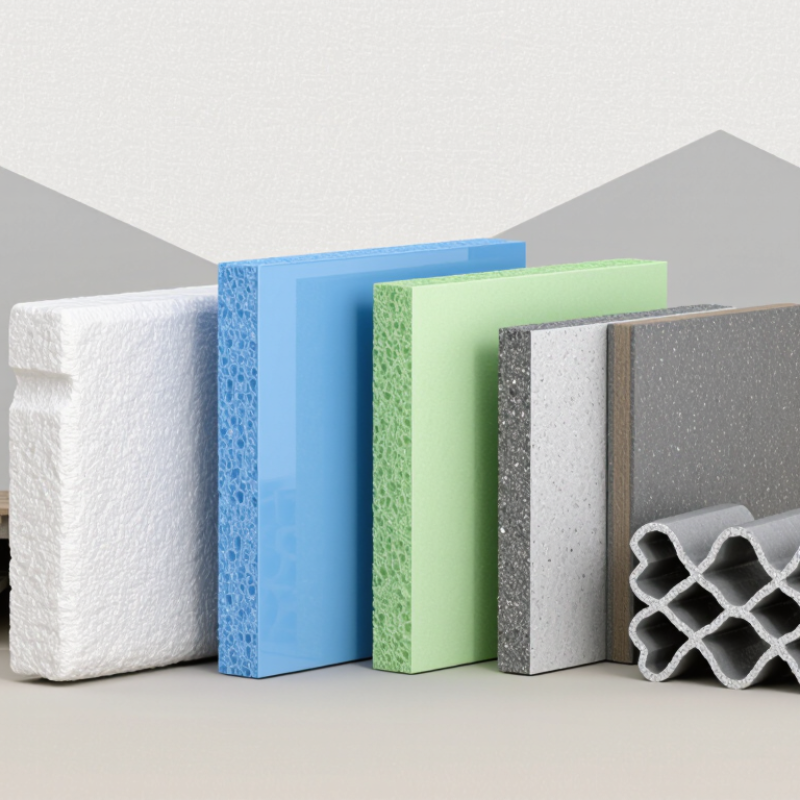
What Polystyrene Insulation Is and How It Works
2026 Top Insulation Polystyrene Types for Global Buyers
What Polystyrene Insulation Is and How It Works
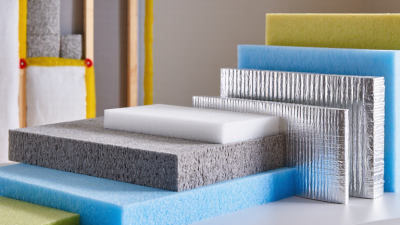
Polystyrene insulation is a lightweight, rigid foam made from petroleum-based polymer beads or granules. The two common forms are expanded polystyrene (EPS) and extruded polystyrene (XPS). EPS contains many bonded beads and visible air pockets. XPS has a more uniform, closed-cell structure. Both materials slow heat movement through trapped gas inside their cells.
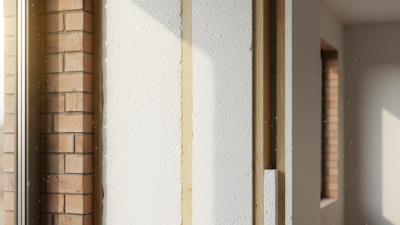
The principle is simple. Heat travels through walls, roofs, and floors by conduction, air movement, and radiation. Polystyrene interrupts these paths. A 50-millimeter board can create a continuous thermal barrier across a masonry wall. Its low density also reduces handling effort on construction sites. I have found that clean cuts and tightly fitted joints matter greatly. Small gaps can become cold bridges.
Moisture performance differs by product and installation quality. XPS generally resists water absorption better, while EPS can offer practical value for many wall and floor systems. Neither type fixes poor drainage or careless detailing. Fire behavior, thickness, compressive strength, and local building requirements need professional review before purchase. This is not a perfect material. It can crack under unsuitable loads, degrade under prolonged ultraviolet exposure, and complicate recycling when bonded to other layers. Global buyers should request verified thermal data, dimensional tolerances, test reports, and clear installation guidance.
Extruded Polystyrene: Performance, Moisture Resistance, and Applications
2026 Top Insulation Polystyrene Types for Global Buyers
Extruded polystyrene (XPS) offers consistent thermal performance in demanding building conditions. Its closed-cell structure limits water absorption and protects insulation value near damp soil. The rigid boards also resist compression under concrete slabs, foundation walls, and heavy roof assemblies. In field work, installers value clean edges and predictable cutting. Yet performance depends on accurate joints. Small gaps can create cold bridges.
XPS suits below-grade walls, basement floors, inverted roofs, parking decks, and cold-storage enclosures. It tolerates repeated moisture exposure better than many porous insulation products. However, it is not waterproofing. Designers still need drainage layers, sealed penetrations, and suitable membranes. Direct sunlight can damage exposed boards over time. Fire performance, thickness, and installation methods must follow local building requirements. Some projects also need careful vapor-control planning.
Tips: Check compressive strength against the actual load, not a general product category. Confirm water absorption data and thermal resistance at the expected temperature. Keep boards covered during storage. Stagger joints between layers. I have seen strong materials underperform because installers left open seams or ignored surface preparation. That mistake is easy to repeat.
2026 Top Insulation Polystyrene Types for Global Buyers
Extruded Polystyrene: Performance, Moisture Resistance, and Applications
XPS boards are commonly selected by compressive-strength class. Typical values range from about 200 kPa for general wall insulation to 700 kPa or more for heavy-duty floors and civil engineering applications. XPS is also valued for its low water absorption, commonly below 0.7% by volume under EN 12087 testing, and typical declared thermal conductivity values of approximately 0.029–0.036 W/m·K, depending on thickness and product formulation. Actual requirements should be verified against local building codes and project conditions.
Comparing Polystyrene Types by Thermal, Structural, and Cost Factors
For global buyers, expanded polystyrene (EPS), extruded polystyrene (XPS), and graphite-enhanced EPS serve different insulation priorities. EPS usually offers the lowest purchase cost and a light, workable structure. Its thermal performance depends strongly on density, thickness, and installation quality. Small gaps around panels can weaken the expected result.
XPS provides more consistent moisture resistance and higher compressive strength. It suits foundation walls, inverted roofs, and floor areas carrying repeated loads. Its closed-cell structure performs well near damp soil, but the material often costs more than standard EPS. Graphite-enhanced EPS can improve thermal resistance without greatly increasing thickness. However, buyers should verify tested values instead of trusting general product claims.
Thermal performance is only one part of the decision. A warehouse roof may favor affordable EPS, while a high-load floor may justify XPS. Engineers should compare conductivity, compressive strength, water absorption, fire classification, thickness, and transport volume together. Cost calculations should include cutting waste, fasteners, labor, and replacement risk. The cheapest board is not always the economical choice.
Field inspections often reveal problems at joints and edges, not within the panels. That detail matters. Local climate, building codes, and installer practice can change the preferred option. The comparison is not perfectly clean. A higher-performing material may still fail when poorly fitted. Reliable purchasing requires current test reports, clear tolerances, and supplier documentation before shipment.
2026 Top Insulation Polystyrene Types for Global Buyers - Comparing Polystyrene Types by Thermal, Structural, and Cost Factors
| Polystyrene Type |
Typical Thermal Conductivity
(λ, W/m·K) |
Typical Density
(kg/m³) |
Compressive Strength
at 10% Deformation (kPa) |
Water Absorption
Trend |
Approx. Thickness for
R = 5 m²·K/W |
Relative Cost Index
(Standard EPS = 100) |
Typical Global Applications |
Standard White EPS
Expanded Polystyrene |
0.035–0.040 |
12–25 |
70–200 |
Moderate; needs moisture control |
175–200 mm |
100 |
External walls, roofs, floors, cavity walls, packaging-related construction systems |
Graphite-Enhanced EPS
Grey EPS |
0.030–0.033 |
15–25 |
100–250 |
Moderate; similar moisture precautions to EPS |
150–165 mm |
115–135 |
Energy-efficient façades where thinner wall build-ups are preferred |
High-Density EPS
Structural-Grade EPS |
0.034–0.038 |
25–40 |
150–400 |
Moderate; protect from prolonged water exposure |
170–190 mm |
120–155 |
Inverted-load considerations, floor insulation, foundations, and insulated concrete systems |
XPS
Extruded Polystyrene |
0.029–0.036 |
28–45 |
200–700 |
Low; closed-cell structure improves moisture resistance |
145–180 mm |
145–190 |
Below-grade walls, foundations, floors, podium decks, cold-store floors, and inverted roofs |
| Perforated or Drainage-Enhanced EPS |
0.035–0.040 |
15–30 |
100–250 |
Designed to improve drainage in selected assemblies |
175–200 mm |
115–145 |
Foundation drainage layers and construction systems requiring water-management detailing |
Fire-Modified EPS
Flame-Retardant EPS Grade |
0.035–0.040 |
15–30 |
100–300 |
Moderate; assembly protection remains necessary |
175–200 mm |
110–140 |
Building-envelope systems where the tested fire performance of the complete assembly is important |
Data basis and buying note: Values are typical indicative ranges for commonly manufactured insulation products and may vary by density, thickness, temperature, test method, facing, and national standard. The thickness estimate uses the simplified relationship R = thickness ÷ λ and excludes thermal bridges, fixings, air films, and moisture effects. Cost indices are comparative purchasing estimates only; actual delivered cost depends on region, energy prices, freight, panel thickness, fire requirements, and project volume. All polystyrene products are combustible and must be evaluated as part of a code-compliant, tested building assembly.
How Global Buyers Can Select, Specify, and Source Polystyrene Insulation
2026 Top Insulation Polystyrene Types for Global Buyers
How Global Buyers Can Select, Specify, and Source Polystyrene Insulation
Selecting polystyrene insulation begins with the building condition, not the product label. Expanded polystyrene, or EPS, suits lightweight walls, floors, and packaging-sensitive projects. Extruded polystyrene, or XPS, offers stronger moisture resistance for foundations and inverted roofs. I have seen projects fail when buyers compared only thermal conductivity. Compression strength, water absorption, thickness tolerance, and surface finish also matter.
Write a clear technical specification before requesting quotations. State the required thermal conductivity, density range, compressive strength, dimensions, edge profile, and fire-performance documentation. Check local building requirements and project climate conditions. A cold warehouse needs different protection from a warm coastal site. Ask suppliers for recent test reports, production photos, samples, and batch records. Confirm whether stated values represent factory testing or independent verification. That detail can change purchasing decisions.
Tips: Compare like with like. Request three samples from different batches. Measure thickness and edge alignment. Review packaging before shipment. It should protect corners from impact and moisture. Confirm pallet dimensions, container loading, lead time, and replacement procedures for damaged goods. Do not accept vague claims such as “high performance.” Require measurable data. An ideal specification is rarely possible. Budget limits, transport space, and local installation skills may force compromises. Document those compromises early, then review them with the designer and installer. Reliable sourcing depends on evidence, communication, and careful checking.

 Skip to main content