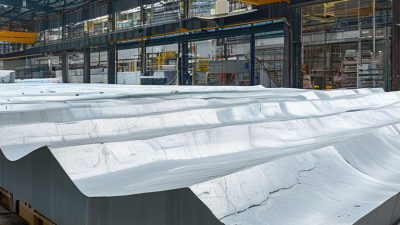
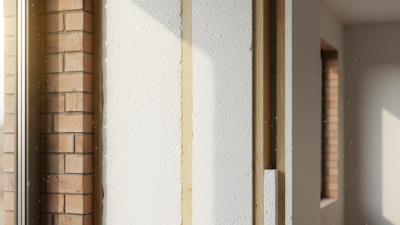
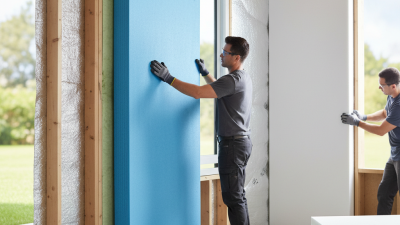
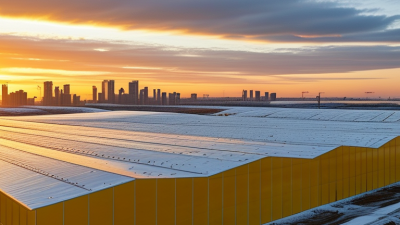
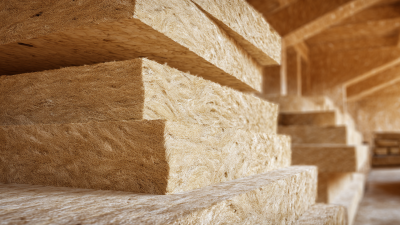
Choosing insulation polystyrene for global projects involves more than comparing price and thickness. It requires climate analysis, fire-safety planning, moisture control, and reliable installation. Expanded polystyrene (EPS) and extruded polystyrene (XPS) offer different performance profiles. EPS is lightweight and widely available. XPS provides stronger moisture resistance in demanding applications. Both can reduce heat transfer when correctly designed.
Building scientist Dr. Joseph Lstiburek once said, “The perfect wall is one that has all control layers on the exterior of the structure.” His principle helps explain why insulation placement matters. In a cold warehouse, continuous exterior insulation can limit thermal bridging around steel framing. On a coastal project, protected boards and sealed joints can help manage wind-driven rain. Small gaps still matter.
Insulation polystyrene is practical, but it is not automatically the best answer. Project teams must check local fire regulations, environmental conditions, embodied carbon targets, and recycling pathways. Product data should come from recognized manufacturers and independent testing. Installation records also deserve attention. A damaged corner, poorly fitted panel, or unsealed penetration can weaken the intended performance.
Global construction is rarely simple. Supply chains change. Standards differ. Sometimes, the cheapest board creates higher costs later. That possibility deserves honest review. Engineers, architects, and contractors should compare whole-life performance instead of relying on thickness alone. When selected carefully, insulation polystyrene can support durable, energy-efficient envelopes across varied climates. Mistakes remain possible. Good design makes them less likely.
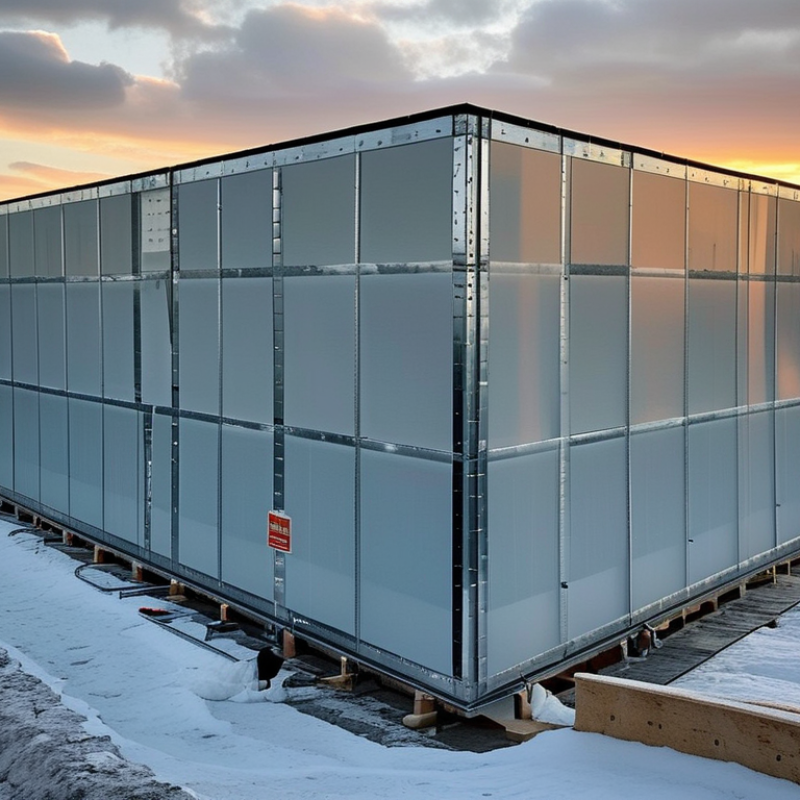
Insulation polystyrene is a rigid plastic foam used to reduce heat transfer through roofs, walls, floors, and foundations. It is made from polystyrene, a polymer shaped into small beads or closed-cell boards. Expanded polystyrene, or EPS, contains fused beads and many tiny air spaces. Extruded polystyrene, or XPS, has a more uniform structure and usually stronger moisture resistance. Both materials slow heat movement by trapping still air. That simple structure explains their light weight and useful thermal performance.
In project work, installers value boards that are easy to cut, carry, and fit around pipes. Correct thickness depends on climate, building design, and local energy requirements. A site inspection should check gaps, compression, water exposure, and joint alignment. Small gaps matter. They can create cold paths and condensation risks. Polystyrene resists moisture better than many fibrous materials, but it is not waterproof in every assembly. It also needs suitable protection from heat, fire, solvents, and physical damage. Fire-rated design and local building codes must guide the specification. I have seen plans focus heavily on insulation values while ignoring installation quality. That is a practical weakness. A slightly lower-rated board, fitted continuously, may perform better than a superior product installed carelessly. Engineers should verify declared thermal values, density, dimensions, and long-term conditions before approval.
| Data Dimension | Expanded Polystyrene (EPS) | Extruded Polystyrene (XPS) | Global Project Relevance |
|---|---|---|---|
| What it is | A lightweight rigid foam made by expanding polystyrene beads and molding them into boards or shapes. | A closed-cell rigid foam produced by continuously extruding polystyrene into boards. | Both materials provide continuous thermal insulation with low weight and easy board installation. |
| Typical thermal conductivity | Approximately 0.031–0.040 W/m·K | Approximately 0.029–0.036 W/m·K | Lower conductivity can help achieve the required thermal resistance with less thickness; declared values vary by product and temperature. |
| Typical density | Approximately 15–30 kg/m³ | Approximately 25–45 kg/m³ | Low density reduces handling effort, structural dead load and transport weight. |
| Moisture resistance | Low water absorption when correctly detailed, but the bead structure can allow more moisture uptake than XPS. | Very low water absorption due to its predominantly closed-cell structure. | XPS is often considered for below-grade, foundation, inverted-roof and other moisture-exposed applications; drainage and waterproofing remain essential. |
| Typical compressive strength | Common grades range from about 70 to 250 kPa at 10% deformation. | Common grades range from about 200 to 700 kPa at 10% deformation. | Select the grade according to soil pressure, floor loads, roof traffic and long-term design requirements. |
| Vapor permeability | Generally more vapor-permeable than XPS, depending on density and board structure. | Generally offers higher vapor resistance because of its closed-cell structure. | Wall, roof and floor assemblies should be checked for condensation risk in the project climate. |
| Dimensional stability | Stable when protected from excessive heat, solvents, prolonged ultraviolet exposure and installation damage. | Good dimensional stability when installed within the product’s temperature and loading limits. | Expansion joints, compatible adhesives and protective layers help maintain long-term performance. |
| Typical applications | External wall insulation, cavity walls, roofs, floors, packaging-related construction protection and lightweight fill systems. | Foundations, basements, floor slabs, inverted roofs, cold-storage areas and high-load insulation systems. | The correct choice depends on climate, moisture exposure, mechanical load, fire strategy and local construction practice. |
| Fire performance | Combustible foam; reaction-to-fire classification varies by product formulation, thickness and facing. | Combustible foam; reaction-to-fire classification varies by product formulation, thickness and facing. | A complete tested wall or roof assembly, protective layers and local fire regulations must be considered. |
| Installation considerations | Boards are lightweight and can be cut with common tools; joints should be tightly fitted and protected. | Boards are easy to cut and install, but compatible adhesives, protection and detailing are required. | Installation methods should follow local standards and the manufacturer’s declared technical data. |
| Environmental considerations | Durable, lightweight and potentially recyclable where collection systems exist; environmental impact depends on raw materials, energy use and end-of-life treatment. | Durable and potentially recyclable where suitable collection systems exist; environmental impact depends on raw materials, energy use and end-of-life treatment. | Evaluate whole-life performance, recycled content, transport distance and regional recycling infrastructure. |
| Best selection principle | Often suitable when low weight, cost efficiency and general thermal insulation are priorities. | Often suitable when high moisture resistance and greater compressive strength are priorities. | Choose by verified thermal, structural, moisture and fire performance rather than by material name alone. |
Note: Values are typical indicative ranges for insulation-grade EPS and XPS products. Actual properties vary by density, thickness, formulation, test method and applicable regional standard; consult the product declaration and project specifications before selection.
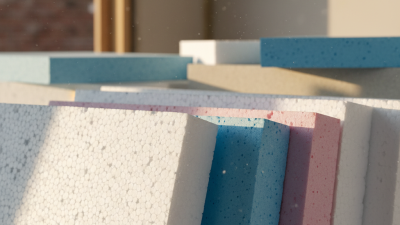
Why Choose Insulation Polystyrene for Global Projects?
Insulation polystyrene helps buildings reduce heat loss and cooling demand. Its lightweight structure makes transport and installation easier across many project locations. In cold regions, it supports warmer interior surfaces during winter. In hot climates, it slows heat entering through walls and roofs. EPS and XPS products can provide different moisture and compressive strength levels. The correct choice depends on climate, loading, and building design. A thick panel alone cannot solve every energy problem. Poor joints may create thermal bridges around windows, corners, and floor edges.
Tips: Check the required thermal resistance before selecting thickness. Seal panel joints carefully. Protect insulation from prolonged moisture and physical damage. Confirm local fire, building, and environmental requirements with qualified professionals. Small gaps matter.
For global projects, consistent installation guidance is as important as material performance. Store panels on a level surface, away from heat sources and strong sunlight. Inspect surfaces before covering them. A damaged edge can reduce contact and create an unwanted air path. Designers should also consider the full wall assembly, including membranes, finishes, and ventilation. Energy savings may be lower than predicted when these details are ignored. That is a limitation worth admitting. Regular site checks and documented measurements make performance claims more dependable.
Why Choose Insulation Polystyrene for Global Projects?
Polystyrene insulation suits international construction because it combines low weight, thermal efficiency, and practical handling. Expanded polystyrene and extruded polystyrene typically provide thermal conductivity values near 0.030–0.040 W/m·K, depending on density and testing conditions. This helps walls, roofs, and foundations reduce heat transfer without adding excessive thickness. The material is also easy to cut on site. That matters when project teams work across different climates and supply chains.
Moisture resistance is another useful property, especially for basements, cold storage areas, and humid coastal sites. XPS generally offers stronger water resistance and compressive performance than standard EPS. However, performance depends on installation quality, joints, protective layers, and long-term loading. It is not flawless. UNEP’s 2023 Global Status Report for Buildings and Construction reported that buildings consumed about 32% of global energy and produced around 34% of global carbon dioxide emissions. Better insulation can support lower operational demand, but designers must verify fire behavior, vapor control, and local compliance. EN 13163, ASTM C578, and equivalent regional standards provide useful testing references.
Tips: Select the grade after checking climate, moisture, compression, and fire requirements. Store boards flat and protected from sunlight. Seal gaps carefully. A small joint can become a large thermal bridge. Avoid assuming one specification fits every country; local testing and experienced installers still matter.
Typical thermal conductivity values show why EPS and XPS are widely used across different climates and building systems.
Lower thermal conductivity means better insulation performance at the same thickness. Typical polystyrene insulation also offers low weight, consistent thermal performance, moisture resistance, and useful compressive strength, making it practical for roofs, walls, floors, foundations, and cold-climate or hot-climate projects. Values shown are representative mid-range figures for commonly specified insulation grades; actual performance depends on density, thickness, temperature, installation quality, and applicable standards.
Polystyrene insulation supports several building applications, from exterior walls to below-grade floors. Expanded polystyrene, or EPS, is lightweight and easy to cut on active construction sites. Crews commonly use it in wall cavities, roof assemblies, insulated panels, and foundation insulation. Extruded polystyrene, or XPS, has a denser structure and stronger moisture resistance. It suits inverted roofs, basement walls, slabs, and cold-storage areas. It is practical.
The application depends on climate, loading, drainage, and fire design. A contractor may install EPS geofoam beneath roads, parking areas, or landscaped roofs, reducing dead loads over weak soil. In residential and commercial walls, continuous polystyrene boards can limit thermal bridging around concrete frames. The International Energy Agency’s Energy Efficiency 2023 report identifies buildings as responsible for about 30% of global final energy use. UNEP’s 2023 Global Status Report for Buildings and Construction reports that buildings produced 37% of energy- and process-related carbon emissions in 2022. Better insulation can reduce operational demand, but results depend on workmanship.
A poorly sealed joint still leaks air. Moisture can also damage an unsuitable assembly. Designers should verify local fire requirements, vapor control, wind exposure, and product performance through recognized standards, such as ASTM C578 or EN 13163. Polystyrene is not a universal answer. Project teams should compare thermal performance, embodied carbon, recycling routes, and service life before specifying it.
Selecting polystyrene insulation for global projects requires more than comparing price and thickness. Climate, building use, fire safety, and installation quality all shape the decision. The IEA’s 2023 Global Status Report identifies buildings as consuming about 30% of global final energy and producing 26% of energy-related emissions in 2022. Effective insulation can reduce heating and cooling demand. Common EPS and XPS products also offer low thermal conductivity, often around 0.030–0.040 W/m·K. However, published values depend on density, moisture, temperature, and testing conditions.
Climate comes first. In humid regions, designers should check water absorption, drainage, and vapor movement. XPS may suit below-grade applications, while EPS can provide efficient wall and roof insulation when properly protected. Fire performance must follow local codes and the complete wall assembly, not one material label.
The UNEP 2023 Global Status Report records that buildings and construction accounted for 34% of global energy demand and 37% of energy-related carbon emissions in 2022. Therefore, embodied carbon, transport distance, and service life deserve review alongside operational savings.
Installation details often decide real performance. Boards need tight joints, staggered layers, protected edges, and compatible adhesives. Gaps around windows can become cold bridges. On-site cutting also creates waste, which project teams sometimes underestimate. A tidy drawing can still fail in wind, rain, or rushed installation. That is the uncomfortable part. Teams should verify local standards, fire testing, moisture exposure, and installer competence before ordering materials. Data guides selection, but site conditions test it.
Scan QR code to download the app
LSP Products was founded by plumbers over 50 years ago with a focus on unparalleled innovation, superior product quality, and best-in-class service to the plumbing industry. Our primary focus is the new construction market where we develop products that make installations easy and provide significant cost savings to the plumbing/mechanical contractor. LSP has a manufacturing facility located in Monterrey, Mexico and a distribution center in Dallas, Texas. We are proud to offer many products designed and made in North America… About LSP
Submit the form below to receive the document via email.