The Ultimate Guide to Choosing Polyolefin Insulation for Maximum Energy Efficiency
In the quest for maximum energy efficiency in building design, the selection of insulation materials plays a critical role. Among various insulation options, polyolefin insulation has emerged as a leading choice due to its excellent thermal performance and sustainability. According to a 2022 report by the International Energy Agency, buildings account for approximately 30% of global energy consumption, highlighting the necessity for superior insulation solutions to reduce energy loss.
Polyolefin insulation, known for its low thermal conductivity and moisture resistance, is increasingly favored in both commercial and residential applications, leading to energy savings of up to 25% when properly integrated. This guide aims to explore the key considerations in choosing polyolefin insulation, ensuring that consumers can maximize energy efficiency and contribute to a more sustainable environment.
How to Understand the Benefits of Polyolefin Insulation in Energy Efficiency
Polyolefin insulation has gained immense popularity in the realm of energy efficiency due to its unique properties and versatile applications. This type of insulation is primarily composed of polyolefin materials, which include polyethylene and polypropylene. One of the key benefits is its excellent thermal resistance, which helps to significantly reduce heat transfer in buildings. This characteristic not only keeps indoor environments comfortable but also lowers energy consumption, leading to reduced utility bills. As such, polyolefin insulation is particularly beneficial in both residential and commercial applications where energy efficiency is a priority.
In addition to thermal resistance, polyolefin insulation boasts features such as moisture resistance and lightweight structure. These properties protect against mold growth and water damage, ensuring the longevity of the insulation material and overall building integrity. Moreover, its lightweight nature makes installation easier and faster, potentially resulting in lower labor costs. Understanding these benefits highlights the importance of choosing polyolefin insulation for achieving maximum energy efficiency while also contributing to sustainable building practices. As energy costs continue to rise, investing in this advanced insulation material becomes a strategic decision that yields significant long-term savings and environmental benefits.
The Ultimate Guide to Choosing Polyolefin Insulation for Maximum Energy Efficiency
| Property |
Value |
Benefit |
| Thermal Conductivity |
0.020 - 0.024 W/m·K |
Reduces heat loss, enhancing energy efficiency |
| Moisture Resistance |
High |
Prevents mold and mildew, prolongs insulation lifespan |
| Temperature Range |
-50°C to 100°C |
Suitable for a wide range of applications |
| Weight |
Lightweight |
Easier installation and reduced structural load |
| Chemical Resistance |
Excellent |
Durable in various environments, lowers maintenance costs |
| Fire Rating |
Class 1 |
Enhances safety by reducing fire risk |
| Environmentally Friendly |
Yes |
Recyclable material, reduces carbon footprint |
How to Evaluate Different Types of Polyolefin Insulation Materials
When evaluating different types of polyolefin insulation materials, it is essential to consider their dielectric and insulating properties. Recent research highlights the performance of newly synthesized terpolymers that combine ethylene, 1-hexene, and 4-vinylcyclohexene, showcasing promising mechanical properties and a high dielectric constant. These attributes can significantly impact energy efficiency in high-voltage applications, making the understanding of these properties critical for selecting the right insulation material for specific uses.
Furthermore, comparative analyses of insulation materials can provide insights into their effectiveness in various environments. For instance, polyolefin insulations have been the focus of studies that assess their applicability in high-voltage DC components. Understanding the thermal conductivity and moisture sorption characteristics of these materials is vital for maximizing energy efficiency. This evaluation is particularly pertinent when considering applications in buildings and energy transmission systems, where optimal insulation performance directly correlates with energy savings and sustainability.
How to Choose the Right Thickness and Density for Your Project
When selecting polyolefin insulation for your project, the key factors to consider are thickness and density.
The thickness of the insulation material directly impacts its thermal resistance, known as R-value.
A thicker insulation layer generally provides better thermal performance, which can lead to significant energy savings over time.
However, it's essential to balance thickness with the available installation space, as excessive thickness may not always be feasible, particularly in retrofits or projects with spatial constraints.
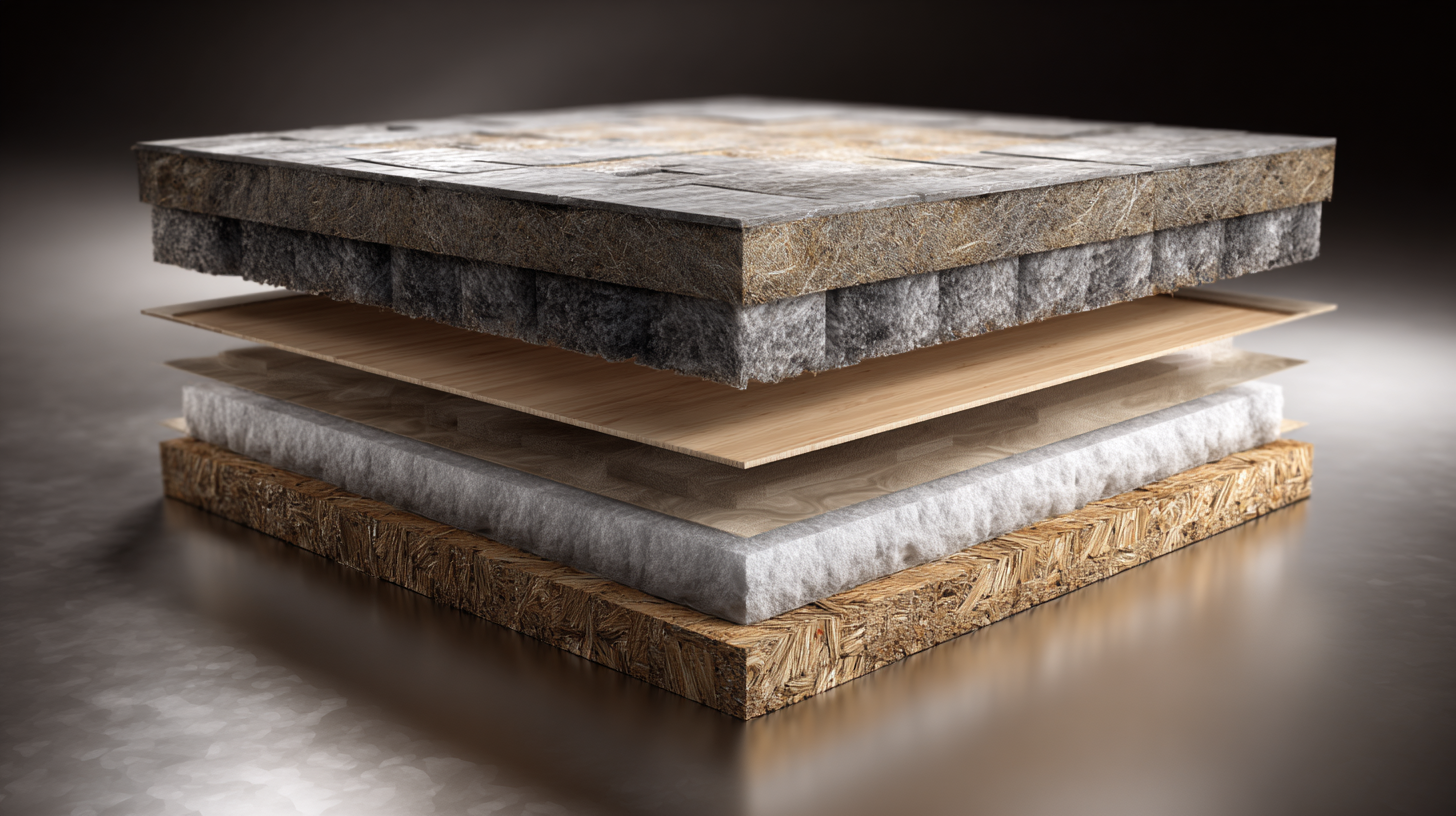
Density is another crucial consideration in determining the effectiveness of polyolefin insulation.
Higher density materials usually offer better sound absorption and durability,
making them suitable for applications where noise reduction is a priority.
Additionally, denser insulation materials may have improved resistance to moisture, which can enhance their longevity and performance in various environmental conditions.
When choosing the right density, assess the specific needs of your project and consider how the insulation will interact with other building materials and systems
to ensure optimal energy efficiency.
How to Assess Environmental Impact and Sustainability of Polyolefin Insulation
When considering the environmental impact and sustainability of polyolefin insulation, it's essential to evaluate the materials used in its production. Polyolefin, primarily derived from petrochemical resources, can pose challenges regarding carbon emissions during manufacture. However, advancements in recycling methods and biopolymer technology have led to more eco-friendly alternatives. Manufacturers increasingly focus on using recycled content, which not only reduces waste but also lessens the overall carbon footprint associated with the extraction and processing of virgin materials.
Additionally, examining the lifecycle of polyolefin insulation is crucial for a comprehensive sustainability assessment. This includes evaluating the energy consumption during installation, the potential for recyclability at the end of its life, and the environmental impact of any chemicals used in its production. Certifications such as LEED and GreenGuard can provide guidance on selecting insulation that meets stringent environmental criteria. By prioritizing products that adhere to these standards, consumers can make informed decisions that not only enhance energy efficiency but also contribute positively to sustainable building practices.
The Ultimate Guide to Choosing Polyolefin Insulation for Maximum Energy Efficiency
How to Properly Install Polyolefin Insulation for Optimal Performance
When it comes to installing polyolefin insulation, proper execution is crucial for optimal energy efficiency. According to the U.S. Department of Energy, buildings with recommended insulation levels can save up to 20% in energy costs annually. For polyolefin insulation, ensuring a tight seal around edges and seams is vital to minimize air leaks, which can significantly reduce its thermal performance. A study published by the International Journal of Energy Research suggests that air infiltration can undermine insulation effectiveness by up to 30%, emphasizing the need for meticulous installation.
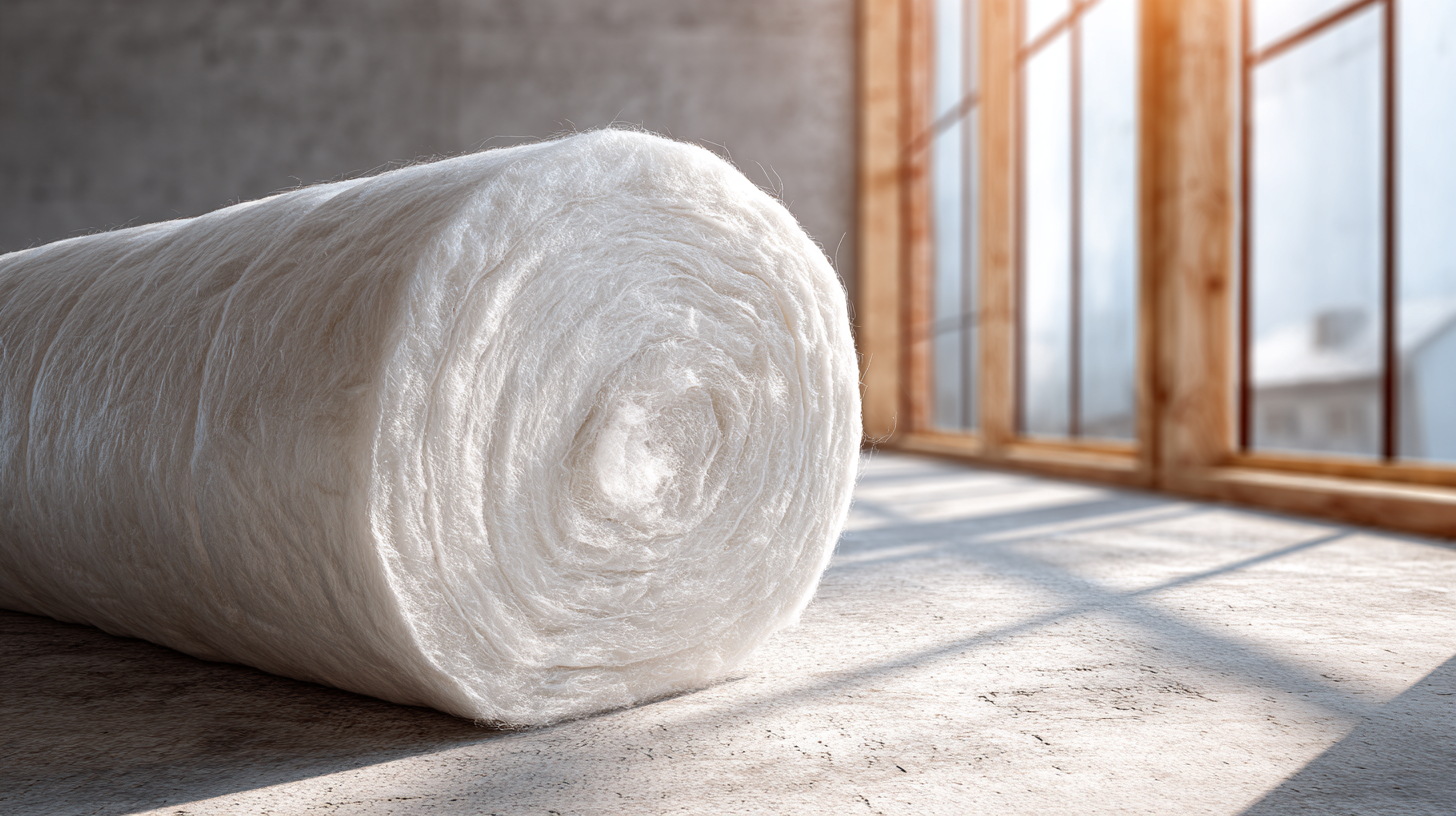
Additionally, the installation method plays a critical role in achieving peak insulation performance. It is advisable to use a vapor barrier in areas prone to high humidity, as this helps prevent moisture accumulation that can degrade insulation's effectiveness over time. The Building Science Corporation highlights that using polyolefin in conjunction with a proper venting system can enhance the overall performance of the insulation, facilitating moisture control and contributing to a healthier indoor environment. Thus, following best practices in installation not only maximizes energy savings but also extends the longevity of the insulation.



 Skip to main content