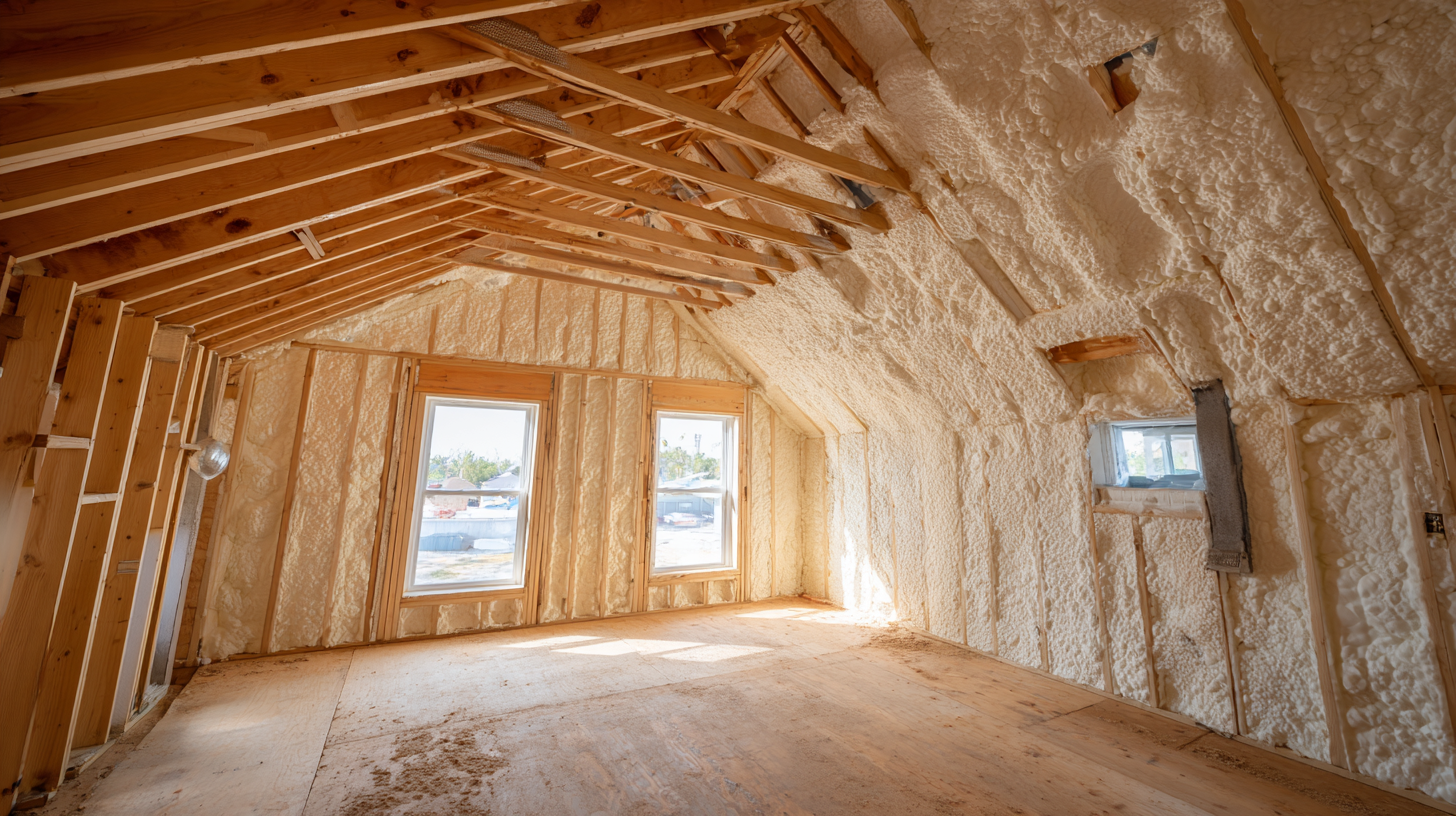
Understanding the True Cost of Spray Foam Insulation: A Comprehensive Breakdown for Homeowners

As homeowners seek efficient and effective solutions for energy efficiency and thermal comfort, spray foam insulation has emerged as a popular choice in recent years. However, understanding the true cost of spray foam insulation cost is crucial, as it can significantly impact long-term financial decisions regarding home improvements. According to a report from the Department of Energy, well-installed spray foam insulation can reduce heating and cooling costs by 30% or more, making it a worthy investment for many. However, initial installation costs can vary widely, ranging from $1 to $3 per board foot, depending on factors such as location and material quality. Additionally, industry analysis from the U.S. Census Bureau suggests that while upfront expenses may seem high, the return on investment in terms of energy savings and increased home value often justifies the expense. This comprehensive breakdown will guide homeowners through the maze of spray foam insulation costs, ensuring informed choices that align with both their financial goals and environmental considerations.
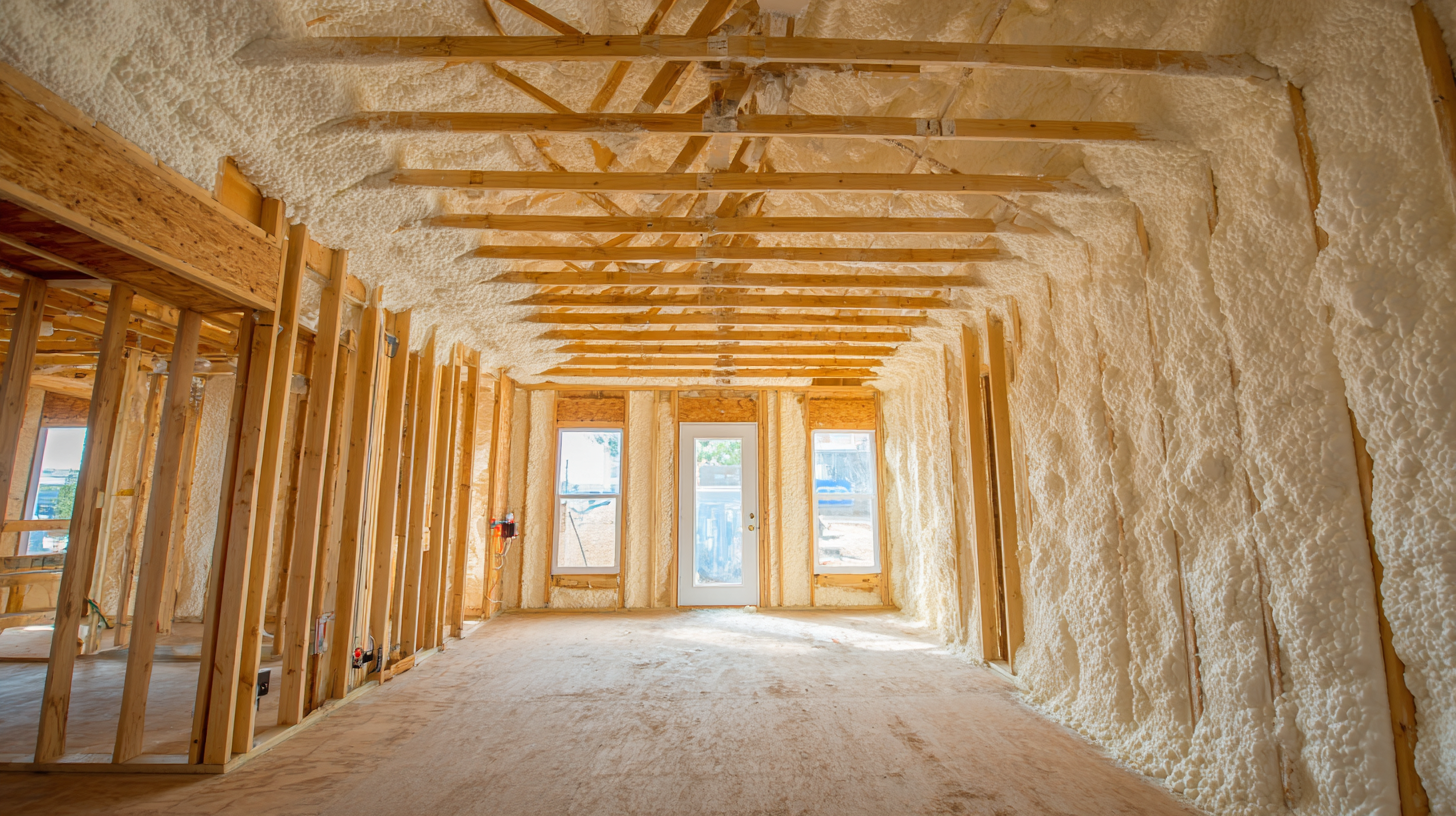
Understanding the True Cost of Spray Foam Insulation: A Comprehensive Breakdown for Homeowners

Understanding the Materials: Types of Spray Foam Insulation and Their Impacts on Cost

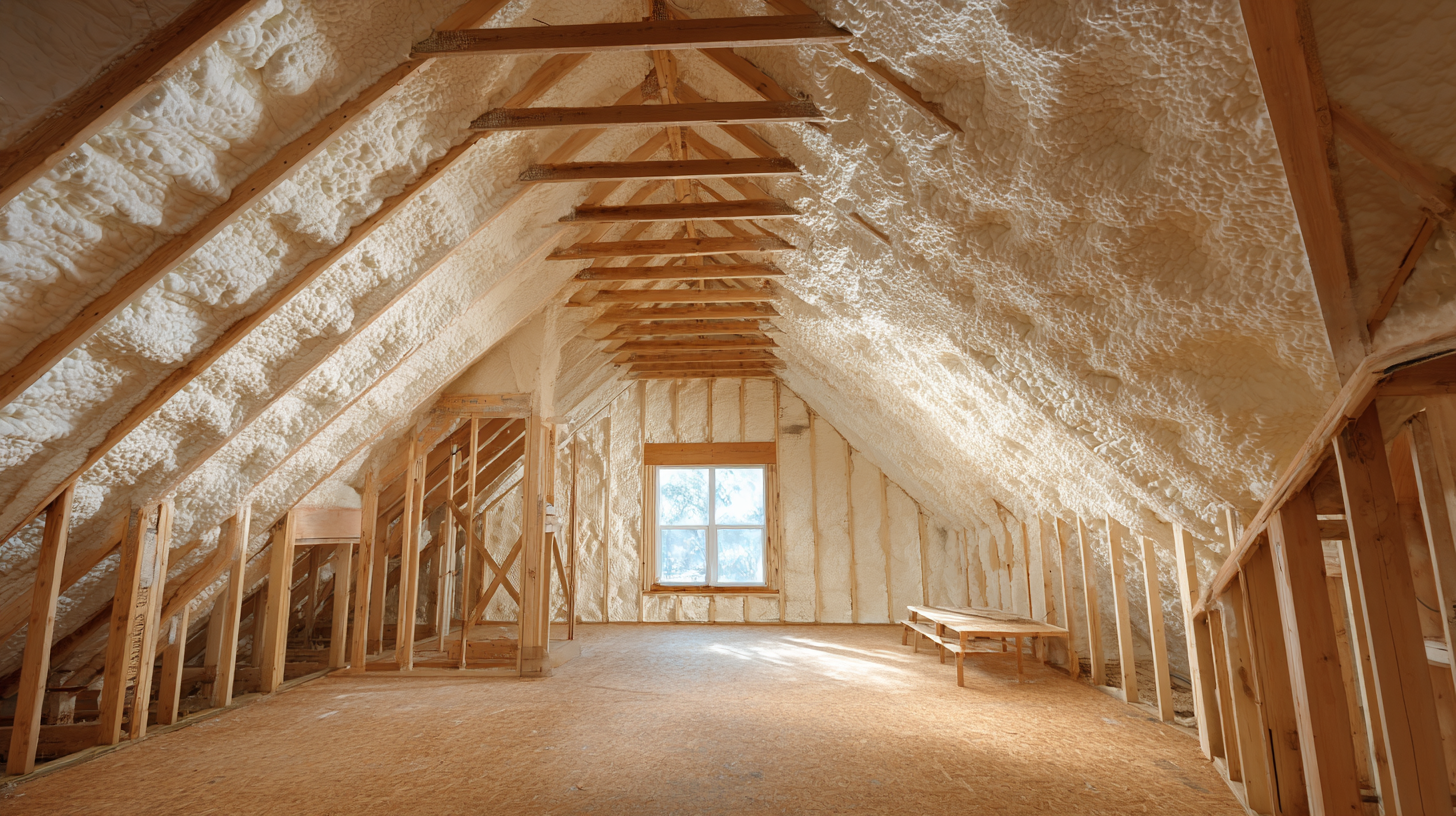
Spray foam insulation is categorized into two primary types: open-cell and closed-cell foam. Open-cell spray foam is less dense and more flexible, making it an excellent choice for interior spaces where sound absorption is desired. Its lower cost per board foot can be attractive for homeowners looking for budget-friendly options. However, it is less effective in preventing moisture intrusion and may not provide the same R-value per inch as its closed-cell counterpart.

On the other hand, closed-cell spray foam is denser and more rigid, offering superior insulation properties and a higher R-value. This type functions effectively as a moisture barrier, making it ideal for basements and other areas prone to dampness. Despite its higher initial cost, homeowners often find that the long-term energy savings and additional structural benefits justify the investment. Understanding these material differences is crucial, as they significantly impact both the upfront costs and the overall effectiveness of the insulation system in a home.

Calculating Installation Costs: Labor, Materials, and Regional Price Variations

When homeowners contemplate spray foam insulation, understanding the installation costs is paramount. Key components such as labor, materials, and regional price variations can drastically influence the final expenditure. According to industry reports, the average cost of spray foam insulation can range from $0.50 to $2.50 per board foot, directly affected by local labor rates and material availability. For instance, urban areas may incur higher labor costs due to demand, while rural regions might benefit from lower prices.

Understanding the True Cost of Spray Foam Insulation: A Comprehensive Breakdown for Homeowners

Additional costs can stem from various factors, including the size of the project and the type of spray foam used. Closed-cell foam, which offers better insulation, typically costs more than open-cell varieties. Furthermore, as with other construction-related expenses, trends in oil prices and regional economic conditions play a crucial role in determining overall material costs, highlighting the need for homeowners to consider regional economic activity and fluctuations as they plan for insulation projects. Reports indicate that construction costs can vary significantly, from $350 to $450 per square foot in prominent markets, underscoring the importance of a comprehensive cost analysis tailored to specific locations and circumstances.

Evaluating Long-term Savings: Energy Efficiency Benefits of Spray Foam Insulation

Spray foam insulation has emerged as a significant player in the quest for energy efficiency in residential properties. According to the U.S. Department of Energy, homes that incorporate spray foam insulation can see energy savings of up to 50% on heating and cooling costs. This technology forms an airtight barrier that minimizes air leakage, thus reducing energy consumption and utility bills significantly over time. As homeowners face rising energy costs, the adoption of spray foam insulation becomes increasingly attractive.

The recent expansion of spray foam services into new markets underscores the growing recognition of its cost-saving benefits. As various companies enhance their service offerings, potential homeowners are being encouraged to evaluate their insulation options more critically. Studies show that upgrading to spray foam insulation can not only lead to immediate energy savings but also increase property values in the long run. The National Association of Home Builders indicates that homes equipped with high-efficiency insulation can see an increased resale value, making this investment worthwhile for those looking to enhance their home’s energy performance.

Understanding the True Cost of Spray Foam Insulation: A Comprehensive Breakdown for Homeowners

Potential Health Risks and Considerations: Balancing Cost and Safety in Home Insulation

When considering spray foam insulation, homeowners must carefully weigh the potential health risks against the benefits of energy efficiency. Spray foam contains chemicals that can emit volatile organic compounds (VOCs) during installation and curing. These emissions can pose various health concerns, including respiratory issues, headaches, and long-term exposure effects. Therefore, it’s crucial for homeowners to ensure proper ventilation during and after installation to mitigate these risks.

In addition to the VOCs, the application of spray foam insulation requires professional expertise to ensure that it is installed safely and effectively. Homeowners should prioritize hiring licensed professionals who understand the safety protocols and can handle the materials correctly. This adds to the overall cost; however, the investment in proper installation can reduce future health risks and enhance the performance of the insulation. Balancing the upfront financial commitment with potential long-term health considerations is essential for anyone looking to install spray foam insulation in their home.

Understanding the True Cost of Spray Foam Insulation

This chart illustrates the various costs associated with spray foam insulation, including material expenses, labor costs, health and safety monitoring, and long-term savings. Homeowners can use this information to balance cost and safety when considering insulation options for their homes.

Comparing Alternatives: Cost-Effectiveness of Spray Foam vs. Traditional Insulation Solutions

When homeowners consider insulation options, the cost-effectiveness of spray foam insulation compared to traditional solutions, such as fiberglass or cellulose, becomes a critical factor. While spray foam insulation has a higher initial cost, its superior air sealant properties can lead to significant savings on energy bills over time. This type of insulation expands on application, effectively filling gaps and cracks that traditional materials often miss, which enhances thermal performance and reduces heating and cooling expenses.

On the other hand, traditional insulation methods generally have lower upfront costs, making them more accessible for budget-conscious homeowners. However, they may require more frequent maintenance and replacements, as they can settle, compress, or lose effectiveness over time. Analyzing the long-term benefits against the initial investment allows homeowners to make informed decisions that align with their financial goals and comfort needs. In many cases, the value of improved energy efficiency and reduced utility costs with spray foam insulation can outweigh its higher initial price, making it a compelling option for thorough insulation.

LSP App

Download the LSP App now

Scan QR code to download the app

We use cookies to personalize content, utilize website traffic analytics & support our marketing initiatives. By continuing to browse our site you consent to receive our cookies. For more information see our Privacy Statement
Ok