Choosing reliable Pvc Shoe Mould manufacturers requires more than comparing prices and product photos. Global buyers need suppliers that understand footwear production, export coordination, material behavior, and consistent mould performance. A strong manufacturer should explain its design process clearly, from 3D file review to CNC machining, trial sampling, and final inspection.
Experience becomes visible in practical details. Accurate mould dimensions help maintain stable shoe sizes across production batches. Suitable steel or aluminum selection affects durability, weight, and machining costs. Cooling channels, venting, surface finishing, and parting lines also influence mould quality. These details may seem small. They are not.
This guide introduces leading Pvc Shoe Mould manufacturers serving international buyers. It considers technical capability, factory equipment, quality control, communication, customization, packaging, and delivery reliability. Buyers should also examine sample approval procedures, replacement policies, and previous export experience. A polished website is not enough. Factory evidence matters more.
No supplier is perfect. Even experienced manufacturers may face delays when designs change late or samples require repeated adjustment. That risk deserves honest discussion, not exaggerated promises. Reliable companies usually provide measurable specifications, inspection records, realistic lead times, and responsive technical support. They also help buyers identify problems before mass production begins.
The following overview is designed to support careful supplier comparison. It does not treat low pricing as automatic value. Instead, it examines how each manufacturer balances precision, service, production capacity, and long-term dependability. For global footwear brands, the best choice is often the partner that communicates clearly and solves difficult mould problems before they become expensive production issues.
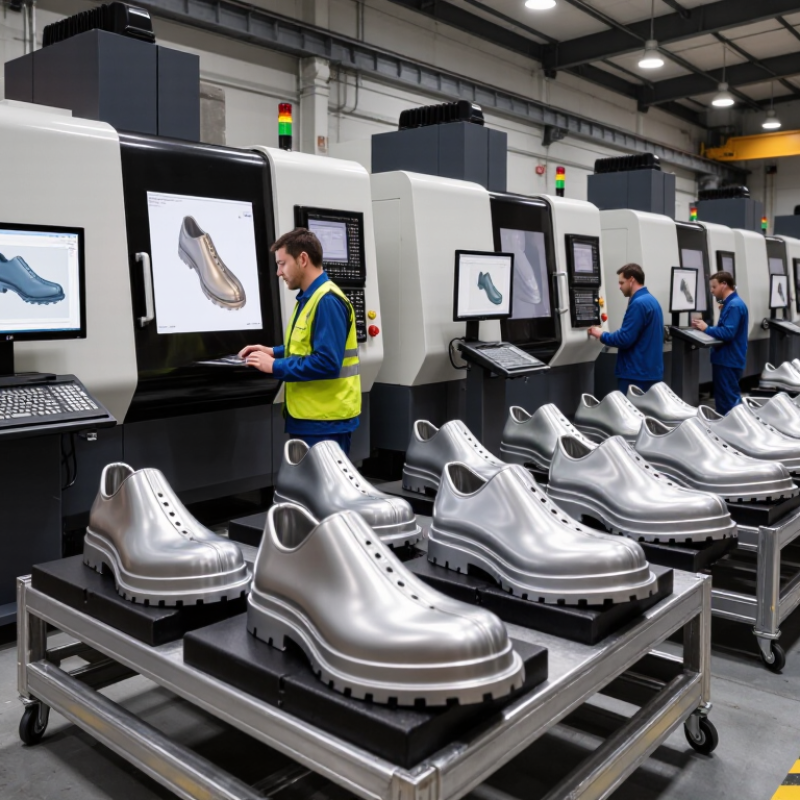
PVC shoe moulds shape soles, uppers, heels, and lightweight sandals through injection or compression processes. Each mould type serves a different production goal. Single-cavity moulds suit samples and small orders, while multi-cavity moulds improve output for established lines. Rotational designs can reduce material stress, but they may require longer cycle times.
In practical production, mould steel, surface finish, and cooling channels directly affect shoe quality. A polished cavity can create cleaner sole textures and simplify release. Balanced cooling helps prevent warping around the heel and toe. Venting is equally important. Poor venting may leave burn marks, trapped air, or incomplete details. Small defects become expensive when thousands of pairs are produced.
Reliable manufacturers should control dimensional tolerances, hardness, machining accuracy, and repeated cycle performance. They should also document material specifications, inspection results, and maintenance procedures. PVC compounds need consistent flow, color stability, and safe handling during processing. Buyers should request trial samples before approving mass production. A sample may look excellent, yet fail after repeated heating and cooling. That lesson is easy to miss.
Manufacturing should follow recognized quality systems and applicable product safety requirements in the target market. Clear drawings, revision records, and traceable inspections reduce misunderstandings between overseas buyers and mould makers. No mould is perfect. Even experienced teams may need to adjust gates, cooling paths, or texture depth after testing. That is normal engineering, not necessarily poor workmanship.
Choosing a PVC shoe mould manufacturer requires more than comparing prices. Examine their experience with your shoe structure, sole pattern, and expected production volume. Ask for recent mould samples, cavity details, steel specifications, and tolerance records. A reliable manufacturer should explain how they control shrinkage, cooling, venting, and surface finish.
Request a trial mould or production sample before approving full tooling. Inspect the edges, logo depth, tread definition, and consistency across repeated shots. Ask how they document inspections and correct defects. Clear drawings, measurable standards, and realistic delivery dates show professional control. Compliance documents for materials and workplace practices also support safer global purchasing. A polished sample can still hide weak process control.
Tips: Visit the workshop through a live video call if travel is difficult. Watch how technicians measure cavities and store mould components. Ask who handles revisions after testing. Confirm packaging, spare parts, maintenance guidance, and response times in writing. Do not trust unusually low quotations without checking steel grade and machining hours. I have learned that communication quality often predicts project quality, although it is not a perfect test. Leave room for a second trial; first samples sometimes reveal problems that drawings miss.
Leading regions differ in equipment, tooling experience, and production flexibility. China remains a major sourcing hub for PVC shoe moulds, with strong CNC machining, 3D scanning, and high-volume production. Many factories can develop soles, sandals, boots, and textured uppers from digital drawings or physical samples. Their capabilities often include aluminum prototypes, steel moulds, surface engraving, and trial injection testing.
Italy is known for refined mould design and careful attention to footwear shape. Manufacturers there often support complex textures, sharp edges, and premium finishing requirements. Their teams usually work closely with designers during sampling. This reduces visual errors, but production costs may rise.
Vietnam has expanded its moulding infrastructure alongside footwear manufacturing. Local suppliers often provide practical communication, short-distance sampling, and steady support for regional production.
India and Turkey also offer useful options for buyers seeking competitive pricing and flexible order quantities. Their strengths can include custom repairs, small-batch tooling, and mould adjustments after factory trials. However, capability claims need verification. No factory is perfect. A polished sample can still hide uneven cooling, weak parting lines, or difficult demoulding. Buyers should request tolerance records, material specifications, inspection photos, and a documented trial report. Checking repeated samples is wiser than trusting one successful test. PVC flow can expose small design mistakes quickly. Careful suppliers discuss those problems openly.
Top PVC Shoe Mould Manufacturers for Global Buyers
Reliable PVC shoe mould manufacturers treat quality control as a daily production practice. In factory audits, buyers should inspect steel grades, machining records, and trial mould results. Skilled teams measure cavity dimensions with calibrated tools before shipment. They also check cooling channels, locking surfaces, and injection balance. Small errors can create visible sole lines or uneven textures.
Customization begins with accurate product information. Provide drawings, sample shoes, material details, and expected production volume. Experienced engineers can adjust wall thickness, draft angles, vent positions, and texture depth. Computer-aided design and CNC machining improve repeatability. Electrical discharge machining can refine fine patterns. Some factories use 3D scanning to compare trial parts with approved samples. It saves time, but it does not replace human judgment.
Production technology should match the project, not simply appear advanced. A multi-cavity mould may increase output, yet it can raise balancing and maintenance demands. Prototype moulds support testing, although their surface life may be limited. No process is flawless. A checklist can miss a problem hidden under polished steel. Buyers should request dimensional reports, sample approval records, maintenance guidance, and clear correction procedures. Regular communication during trials often prevents expensive changes after mass production begins.
Top PVC Shoe Mould Manufacturers for Global Buyers
Global buyers should assess PVC shoe mould manufacturers through evidence, not polished catalogues. Experienced suppliers can explain cavity design, steel selection, cooling channels, and expected mould life in practical terms. Request a sample mould, dimensional report, and trial photos before approving production. A reliable manufacturer should also describe tolerance control and repair procedures clearly.
Pricing needs careful comparison. A quotation may separate mould tooling, sampling, revisions, packaging, and freight. Ask whether the price includes polishing, testing, and one correction cycle. Very low pricing often reflects softer steel, limited testing, or unclear after-sales support. However, high pricing is not automatic proof of quality. I have seen expensive proposals with vague delivery terms. That deserves a second review.
Compliance depends on the destination market and the complete footwear product. Ask for material declarations, restricted-substance information, and applicable test reports for PVC compounds, pigments, and related components. Requirements may involve chemical limits, product safety, labelling, and import documentation. Confirm whether documents come from an independent laboratory and whether they match the actual production material. Supplier selection should also cover payment protection, lead time, export experience, and communication speed. A factory that answers technical questions with specific drawings is usually easier to manage. Still, written promises can fail. Use a signed specification, staged approval, and a pre-shipment inspection. Keep a small contingency budget for design changes, because first moulds are rarely perfect.
| Evaluation Dimension | Data Point | Typical Market Reference | Buyer Verification Method | Selection Guidance |
|---|---|---|---|---|
| Mould Application | PVC footwear production process | Common processes include injection moulding, compression moulding, and rotational or slush moulding, depending on the shoe construction. | Confirm machine type, injection method, clamping arrangement, and compatible PVC compound with the supplier. | Choose a mould design specifically matched to the production machine rather than selecting only by shoe style. |
| Mould Material | Tool steel or aluminium construction | Aluminium is often selected for lower-cost prototypes and shorter runs; hardened or pre-hardened steel is generally preferred for higher production volumes and longer tool life. | Request the material grade, hardness report, heat-treatment record, and certificate of material conformity. | Use steel for repeated commercial production where durability, dimensional stability, and repairability are priorities. |
| Indicative Tooling Price | PVC shoe mould cost | Approximately US$800–US$3,500 for many standard single-style tools; complex multi-colour, multi-cavity, or highly detailed tools can exceed this range. | Compare quotations using the same shoe size range, cavity count, material grade, surface finish, and included services. | Treat unusually low quotations as a reason to check steel grade, tolerances, cooling design, and after-sales support. |
| Prototype and Sampling | First sample lead time | A typical first-tool sampling cycle is about 15–35 calendar days after approved drawings, with longer timelines for complex tooling or multiple sizes. | Obtain a written schedule covering design approval, machining, trial moulding, sample submission, and revisions. | Select suppliers that provide a documented trial report and controlled revision process. |
| Production Capacity | Cavity and size configuration | Single-cavity, double-cavity, and multi-size mould arrangements are common. Capacity depends on machine tonnage, cycle time, cooling, and product geometry. | Ask for cycle-time data, machine compatibility, estimated output per shift, and cavity-balancing test results. | Prioritise stable filling and consistent weight over the highest nominal cavity count. |
| Dimensional Accuracy | Last, outsole, and upper-fit control | Commercial footwear tooling commonly requires dimensional control in the millimetre range, with final tolerances defined by the approved technical drawing and product function. | Require a 2D drawing, 3D file, measurement report, and approved master sample before mass production. | Do not accept undefined terms such as “high precision”; specify measurable tolerances in the purchase order. |
| Surface Finish | Texture, gloss, logo, and decorative details | CNC machining, polishing, etching, laser texturing, and EDM can be combined to produce smooth, matte, leather-like, or patterned surfaces. | Approve physical texture samples or a signed surface-finish specification before machining. | Use a controlled texture reference because photographs alone may not accurately represent surface depth or gloss. |
| PVC Material Compatibility | Rigid, flexible, transparent, or foamed PVC | PVC formulations vary by plasticiser, stabiliser, filler, pigment, hardness, and foaming system; these variables affect shrinkage, flow, release, and surface appearance. | Provide the compound technical data sheet and request mould-flow or trial results using the actual production material. | Avoid approving a mould solely from a trial using a different PVC formulation. |
| Cooling and Venting | Temperature consistency and air evacuation | Balanced cooling channels and effective venting help reduce warpage, air traps, burn marks, incomplete filling, and cycle-time variation. | Request cooling-layout drawings, pressure-test evidence, and trial records showing weight and dimensional consistency. | Give priority to suppliers that can explain the thermal design rather than offering only cosmetic samples. |
| Compliance Documentation | Chemical and market-access requirements | For EU-bound footwear, buyers commonly review REACH restrictions, including limits affecting certain phthalates in plasticised materials, as well as applicable labelling and product-safety obligations. | Request current laboratory reports for the finished footwear or PVC compound; mould documentation alone does not prove product compliance. | Define the destination market first and use accredited or technically competent laboratories where required. |
| Quality Management | Production controls and traceability | A documented quality system should control incoming materials, CNC programs, heat treatment, inspection, trial moulding, corrections, and final release. | Review quality certificates, inspection plans, non-conformance records, and sample measurement reports. | Certification is useful, but process evidence and consistent inspection records are more important than a certificate alone. |
| Supplier Engineering Capability | Design-for-manufacture support | Strong suppliers can review draft angles, parting lines, shrinkage allowances, gates, vents, ejection, and areas susceptible to deformation before tool fabrication. | Use a technical questionnaire and request marked-up drawings showing proposed design changes. | Select engineering-led suppliers when the design is new, highly textured, multi-colour, or dimensionally demanding. |
| Maintenance and Tool Life | Serviceability and expected usage | Tool life varies substantially with material hardness, PVC formulation, cycle conditions, cleaning practice, abrasion, and maintenance; a universal cycle guarantee is not technically reliable. | Request a maintenance schedule, spare-part list, repair terms, recommended cleaning method, and documented warranty scope. | Compare total cost of ownership, including repairs and downtime, rather than comparing purchase price alone. |
| Commercial Terms | Payment, ownership, and revision policy | Common arrangements include staged payments linked to design approval, first trial, and final acceptance. Ownership of drawings, CNC files, and moulds should be stated explicitly. | Check the quotation, purchase order, intellectual-property clause, revision limits, warranty period, and export-packing terms. | Use a written acceptance standard with defined correction responsibilities and measurable approval criteria. |
| Logistics | Packaging, shipping, and import planning | Moulds are heavy precision goods and normally require corrosion protection, shock-resistant packing, lifting guidance, commercial invoices, and accurate customs classification. | Confirm gross weight, dimensions, Incoterms, insurance responsibility, export documents, and delivery inspection procedure. | Include freight, duties, inspection, installation, and possible modification costs in the landed-cost comparison. |
| Recommended Supplier Score | Weighted evaluation model | A practical scoring model can assign 25% to technical capability, 20% to quality control, 15% to tooling cost, 15% to lead time, 10% to compliance support, 10% to service, and 5% to logistics. | Score every shortlisted supplier against identical criteria and retain evidence for each rating. | Use the highest total score only after disqualifying suppliers that fail essential safety, quality, ownership, or delivery requirements. |
Note: Price and lead-time figures are indicative planning references for international buyers. Actual results vary according to mould size, cavity count, shoe-last complexity, material, surface treatment, machine compatibility, order volume, inspection requirements, and destination-market regulations.
Scan QR code to download the app
LSP Products was founded by plumbers over 50 years ago with a focus on unparalleled innovation, superior product quality, and best-in-class service to the plumbing industry. Our primary focus is the new construction market where we develop products that make installations easy and provide significant cost savings to the plumbing/mechanical contractor. LSP has a manufacturing facility located in Monterrey, Mexico and a distribution center in Dallas, Texas. We are proud to offer many products designed and made in North America… About LSP
Submit the form below to receive the document via email.