Choosing among China’s noise insulation foam suppliers requires more than comparing density, price, or product photos. Buyers need to know what the foam is designed to do: absorb sound inside a space, reduce transmitted noise, or support a larger acoustic assembly. Those outcomes are not interchangeable.
The European Environment Agency’s Environmental Noise in Europe 2020 report estimated that at least 113 million people in Europe were exposed to road traffic noise levels of 55 dB Lden or higher. This figure is not a measure of foam demand. It does show why noise control matters in homes, factories, and commercial buildings. Sound expert Julian Treasure has warned, “We are losing our listening.” The line is broader than insulation, but it captures what constant background noise can take away.
For procurement teams, the practical questions are specific: What test method supports the supplier’s acoustic claims? Are thickness, density, and installation conditions clearly documented? Can the manufacturer provide consistent samples and production records? Foam may absorb sound, yet it does not automatically block transmission through a wall or ceiling. That distinction is easy to miss. A sample can feel dense in the hand and still perform poorly in the intended assembly. This guide examines Chinese suppliers through product evidence, manufacturing capability, communication, and quality controls. No supplier should be treated as the right choice on a catalogue claim alone.
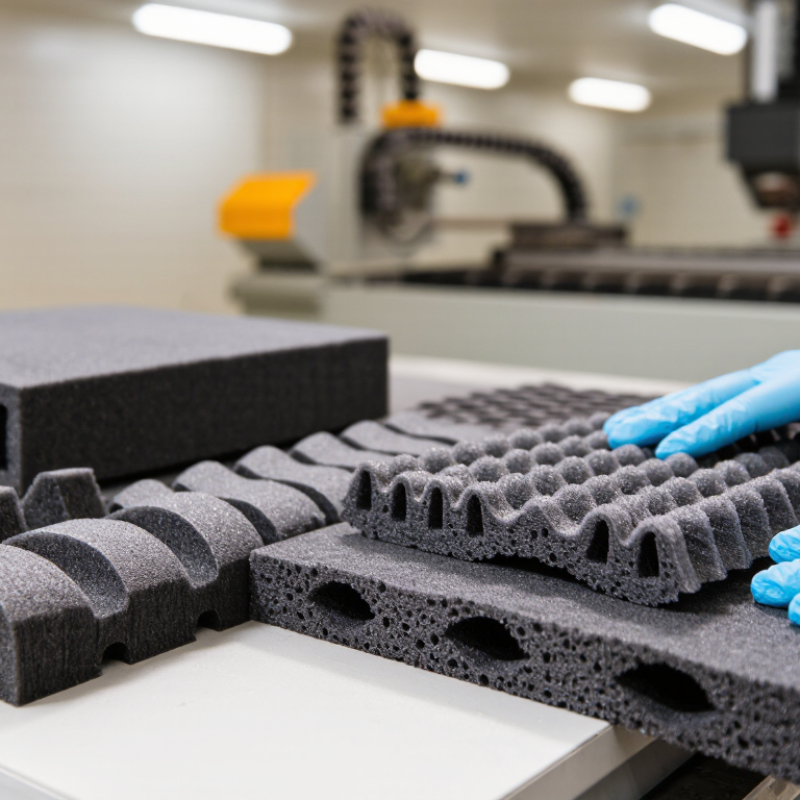
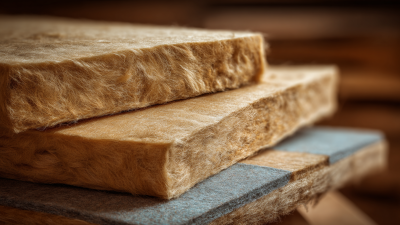
Noise insulation foam is a lightweight, porous material used to absorb sound within a room. Its open cells allow sound waves to enter instead of reflecting from a hard surface. As air vibrates through tiny passages, friction converts some acoustic energy into heat. The change is slight, but it happens across the foam’s surface. This helps reduce fluttering echoes and makes speech clearer in a small office or practice room. Foam works best on many mid- and high-frequency sounds, such as voices, keyboard taps, and sharp claps. Not every noise. Foam alone rarely blocks deep bass or traffic rumble traveling through a wall.
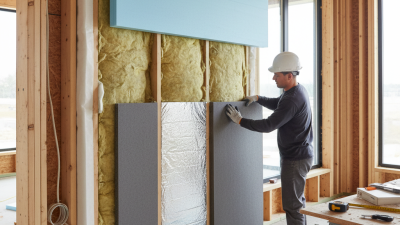
Thickness, cell structure, and placement all affect performance. Panels near reflection points can reduce harsh echoes, but covering every surface may make a room sound unnaturally dull. A hand clap can reveal an obvious echo, though it cannot measure overall performance. When comparing products, check absorption data alongside panel thickness, mounting method, and test conditions. Results can vary with installation. For noise traveling between rooms, absorptive foam may need to be paired with sealed gaps and appropriately designed walls or doors. Keep ventilation paths and heat sources unobstructed. A modest panel layout is often a better starting point, then adjust after listening. Room use changes what “enough” means.
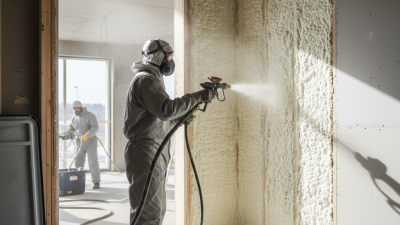
Noise-insulation foam is used wherever reflected sound makes a space tiring or unclear. In recording rooms, studios, and meeting spaces, foam panels on walls or ceilings can reduce echoes and improve speech clarity. Placement matters. Foam mainly absorbs sound within particular frequency ranges; it will not reliably block traffic rumble or noisy neighbors by itself. Those problems may require heavier barriers and sealed gaps.
Grand View Research estimated the global acoustic-insulation market at USD 14.57 billion in 2023, identifying building and construction as a key application segment. In buildings, foam is often fitted around ventilation ducts, equipment enclosures, and interior partitions to soften fan or mechanical noise. Small details count: uncovered seams and poorly fitted panels can leave sound paths untouched. Not a cure-all.
Transport and industrial settings use foam differently. Vehicle interiors may have foam beneath trim to reduce cabin reflections, while factories use it inside machine guards or control rooms near compressors and pumps. The World Health Organization’s 2018 environmental-noise guidelines recommend keeping road-traffic noise below 45 dB Lnight outdoors. That is a health-based guideline, not a promise that foam will achieve the level. Material thickness, density, room shape, and installation all affect results, and product claims deserve careful checking.
How to Evaluate Noise Insulation Foam Suppliers in China
Evaluate suppliers by asking for frequency-specific absorption results, not just claims about foam density or thickness. Request reports identifying the test method, sample thickness, and measured performance. ASTM C423 and ISO 354 are commonly used for sound absorption testing. Ask for the full report, not only a single headline rating. Ask for raw data. Also check whether the tested sample matches the product you will receive, including its facing and installation conditions. Small details matter.
Keep absorption separate from sound blocking. Foam can reduce reflections inside a room, but it may not stop sound passing through a wall. The World Health Organization’s 2018 Environmental Noise Guidelines for the European Region recommend average exposure levels below 53 dB Lden for road traffic and 45 dB Lden for aircraft. These are environmental exposure recommendations, not foam product requirements. That distinction matters. A supplier should explain what its test results can—and cannot—predict in your building. Request batch consistency records and clear installation guidance. Check technical documents for fire and emissions test details relevant to your project. A polished PDF is not proof by itself; independent testing is stronger, and even then, field performance can differ.
Compare suppliers’ acoustic test reports against the ISO 11654 weighted sound absorption classes (αw).
Higher αw values indicate greater weighted sound absorption. These are standard classification ranges, not supplier ratings; request test reports for the specific foam, thickness, and installation conditions you plan to use.
Leading Noise Insulation Foam Suppliers in China
China’s noise insulation foam suppliers serve construction, transport, appliance, and industrial projects. The global acoustic insulation market was valued at approximately US$15.7 billion in 2023, according to Grand View Research. Its report covers multiple insulation materials, not foam alone, so the figure indicates wider demand rather than China’s foam sales. Buyers should compare suppliers using measurable product data, not market claims.
Ask for test reports showing sound absorption by frequency, thickness, density, and test method. ISO 354 measurements can help assess absorption in a reverberation room. Foam that performs well at mid and high frequencies may offer less benefit against low-frequency machinery hum. Small details matter: a 25-millimeter sample and a 50-millimeter sample can behave quite differently. Check consistency between samples and production batches.
Reliable suppliers should provide clear specifications, traceable test results, and practical guidance on installation and application limits. Ask how the material handles heat, moisture, compression, and aging in the intended setting. Absorption is not the same as blocking sound through a wall. That distinction is easy to miss. I would also request a sample and verify its dimensions before placing a large order; paperwork can look complete while real-world fit remains imperfect.
Supplier-selection guide: This table compares common acoustic foam categories and verifiable purchasing criteria, not individual suppliers or brands. Open-cell acoustic foam primarily absorbs sound reflections inside a room; it should not be treated as a substitute for a tested sound-isolation wall or barrier system.
| Product or Evaluation Area | Typical Characteristics | Suitable Applications | What to Verify with a Supplier | Relevant Test or Documentation |
|---|---|---|---|---|
| Open-cell polyurethane acoustic foam | Porous, lightweight foam designed to absorb sound energy. Performance varies with thickness, surface profile, mounting, and test conditions. | Reducing room echo and reverberation in studios, control rooms, offices, and equipment enclosures. | Foam type, thickness, dimensions, density, installation method, and absorption results for the exact product configuration. | Sound absorption testing to ASTM C423 or ISO 354. Request the complete report, including specimen thickness and mounting details. |
| Melamine acoustic foam | Open-cell foam commonly used where low weight and acoustic absorption are required. Fire performance depends on the specific grade and tested assembly. | Ceilings, wall panels, and selected industrial or transport interiors where the application requirements permit its use. | Exact grade, dimensional stability, applicable fire classification, and whether test results apply to the supplied thickness and finish. | Sound absorption report to ASTM C423 or ISO 354; fire-test report for the applicable product and intended end use. |
| Closed-cell polyethylene foam | Closed-cell structure generally resists water uptake better than open-cell acoustic foam. It is commonly used for cushioning, gasketing, and impact protection rather than broad room-sound absorption. | Protective packaging, seals, spacers, and selected cushioning or isolation applications. | Cell structure, thickness, compression behavior, water-absorption data, and suitability for the intended acoustic function. | Request product-specific physical-property data and test methods; do not rely on an acoustic absorption claim without a relevant test report. |
| Foam used with a sound-isolation assembly | Foam may help seal gaps or reduce vibration at interfaces, but foam alone usually does not provide the mass and airtight construction needed for substantial airborne sound isolation. | As one component of a designed wall, enclosure, door, or equipment-isolation system. | Ask for performance data for the complete assembly, including panel layers, joints, seals, fixing method, and any required air gaps. | For airborne sound insulation, request assembly test data such as ASTM E90 or ISO 10140, with the reported rating and configuration. |
| Sound absorption performance | NRC is a rating derived from measured absorption at specified frequencies. It is not a universal material constant and does not by itself describe sound transmission loss. | Comparing products intended to control reverberation, provided the test configurations are comparable. | Tested frequency data, NRC where applicable, specimen thickness, mounting, air gap, and laboratory report number. | ASTM C423 or ISO 354. Compare results only when the test and mounting conditions are clearly stated. |
| Airflow resistance and acoustic consistency | Airflow resistance can help characterize porous absorbers, but it should be considered alongside full sound-absorption test results. | Technical comparison of porous foam formulations and quality-control specifications. | Test method, reported units, sampling procedure, production tolerance, and batch consistency. | ISO 9053 series for airflow resistance; request the method and sample details used in the report. |
| Fire and regulatory compliance | Fire classifications are test- and application-specific. Results for one formulation, thickness, facing, or mounting cannot automatically be applied to another. | Commercial interiors, transport, industrial facilities, and other projects with defined fire requirements. | Certificate validity, tested product identification, thickness, backing or facing, test configuration, and destination-market requirements. | Request the applicable report, such as EN 13501-1 classification or an ASTM E84 report, as required by the project. These standards are not interchangeable. |
| Dimensions and quality control | Thickness, sheet size, density, and tolerances are product-specific; there is no single specification suitable for every foam application. | Custom panels, die-cut parts, equipment liners, and repeat production orders. | Approved drawing, measurement method, dimensional tolerances, density range, batch identification, and inspection records. | Request a product specification sheet and inspection report tied to the supplied batch or production lot. |
| Supplier documentation and sampling | Reliable comparisons depend on traceable product specifications and test reports for the same grade being quoted. | Prequalification, quotation comparison, sample approval, and production verification. | Physical sample, technical data sheet, test reports, manufacturing location, lead time, packaging details, and change-control process. | Confirm that documents identify the product grade, test laboratory, test date, specimen details, and report scope. |
| Important: Acoustic absorption and sound isolation are different performance goals. Select foam using the intended application and independently verifiable test data; do not compare supplier claims unless the product configuration and test conditions match. | ||||
When comparing China-based noise insulation foam suppliers, request test reports for the exact grade and thickness you plan to buy. Check density, thickness tolerance, and sound absorption results. ASTM C423 measures sound absorption in a reverberation room; ISO 10534-2 uses an impedance tube. These methods are not interchangeable. Foam can reduce room reflections, but it may not block sound passing through a wall. That distinction matters.
The World Health Organization’s 2018 Environmental Noise Guidelines recommend road traffic noise below 53 dB Lden and 45 dB Lnight. These are exposure recommendations, not foam performance ratings, but they help clarify the project’s noise-control goal. Compare quotes on the same basis: price per cubic meter, stated density, thickness, minimum order, and included packaging. A low unit price can hide thinner material or costly freight. Ask for a sample, then check whether its measurements match the production specification. I would not rely on a single lab figure.
Delivery terms deserve equal scrutiny. Get the production lead time, shipment schedule, Incoterm, and responsibility for export packing in writing. Ask how compressed sheets are protected from moisture and how rejected batches are handled. Compare the promised dispatch date with recent order records, not only a sales estimate. A neat spreadsheet helps. It can still miss delays around holidays or port congestion, so leave a buffer.
Scan QR code to download the app
LSP Products was founded by plumbers over 50 years ago with a focus on unparalleled innovation, superior product quality, and best-in-class service to the plumbing industry. Our primary focus is the new construction market where we develop products that make installations easy and provide significant cost savings to the plumbing/mechanical contractor. LSP has a manufacturing facility located in Monterrey, Mexico and a distribution center in Dallas, Texas. We are proud to offer many products designed and made in North America… About LSP
Submit the form below to receive the document via email.