What Are the 2026 Top Garden Lighting Types for Buyers?
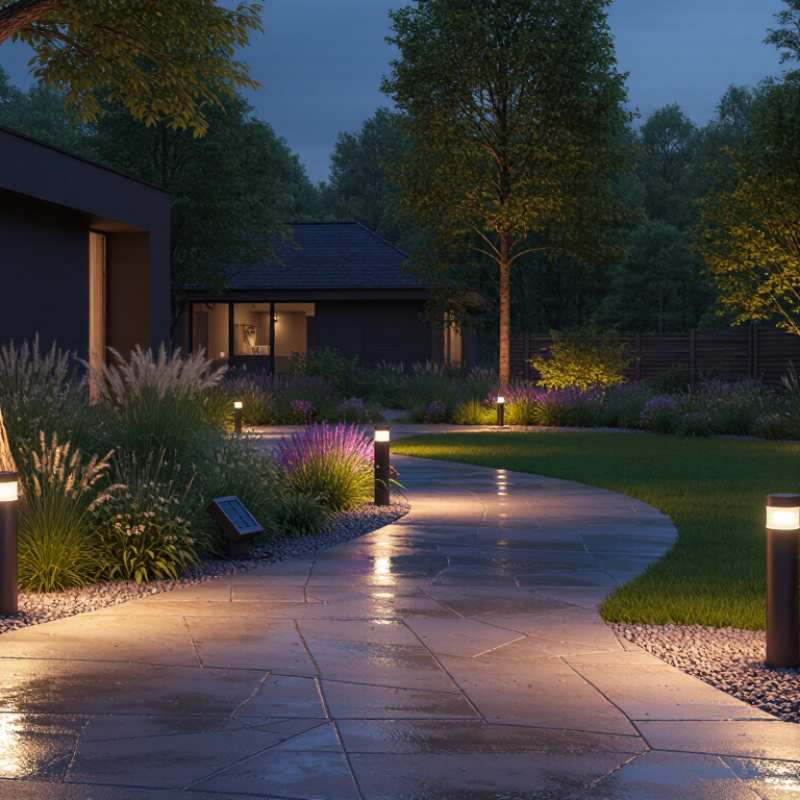
Choosing the right Garden Lighting in 2026 means balancing atmosphere, durability, energy use, and control. Buyers are no longer choosing fixtures only for brightness. They are examining beam angles, glare, weather resistance, repair options, and long-term running costs. A warm LED pathway light can guide guests across wet stone, while carefully aimed uplighting can reveal the texture of an old tree without disturbing nearby windows.
Landscape-lighting designer and author Janet Lennox Moyer has said, “The best lighting is the lighting you don’t see.” That principle remains highly relevant. Effective systems hide cables, soften shadows, and avoid the harsh appearance of overlit gardens. Low-voltage LED fixtures, smart timers, adjustable spotlights, shielded bollards, and improved solar units are likely to attract serious buyers. Dark-sky-friendly designs also deserve attention, especially in residential areas where excessive glare can affect neighbors and wildlife.
Practical details matter.
A buyer should check IP ratings, transformer capacity, connector quality, and replacement-part availability. Smart controls may offer useful scheduling, but they can add complexity when Wi-Fi fails. Solar lighting reduces wiring, yet shaded gardens may produce disappointing results during winter. I admit that product labels do not always reveal the full experience. A fixture can promise 1,000 lumens and still create uncomfortable glare.
This guide examines the leading 2026 Garden Lighting types through performance, appearance, installation flexibility, maintenance, and value. It also questions popular assumptions, because the brightest garden is rarely the most welcoming one.
What Makes Garden Lighting a Top Choice for Buyers in 2026
What Makes Garden Lighting a Top Choice for Buyers in 2026
Garden lighting is becoming a practical home upgrade, not just a decorative feature. Buyers want safer paths, clearer steps, and useful outdoor spaces after sunset. Solar path lights suit renters and smaller gardens because they need little wiring. Low-voltage LED systems provide steadier brightness for patios, trees, and entrances. Motion-sensitive fixtures can improve visibility without staying on all night. The appeal is simple: better comfort, lower energy use, and more flexible outdoor living.
Tips: Check the light’s weather-resistance rating before buying. Measure path spacing carefully. Warm white light usually feels softer and more natural. Keep fixtures away from sprinklers when possible. Test brightness at night, not only in a store. A small mistake matters. Overlighting can make a garden feel harsh and expose neighboring windows.
From practical installation experience, layered lighting usually works better than one powerful fixture. Use gentle path lights near walking areas, focused uplights for trees, and task lighting near seating. Buyers should also inspect battery quality, cable length, replacement parts, and timer controls. Smart controls add convenience, but they may feel unnecessary in a small garden. I once placed lights too close together, creating bright patches and dark gaps. The garden looked less inviting, despite using more fixtures. Good planning remains more important than adding technology.
Solar-Powered Garden Lights: Benefits, Limits, and Best Uses
Solar-powered garden lights remain a leading outdoor lighting choice in 2026. They collect daylight through a small photovoltaic panel and switch on automatically after dusk. For paths, flower beds, and low fences, installation is refreshingly simple. No trenching. No outdoor wiring.
In my experience, placement determines performance more than the lamp’s appearance. A panel needs several hours of direct sunlight, not just bright shade. Six to eight sunny hours may support evening illumination, but cloudy winter days can reduce output sharply. I once placed lights beneath a mature tree, expecting decorative brightness. They barely lasted until midnight. That mistake changed my planning approach.
Solar lights also reduce electricity use and routine maintenance. Look for weather-resistant construction, replaceable batteries, and clear charging specifications. A warm-white setting usually suits seating areas, while cooler light can improve visibility along steps. Keep fixtures away from sprinklers and check drainage after heavy rain. “Water-resistant” does not always mean fully waterproof.
Their limits deserve attention. Small panels may struggle in northern gardens, shaded courtyards, or during long rainy periods. Brightness can also fade as batteries age. Motion-activated models often conserve energy, but frequent movement may shorten nightly runtime. For security-critical areas, wired lighting may provide more consistent output. Solar lighting works best when expectations remain practical, not perfect.
LED, Smart, and Motion-Sensor Lighting for Modern Outdoor Spaces
In 2026, garden lighting buyers are favoring LED systems for efficient, steady illumination. LED fixtures use less electricity and usually last longer than older outdoor bulbs. Warm white light, around 2700K to 3000K, keeps paths and patios comfortable after sunset. For planting beds, shielded fixtures reduce glare and protect the garden’s natural appearance. In my experience, placing lights low beside stepping stones creates safer, softer guidance than aiming bright beams from above.
Smart lighting adds schedules, dimming, and separate control zones. A homeowner can set pathway lights to fade on at dusk and reduce brightness after midnight. This supports comfort while limiting unnecessary energy use. Reliable systems should include secure passwords, clear privacy settings, and weather-resistant connections. Wireless signals can weaken behind masonry walls. This is easy to overlook. A simple manual switch remains useful during network problems.
Motion-sensor lighting works well near gates, sheds, and side entrances. It brightens only when movement is detected, which can reduce overnight power use. Good sensors need adjustable sensitivity, timing, and detection range. Aim them carefully; passing branches may trigger repeated activation. I once installed a sensor too close to a busy walkway, and the constant switching became irritating. That mistake mattered. Buyers should test sensor angles at night, inspect cable seals after heavy rain, and choose fixtures rated for outdoor exposure. Pairing LED, smart controls, and motion detection can improve a modern garden, but each feature needs practical testing.
Pathway, Spot, String, and Decorative Garden Light Applications
Garden lighting in 2026 is moving toward practical layers rather than one bright fixture. Pathway lights create safe, gentle routes beside lawns, steps, and planting beds. Choose low-glare models with warm color temperatures, usually between 2700K and 3000K. Space them unevenly when possible. Equal gaps can make a garden feel too mechanical.
Spotlights help buyers highlight trees, sculptures, textured walls, or water features. Aim them carefully from the ground, and avoid directing beams toward windows or seating areas. String lights add a softer social mood across pergolas, balconies, and outdoor dining zones. Decorative lanterns work well near entrances, benches, and flower containers. In my experience, layered lighting feels more natural than using one powerful source. Still, I have sometimes overlit a small patio. It looked impressive at first, but the plants disappeared into glare.
Tips: Sketch the garden at night before buying fixtures. Mark walking routes, focal points, and dark corners. Select weather-resistant fittings suitable for local conditions. Solar lights are convenient, but shaded gardens may need wired or rechargeable options. Keep cables protected and connections away from standing water. Test brightness after installation, not only during daylight. A slightly dimmer light often feels more comfortable. Also, leave some darkness. It gives the garden depth and makes decorative features more noticeable.
How to Compare Garden Lighting for Safety, Efficiency, and Durability
For 2026, buyers will compare LED bollards, wall lights, path lights, and low-voltage spotlights. Each type serves a different safety task. Path lights reveal steps and edges. Bollards define walkways without harsh glare. Spotlights improve visibility near gates, but poor aiming can disturb neighbors.
Efficiency should be measured beyond brightness. The U.S. Department of Energy reports that LEDs use at least 75% less energy and last up to 25 times longer than incandescent lighting. Choose warm color temperatures, usually 2700K to 3000K, for comfortable outdoor visibility. Use timers, photocells, or motion sensors carefully. Constant motion activation may reduce energy use, yet frequent switching can shorten some components’ service life. That detail is easy to miss.
Durability depends on housing, wiring, drainage, and installation quality. Check the IP rating under IEC 60529. Higher protection generally suits exposed areas, but IP ratings do not guarantee impact resistance or long-term corrosion protection. IES guidance also supports controlling glare and directing light toward the ground. In practice, shielded fixtures often perform better than brighter fixtures. I have seen attractive lights fail because water collected inside poorly angled housings. The weak point is sometimes the cable joint. Buyers should inspect seals, connectors, replacement parts, and warranty terms. No single lighting type wins every garden. Safety, efficiency, and durability must be judged together.

 Skip to main content