Top 10 Silicone Windshield Wipers for Global Buyers

Choosing the right windshield wiper can seem simple until rain, dust, heat, and road salt expose weak materials. This guide introduces the Top 10 Silicone Windshield Wipers for Global Buyers, focusing on performance, durability, fit, and practical value. Silicone blades can offer smooth contact and strong resistance to temperature changes. However, quality varies widely between brands and designs.

Real-world details matter. A wiper should clear a wet windshield without leaving thin arcs or chatter marks. Its frame must hold steady during highway driving. The rubber edge, connector, and pressure distribution deserve equal attention. We consider these points alongside installation ease, vehicle compatibility, packaging quality, and manufacturer support. Buyers should also check regional specifications before ordering. Connector types differ. So do windshield shapes.

No ranking is perfect. A blade that performs well in a humid coastal city may behave differently in a dry, dusty region. Some products also advertise long service life without presenting enough independent testing. That deserves caution. Our approach combines product specifications, user experience, material knowledge, and practical purchasing considerations. We avoid judging performance from appearance alone. Small details can matter more than glossy claims.

Expect a balanced comparison.

This overview is designed for distributors, retailers, fleet managers, and individual drivers. It can help narrow choices without replacing vehicle-specific checks. Before purchase, confirm the blade length, adapter style, installation direction, and climate demands. Reliable decisions begin with accurate information.
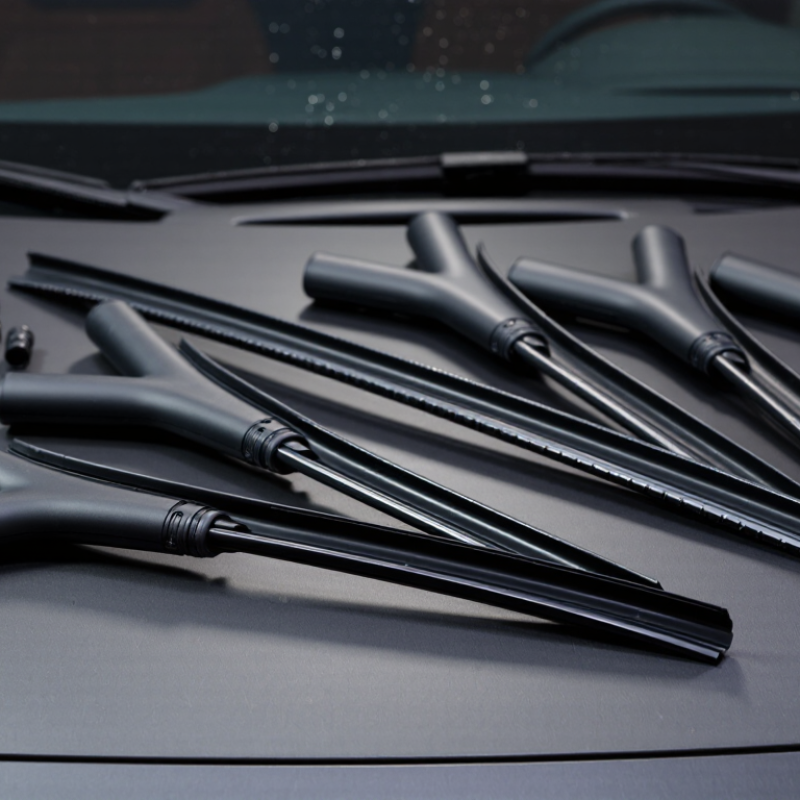
Top 10 Silicone Windshield Wipers for Global Buyers

Understanding Silicone Windshield Wiper Technology

Top 10 Silicone Windshield Wipers for Global Buyers

Understanding Silicone Windshield Wiper Technology

Silicone wipers use a flexible silicone edge instead of conventional rubber. Their main advantage is durability against ultraviolet light, ozone, and temperature changes. Silicone can also leave a water-repellent film on glass, improving rain beading at highway speeds. However, performance depends on edge design, pressure distribution, and windshield condition. Silicone is not automatically superior.

The U.S. Federal Highway Administration reports that wet pavement contributes to about 75% of weather-related crashes. Its data also links rainfall directly to reduced road visibility. This makes wiper consistency more important than appearance. SAE J903 offers testing guidance for windshield wiping equipment, including wiping effectiveness and durability. Buyers should examine whether testing covers heat, cold, salt, and repeated wiping cycles. Some product claims remain vague. That deserves caution.

Tips: Check the blade profile, connector fit, and pressure points. A smooth silicone edge should move quietly across clean glass. Remove dust before testing. Do not judge performance from water beading alone. Excessive beading can still distort night vision under headlights. In colder regions, inspect resistance to ice adhesion. In tropical regions, prioritize UV and ozone testing. A small weakness may appear after months, not during the first installation.
Comparing Silicone Blades with Traditional Rubber Wipers

Silicone Windshield Wipers for Global Buyers

Silicone and traditional rubber wipers behave differently under heat, rain, dust, and ultraviolet exposure. Silicone blades usually retain flexibility longer in hot climates. Their surface can also leave a water-repellent film, helping droplets move across glass. Rubber blades remain widely used because they cost less and provide predictable wiping performance.

That price difference matters. A 2024 Fortune Business Insights report valued the global automotive wiper market at about USD 8 billion in 2023. Replacement demand is rising with vehicle ownership and harsher weather conditions. However, market growth does not prove that silicone suits every vehicle. Rubber can perform well in moderate climates and may feel quieter on older, uneven glass.

The details are practical. Inspect the blade edge for nicks, hardening, or a split spine. Silicone often handles ozone and sunlight better, but poor installation can still cause streaks. Some silicone coatings may also smear during the first few wet cycles. That is easy to overlook. In winter regions, neither material should be judged only by dry-weather wiping. Ice, road salt, washer-fluid chemistry, and blade pressure change the result. Buyers should check arm compatibility, measured length, connector type, and testing references such as SAE J903. A slightly cheaper rubber blade may be the sensible choice for frequent replacement. A silicone blade may suit intense sun, but its higher cost deserves real testing.

Key Features Global Buyers Should Evaluate

Top 10 Silicone Windshield Wipers for Global Buyers

Global buyers should evaluate performance before appearance. MarketsandMarkets estimates that the automotive wiper system market will grow from about USD 7.3 billion in 2023 to USD 9.5 billion by 2028. This growth increases product choice, but quality still varies. Silicone blades should maintain even contact across curved glass. Look for a flexible spine, stable pressure, and an adapter that locks firmly. Poor fit creates missed water lines. That is dangerous.

Material testing also deserves close attention. SAE J903 provides a recognized basis for windshield wiping-system evaluation. Buyers should request test results for wiping efficiency, durability, and resistance to heat, ozone, and ultraviolet exposure. Silicone usually performs well in cold weather and can leave a water-repellent film. However, that film may cause haze on contaminated glass. Real-world inspection matters more than attractive specifications.

Check performance across climates. A blade tested only in mild weather may fail in desert heat or freezing rain. Reports from Grand View Research identify replacement demand and weather exposure as important market factors. Ask for cycle-test results, temperature ranges, and salt-spray data. Connector compatibility is equally practical; a strong blade is useless if installation requires force. Packaging should protect the rubber edge from bending during ocean transport. Some evaluation methods remain imperfect, especially when laboratory glass differs from older vehicle windshields. Buyers should compare independent test data with field samples before placing large orders.

Top 10 Silicone Windshield Wipers for Global Buyers - Key Features Global Buyers Should Evaluate
Rank Configuration Typical Size Range Silicone Element Blade Construction Adapter Coverage Operating Temperature UV and Ozone Resistance Wet-Weather Performance Snow and Ice Considerations Noise Control Best Use Case Buyer Evaluation Priority
1 Premium Flat Silicone Blade 16–28 in (400–700 mm) Coated silicone wiping edge with flexible wiping lip Frameless aerodynamic spine with uniform pressure distribution Multi-adapter system covering common hook, push-button and side-pin arms Approximately −40°C to 80°C High resistance when the silicone compound includes UV stabilizers Consistent water removal at highway speed when correctly sized Low ice accumulation compared with exposed metal-frame designs; still requires de-icing Very good Mixed climates and year-round passenger vehicles Silicone compound quality, pressure distribution and adapter security
2 Heavy-Duty Flat Silicone Blade 18–32 in (450–800 mm) Thicker silicone wiping element designed for higher loading Reinforced flexible spine with a rigid central support Common hook and push-button adapters; verify arm-specific fit Approximately −40°C to 80°C High, subject to formulation and protective coating Strong contact stability on larger windshields Suitable for moderate snow; heavy ice should be removed manually Good SUVs, vans and larger windshield areas Load capacity, spoiler stability and correct blade curvature
3 Winter Silicone Blade with Protective Cover 16–28 in (400–700 mm) Silicone wiping edge enclosed by a weather-resistant outer cover Covered flexible frame designed to reduce snow entry Hook, bayonet and selected push-button adapters Approximately −40°C to 70°C High when the cover material is UV-stabilized Reliable wiping in rain, slush and road spray Better protection against packed snow than open-frame designs Good Cold regions with frequent snow and freezing conditions Cover sealing, cold flexibility and resistance to ice buildup
4 Hybrid Silicone Blade 16–30 in (400–750 mm) Silicone wiping lip combined with a flexible rubber-like support element Internal support frame with an aerodynamic outer shell Broad coverage of common hook, push-button and side-lock arms Approximately −35°C to 80°C Good to high, depending on the silicone percentage and coating Stable contact with improved resistance to wind lift Moderate snow performance; exposed joints may collect ice Very good Vehicles requiring a balance of rigidity and flexibility Joint protection, shell durability and pressure uniformity
5 Low-Profile Silicone Blade 14–28 in (350–700 mm) Thin silicone wiping edge with low-profile backing Compact frameless body with reduced wind-facing area Common hook and push-button adapters; check clearance carefully Approximately −35°C to 75°C Good when UV stabilizers are used in the compound Low aerodynamic lift and clean windshield appearance Not intended for severe ice or heavy packed snow Very good Modern passenger cars with limited arm clearance Overall height, connector clearance and edge flexibility
6 Curved Windshield Silicone Blade 18–30 in (450–750 mm) Flexible silicone edge pre-shaped for curved glass Curved support profile with multiple contact zones Hook, push-button and side-pin systems when supplied with matching adapters Approximately −35°C to 80°C Good to high Good edge contact on strongly curved windshields Moderate winter performance; avoid operating over frozen glass Good Vehicles with pronounced windshield curvature Curvature match, pressure balance and end-cap retention
7 Silicone Blade for Hot and Humid Climates 16–28 in (400–700 mm) Heat-resistant silicone with UV and ozone stabilizers Ventilated aerodynamic body designed to limit heat accumulation Common hook and push-button adapters; market-specific arm checks required Approximately −30°C to 90°C Very high when validated by accelerated weathering tests Effective against rain, dust film and frequent washer-fluid use Not designed as a dedicated snow blade Very good Tropical, coastal and high-solar-radiation markets UV aging test results, ozone resistance and adhesive durability
8 Economy Silicone Replacement Blade 16–28 in (400–700 mm) Basic silicone wiping strip with limited surface treatment Simple flexible frame or refill-style support Usually limited to one or two arm types; compatibility must be confirmed Approximately −30°C to 70°C Moderate; performance varies significantly by formulation Acceptable for normal rainfall when properly installed Limited suitability for severe winter conditions Good Cost-sensitive replacement programs and fleet maintenance Fit accuracy, wiping-edge consistency and quality control
9 Silicone Refill Strip 24–32 in (600–800 mm) refill lengths, cut to fit Replacement silicone wiping strip for compatible reusable frames Refill-only format; original frame must remain straight and secure Depends entirely on the existing blade frame and retaining rails Approximately −30°C to 75°C Moderate to high, depending on material grade Can restore wiping quality if the original frame applies even pressure Not recommended where the original frame is damaged or heavily corroded Variable Low-waste maintenance and compatible reusable assemblies Cross-section dimensions, rail compatibility and retention method
10 Commercial Vehicle Silicone Blade 24–40 in (600–1000 mm) Reinforced silicone wiping edge for extended blade lengths High-strength spine with enhanced end retention and spoiler support Commercial hook, pin and heavy-duty mounting options; verify arm load rating Approximately −35°C to 80°C High when compound and end caps are designed for extended service Stable wiping over large glass areas with frequent washer-fluid use Moderate to good, depending on protective design and local climate Good Buses, trucks and high-mileage commercial fleets Structural strength, service life, arm compatibility and spare availability

Temperature ranges and performance descriptions are typical evaluation targets for silicone windshield wiper designs, not guarantees for every individual product. Buyers should confirm vehicle-specific fit, arm type, blade length, applicable regional standards, weathering-test results and installation instructions before purchase.

Top 10 Silicone Windshield Wipers by Performance and Use

Silicone windshield wipers should be judged by performance and use, not appearance alone. In cold climates, silicone usually stays flexible below freezing and resists ozone damage better than conventional rubber. This matters after a night of frost, when a stiff blade can leave broken arcs across the glass. SAE J903 testing emphasizes wiping quality, durability, and resistance to environmental exposure. These remain practical buying indicators.

For heavy rain, choose a blade with even pressure across curved glass. A stable spoiler can reduce lifting on motorways, while a flatter profile suits many modern windscreens. In dusty regions, silicone’s water-repellent transfer may help droplets move faster, but it cannot replace washer fluid or cleaning. Market research from Grand View Research identifies durability and weather resistance as major drivers in the automotive wiper systems market. Still, market growth does not prove every blade performs equally. Real vehicle testing matters more.

Tips: Check the connector before ordering. Measure the blade length. Clean the glass first. Replace blades when streaks remain after two passes. Do not judge only by silence; a quiet blade can still leave a thin film. I have found that installation pressure often changes results more than expected. Some “all-weather” claims feel overstated, especially on rough, dusty glass. Regional rain intensity, parking exposure, and windshield curvature should guide the final choice.

Installation, Maintenance, and International Buying Considerations

Top 10 Silicone Windshield Wipers for Global Buyers

Installation, Maintenance, and International Buying Considerations

Silicone windshield wipers can perform well, but installation quality matters as much as blade material. Before ordering, measure the existing blade from end to end. Check the arm connector, not only the advertised length. A correct fit should lock firmly without forcing the adapter. Listen for a clean click. Never twist the arm against the glass.

In a workshop-style check, clean the windshield and arm with a lint-free cloth. Remove the old blade carefully, because a released arm can strike and crack the glass. After installation, test slow and fast settings with washer fluid. Look for missed arcs, chatter, or a lifting edge. Silicone often resists sunlight and temperature changes, yet it still collects dust and road film. Clean the wiping edge monthly in dusty regions. Do not use abrasive powder. My early assumption was that longer service life meant no maintenance. That was too simple.

International buyers should confirm vehicle fitment, adapter type, package contents, and replacement availability before payment. Ask the supplier for measured dimensions and clear installation instructions. Confirm the shipping carton protects the flexible edge from bending. Cold climates may need storage above freezing before installation. Hot markets require packaging that limits heat exposure during transit. Check local import charges, labeling rules, and return terms in writing. Photos can mislead. A small connector difference can stop an otherwise suitable blade from working. Keep one sample for inspection before placing a bulk order.

Top 10 Silicone Windshield Wipers for Global Buyers

Installation, maintenance, and international buying considerations by reference blade length

How to use this chart: The chart compares ten standard windshield wiper blade lengths, converted from inches to millimeters using 1 inch = 25.4 mm. Buyers should confirm the vehicle-specific driver-side, passenger-side, and rear-wiper sizes before ordering. For installation, match the connector type and lock the adapter until it clicks. For maintenance, clean the silicone edge regularly, inspect for splitting or skipping, and replace the blade when streaking or vibration continues after cleaning. International buyers should also verify packaging language, customs classification, connector compatibility, and local road-weather requirements.
LSP App

Download the LSP App now

Scan QR code to download the app

We use cookies to personalize content, utilize website traffic analytics & support our marketing initiatives. By continuing to browse our site you consent to receive our cookies. For more information see our Privacy Statement. 
Ok