A well-chosen Partition Glass system can bring daylight deeper into an office while defining meeting rooms, quiet zones, and shared work areas. The right option depends on how each space is used, not just how it looks. A clear, floor-to-ceiling wall may make a compact office feel larger, but it can also reveal screens, paperwork, and people in sensitive conversations. Privacy matters.
This guide explores ten types of office partition glass, from frameless panels to frosted, tinted, and switchable options. Each offers a different balance of visibility, sound control, appearance, and upkeep. For example, a busy meeting room may need better acoustic performance than a casual collaboration area. Metal framing, door hardware, glass thickness, and installation quality can also affect daily comfort. Details count.
There is no universal best choice. The decision should reflect the floor plan, lighting, cleaning routine, and privacy needs. Product specifications are useful, but real performance depends on the complete system and careful installation. Confirm relevant safety and building requirements with qualified local professionals. That step is easy to overlook. The comparisons below are a practical starting point, not a substitute for assessing the actual space. A glass wall can make an office feel calm and open; sometimes it simply makes every conversation more visible.
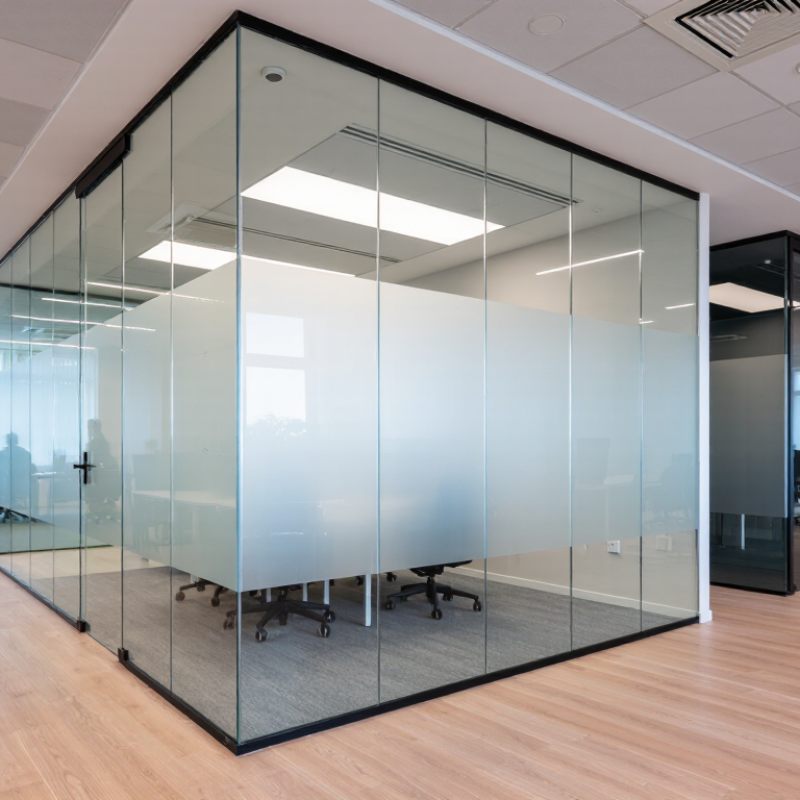
Glass Partitions divide an office without making it feel closed. Clear panels carry daylight from perimeter windows into interior work areas. Frosted bands or patterned films soften views where people need privacy. Framed, frameless, sliding, and acoustic-rated systems each serve different layouts. The right choice depends on how teams work, not just how a floor plan looks.
Glass is not a cure for every noise problem. Standard panels may reduce direct sound, but gaps around doors can still let conversations travel. Acoustic performance depends on the full assembly, including seals, frames, and ceiling connections. In practice, teams sometimes expect a glass meeting room to feel fully private, then discover voices remain audible. That mismatch is worth discussing before installation. Consider glare, cleaning access, door swings, and future layout changes, too. Small details matter.
Tips: Match the glass to the task. Use clear panels near shared areas, and consider translucent sections beside focus rooms. Ask for tested acoustic data when sound control matters. Check sample panels in the actual office lighting; a finish that looks subtle in a showroom may feel much darker onsite. Some compromises are unavoidable.
Office partition glass is classified by its construction, frame, and level of visual privacy. A framed system uses metal profiles around each panel, while frameless glass relies on discreet joints and floor or ceiling channels. The difference is easy to see near a doorway: framed edges look defined, while frameless panels create a more continuous line. Neither is automatically better; the right choice depends on the room and its daily use.
Glass type provides another useful classification. Clear panels preserve sightlines and daylight, while frosted or patterned glass softens views between work areas. Laminated or tempered safety glass may be specified according to project requirements and local building standards. Some offices also use double-glazed partitions to help reduce sound transfer. Results vary with seals, doors, and installation quality. A quiet meeting room is not guaranteed by glass alone. Classifications can overlap, so product descriptions may not fit neatly into one category.
Tips: Check how privacy, sound, and cleaning needs differ from room to room. A frosted strip can screen seated workers without blocking all daylight. Ask for tested acoustic data when conversations need greater separation, and inspect door gaps during installation. Small details matter. It is easy to focus on appearance and overlook maintenance; that trade-off deserves a second look.
| Glass Type | How It Is Classified | Appearance and Privacy | Key Characteristics | Common Office Uses |
|---|---|---|---|---|
| 1. Clear Tempered Glass | Heat-treated safety glass | Transparent; offers little visual privacy. | Tempering increases strength compared with ordinary annealed glass. If broken, it typically fractures into small pieces; it does not remain held together like laminated glass. | Meeting rooms, internal office fronts, and circulation areas where visibility and light sharing are priorities. |
| 2. Laminated Safety Glass | Two or more glass layers bonded with an interlayer | Usually clear, though tinted and decorative versions are available. | The interlayer helps hold fragments in place if the glass breaks. Performance depends on the glass make-up, interlayer, and installation. | Partitions where post-breakage fragment retention is desired, including areas with higher safety requirements. |
| 3. Acoustic Laminated Glass | Laminated glass made with an acoustic interlayer | Typically clear; visual privacy is limited unless an opaque or patterned finish is specified. | Designed to help reduce sound transmission compared with some standard glass constructions. Results depend on the complete partition, including joints, doors, and perimeter seals. | Meeting rooms, interview rooms, and offices where speech privacy is important. |
| 4. Frosted or Acid-Etched Glass | Surface-treated glass with a translucent finish | Diffuses views and light; privacy varies with the finish and lighting conditions. | Can be produced as a full or partial treatment. Frosted finishes are not necessarily suitable where complete visual concealment is required. | Private offices, meeting rooms, and partitions needing daylight with reduced direct visibility. |
| 5. Switchable Privacy Glass | Electrically controlled glazing, commonly using a PDLC film or interlayer | Changes between a clearer state and a diffused, private state when powered, depending on the product. | Requires electrical components and controls. The diffused state may still transmit light and silhouettes; it is not a soundproofing treatment. | Boardrooms, consultation rooms, and spaces that need adjustable visual privacy. |
| 6. Tinted Glass | Body-tinted glass or glass with a tinted coating or film | Colored appearance; reduces visible light transmission to a degree determined by the specification. | Can alter daylight and color perception. Tint alone does not guarantee privacy, especially when lighting differs on either side. | Partitions where a consistent color effect or reduced glare is wanted, subject to lighting and design requirements. |
| 7. Patterned or Reeded Glass | Decorative glass with a textured or formed surface | Distorts or obscures direct views while allowing light through; privacy depends on the pattern and viewing distance. | Texture can be formed into the glass surface. Cleaning may require extra care around pronounced patterns. | Reception areas, collaboration spaces, and office fronts requiring a decorative privacy screen. |
| 8. Ceramic-Fritted Glass | Glass with a fired ceramic pattern or coating | Ranges from sparse decorative dots to substantially obscured views, depending on pattern coverage. | The ceramic design is fused to the glass during processing. Pattern density affects transparency and light transmission. | Partitions needing a durable decorative pattern, visual screening, or a clearly marked glass surface. |
| 9. Double-Glazed Partition Glass | Two glass panes separated by a sealed cavity or partition-system gap | Usually transparent; privacy can be added with blinds, films, or other treatments. | The two-pane construction can improve sound separation when designed as part of a complete tested system. It is not automatically equivalent to exterior insulating glazing. | Enclosed meeting rooms and offices where greater acoustic separation is sought. |
| 10. Fire-Resistance-Rated Glass | Special glazing used within a tested, rated assembly | May be clear or have a specialized appearance, depending on the product and system. | Fire performance applies to the specified glass, frame, seals, and installation as a complete assembly. Ordinary tempered or laminated glass is not automatically fire-rated. | Locations where building codes or a fire-safety design require a rated glazed partition. |
Office partitions need to balance daylight, privacy, and speech control. Clear tempered glass keeps sightlines open and suits meeting rooms, though fingerprints show quickly. Frosted glass softens views around desks or phone rooms. Laminated glass holds together when cracked and can reduce sound transfer, but its performance depends on the full wall assembly. Double-glazed partitions add an air gap for better acoustic separation; they also take up more space. Quiet rooms need careful detailing.
Switchable privacy glass changes from clear to opaque when powered, which is useful for rooms with changing privacy needs. It costs more and requires electrical planning. Low-iron glass looks clearer than standard glass, especially beside white walls. Tinted glass reduces glare, yet can make interior spaces feel darker. Fluted or textured glass blurs outlines while still passing light. The effect varies with lighting, so samples are worth checking in the actual room.
Framed glass partitions use metal channels to define the panels and can feel more substantial. Frameless systems create a cleaner, less interrupted view, but installation tolerances matter. Door gaps and ceiling connections can undermine privacy in either system. In practice, no single type solves every office need. A busy corridor may call for durable, easy-to-clean glass, while a small interview room may need stronger acoustic detailing. It is easy to overestimate what frosted glass can do for sound.
Typical glass thickness ranges by partition glass type (millimeters)
Ranges show representative glass makeup thicknesses, not the total partition-system depth. Actual specifications vary by product, design, and local building and safety requirements.
Clear glass keeps sightlines open and spreads daylight across a floor, but offers almost no visual privacy. Frosted and acid-etched glass blur faces while still passing light; patterned or fluted glass adds texture and conceals detail unevenly. Tinted glass reduces glare, though it can make a meeting room feel dim on cloudy days. Mirrored glass may provide one-way views only under particular lighting, so it is unreliable for privacy after dark.
For flexible privacy, switchable glass turns opaque when activated, but needs power and careful maintenance. Laminated glass holds fragments together if damaged, while tempered glass breaks into smaller pieces; neither automatically provides sound privacy. Ribbed glass diffuses views, and double-glazed acoustic partitions can reduce speech transfer when their seals and frames are well designed. Small gaps matter. A beautiful panel can still leak sound around its door.
Choose by the room’s actual use. A reception area may benefit from clear glass, while a confidential meeting room needs obscured glazing and well-sealed doors. Safety depends on the glass specification, installation, and location—not appearance alone. I would not assume a thicker pane always means a quieter office; frame quality and air gaps can matter just as much. Test samples in the real lighting. The result may be less private than expected.
Choosing office glass partitions starts with the work happening behind them. A quiet room for calls may need laminated acoustic glass and a full-height door seal. A bright meeting area might work better with clear panels that preserve sightlines. Privacy matters. Frosted bands can screen seated workers while keeping daylight moving through the office. For changing needs, switchable glass offers adjustable opacity, though its controls and power supply require planning.
Match the partition type to the room’s daily use, not just its appearance. Framed systems can suit busy corridors where edges need protection. Frameless glass creates a lighter look, but fingerprints and door alignment become more noticeable. Measure twice. Check ceiling height, floor level, door swing, and nearby furniture before choosing panel sizes. A beautiful wall can become inconvenient if a chair blocks the entrance.
Consider sound, light, cleaning, and future changes together. Clear glass can reduce the boxed-in feeling, yet it may cause screen glare near windows. Textured or frosted panels add privacy, but they also reduce visibility between teams. A common planning mistake is specifying privacy film everywhere, then discovering that shared spaces feel dim. Mock up one section if the layout is uncertain. Review safety glazing specifications and installation details with a qualified professional before work begins.
Scan QR code to download the app
LSP Products was founded by plumbers over 50 years ago with a focus on unparalleled innovation, superior product quality, and best-in-class service to the plumbing industry. Our primary focus is the new construction market where we develop products that make installations easy and provide significant cost savings to the plumbing/mechanical contractor. LSP has a manufacturing facility located in Monterrey, Mexico and a distribution center in Dallas, Texas. We are proud to offer many products designed and made in North America… About LSP
Submit the form below to receive the document via email.