Top Tips for Choosing the Best Insulation Board for Your Home Improvement Needs

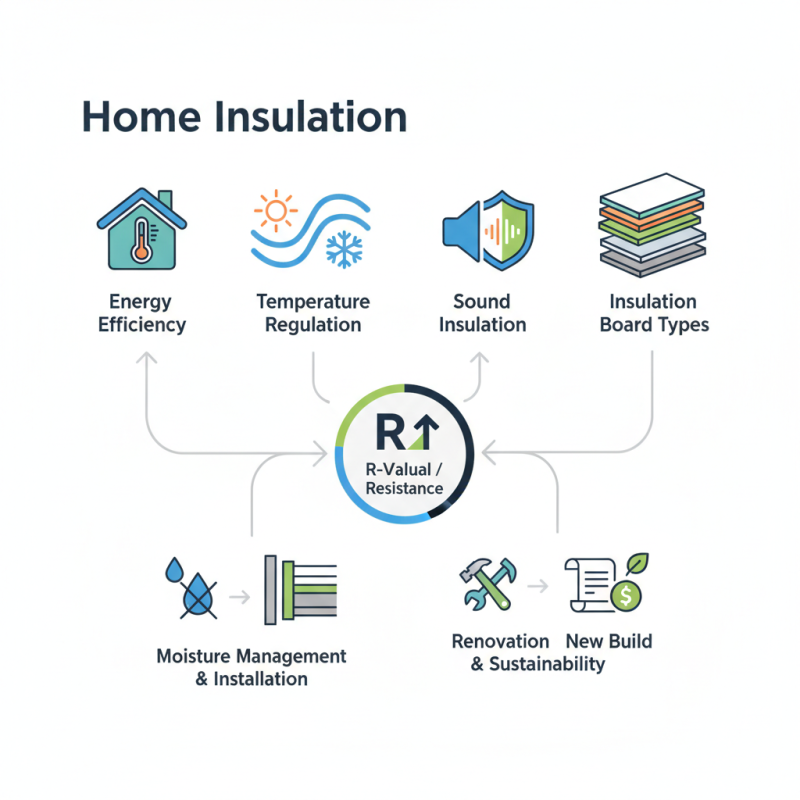
When embarking on a home improvement project, one of the most critical decisions you will face is selecting the right insulation board. Insulation boards play a vital role in enhancing energy efficiency, regulating indoor temperature, and providing sound insulation. With a variety of materials and thicknesses available, it can be overwhelming to determine which insulation board best meets your specific needs. Understanding the different types and their applications is essential to making an informed choice that can lead to significant savings on energy bills and improved comfort.

In this guide, we will explore key factors to consider when choosing insulation boards for your home improvement needs. From the R-value, which measures thermal resistance, to moisture management and installation options, each aspect can influence both the performance and longevity of your insulation. Whether you're renovating an existing space or building anew, knowing how to evaluate insulation boards effectively will ensure that you make the best selection for your home, ultimately contributing to a more sustainable and comfortable living environment.
Top Tips for Choosing the Best Insulation Board for Your Home Improvement Needs

Factors to Consider When Selecting Insulation Board for Your Home

When selecting insulation board for your home, there are several critical factors to consider to ensure optimal performance and energy efficiency. One of the primary considerations is the thermal resistance, or R-value, of the insulation material. A higher R-value indicates better insulation performance; for instance, the U.S. Department of Energy recommends an R-value of at least 38 for attics in colder regions. Understanding the specific recommendations for your climate zone can guide you in selecting the appropriate thickness and type of insulation board.

Another significant factor is the material type of the insulation board. Common materials include polystyrene, polyurethane, and fiberglass. Each has unique properties in terms of moisture resistance, fire safety, and ease of installation. A 2021 report from the National Association of Home Builders shows that over 50% of home improvement projects focused on energy efficiency upgrades involved some form of insulation. Thus, choosing a material that aligns with your home’s specific needs—such as vapor barriers in humid areas—ensures long-lasting performance and contributes to lowered utility costs. Overall, comprehensive research into material options and local building codes will help secure a sustainable and effective insulation solution for your home improvement project.
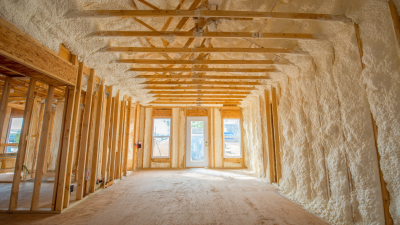
Types of Insulation Boards: Comparing Material Properties and Performance

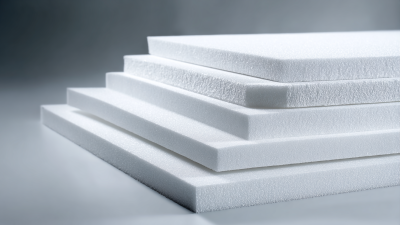
When selecting insulation boards for home improvement projects, understanding the various types and their respective properties is crucial. Commonly used materials include polystyrene, polyisocyanurate, and fiberglass. Polystyrene insulation boards, known for their lightweight and moisture resistance, boast an R-value of 3.6 to 4.2 per inch, making them effective for maximizing thermal efficiency. In contrast, polyisocyanurate boards often provide higher R-values, reaching up to 6.5 per inch, which can be particularly beneficial for reducing energy costs in areas requiring maximum insulation performance, such as attics and basements.

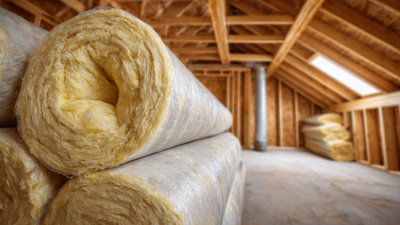
Fiberglass insulation boards serve as another viable option, offering a similar R-value range of 2.9 to 4.3 per inch, depending on the specific density and composition. However, fiberglass is known for being slightly less effective when it comes to air sealing compared to rigid foam options. According to the U.S. Department of Energy, improper installation can significantly diminish the effectiveness of all insulation types, emphasizing the importance of professional installation to ensure optimal performance. Therefore, when comparing insulation boards, evaluating factors such as R-value, moisture resistance, and application suitability is essential for making an informed purchase that aligns with your energy efficiency goals.

Top Tips for Choosing the Best Insulation Board for Your Home Improvement Needs

This bar chart displays the R-Value per inch for various types of insulation boards. A higher R-Value indicates better thermal resistance, helping you make an informed decision for your home improvement needs.

Understanding R-Value: How Insulation Effectiveness is Measured

Top Tips for Choosing the Best Insulation Board for Your Home Improvement Needs

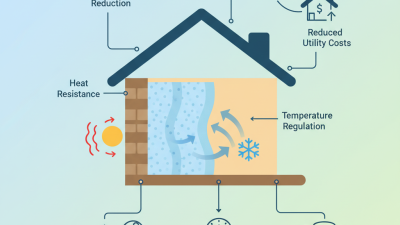
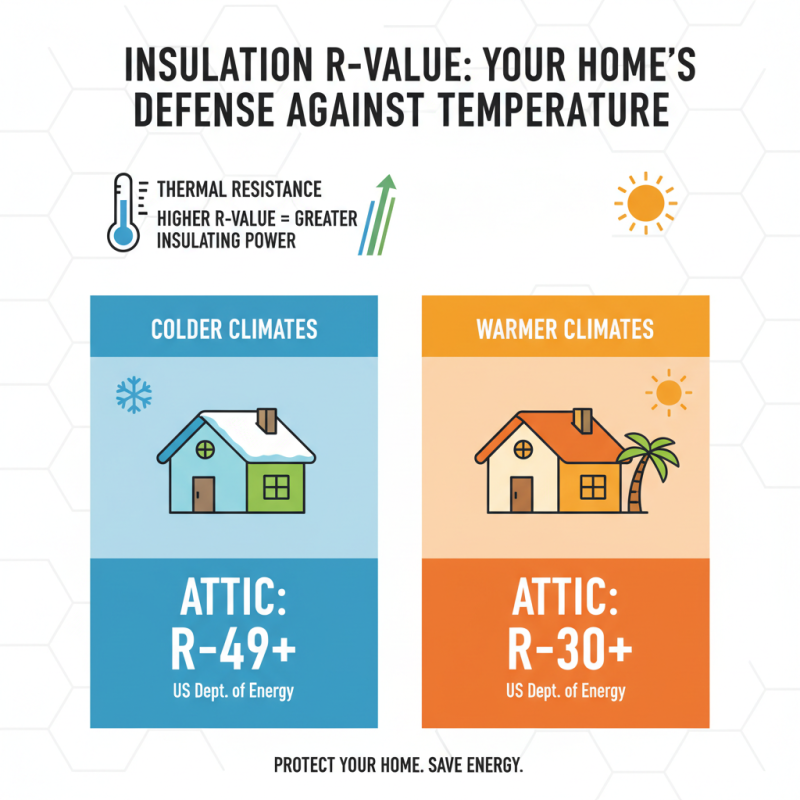
When selecting insulation boards for home improvement, understanding R-Value is crucial, as it directly informs you about the effectiveness of the insulation material. R-Value, which measures thermal resistance, reflects the ability of the insulation to resist heat flow. The higher the R-Value, the greater the insulating power, which is particularly important in regions with extreme temperatures. According to the U.S. Department of Energy, for example, homes in colder climates typically benefit from insulation with an R-Value of 49 or higher in the attic, while in warmer climates, an R-Value of 30 is generally sufficient.

Moreover, different insulation materials offer distinct R-Values per inch of thickness. Expanded polystyrene (EPS) and rigid fiberglass boards, for instance, usually provide between R-4 and R-7 per inch, making them suitable for both walls and roofs. A report from the Oak Ridge National Laboratory highlights that improper insulation can lead to energy losses of up to 30% in a home, emphasizing the importance of choosing materials with appropriate R-Values based on your local climate. By carefully considering the R-Value of insulation boards, homeowners can significantly enhance energy efficiency, reduce heating and cooling costs, and create a more comfortable living environment.

Cost Analysis: Budgeting for Insulation Board Installation and Savings

When considering insulation board installation, a thorough cost analysis is essential for effective budgeting. According to the U.S. Department of Energy, proper insulation can reduce heating and cooling costs by 20-30%. This translates to potential annual savings between $200 to $400 for an average-sized home. The initial investment in high-quality insulation boards may range from $0.50 to $2.50 per square foot, depending on the material and its R-value, which measures thermal resistance. Selecting the right insulation ensures not only energy efficiency but also long-term financial savings.

Furthermore, it’s important to factor in installation costs, which can vary widely based on local labor rates and the complexity of the job. According to HomeAdvisor, the average cost for insulation installation typically ranges between $1,600 and $2,000. However, many homeowners find that the return on investment (ROI) can be substantial, often recouping costs through reduced energy bills within just a few years. Additionally, some utility companies offer rebates for energy-efficient upgrades, further enhancing the financial advantages of investing in insulation board.

Environmental Impact: Choosing Eco-Friendly Insulation Options for Homes

Top Tips for Choosing the Best Insulation Board for Your Home Improvement Needs

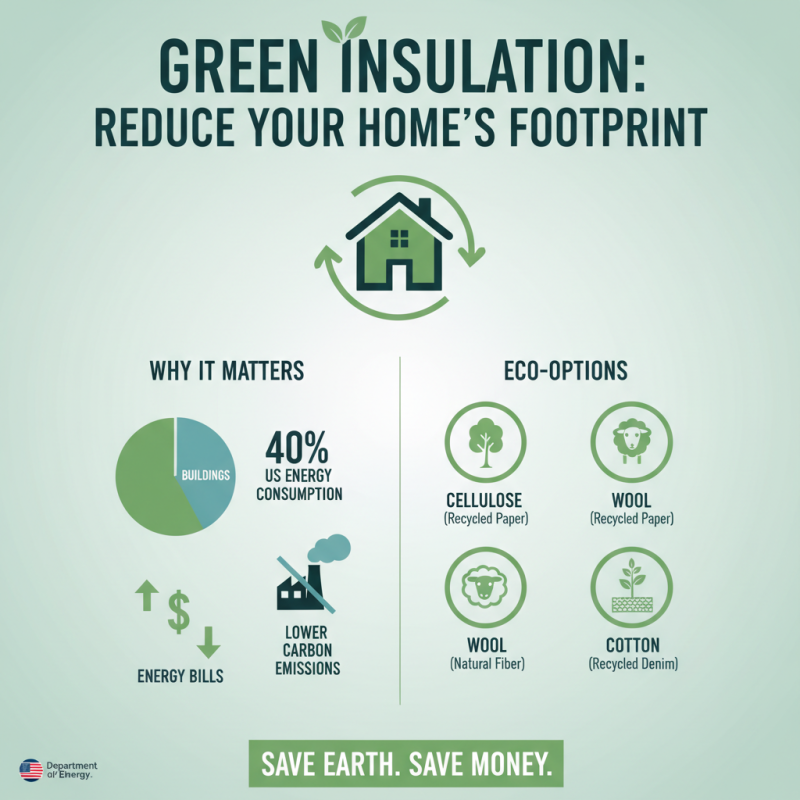
Choosing insulation for your home is not just about efficiency and cost; it also has significant environmental implications. Eco-friendly insulation options have gained traction as homeowners become more conscious of their carbon footprints. According to the U.S. Department of Energy, buildings are responsible for approximately 40% of the nation’s total energy consumption. By selecting sustainable insulation materials, you can help reduce this footprint while enhancing your home's energy efficiency.

When considering eco-friendly insulation, materials such as cellulose, made from recycled paper products, and sheep's wool, a natural and biodegradable option, are excellent choices. Research conducted by the Green Building Council reports that using cellulose can save 20% more energy over its lifespan compared to traditional fiberglass insulation. Additionally, sheep’s wool insulation is not only sustainable but also provides superior thermal performance and moisture regulation, which can lead to healthier indoor air quality. Importantly, by opting for these materials, homeowners contribute to a circular economy that prioritizes resource conservation and waste reduction, ultimately fostering a more sustainable environment for future generations.

LSP App

Download the LSP App now

Scan QR code to download the app

We use cookies to personalize content, utilize website traffic analytics & support our marketing initiatives. By continuing to browse our site you consent to receive our cookies. For more information see our Privacy Statement
Ok