Choosing Zinc Die Cast Parts is not just a matter of comparing unit prices. Alloy selection, part geometry, tooling, surface finish, and production volume all affect cost and performance. The scale is substantial: the U.S. Geological Survey’s Mineral Commodity Summaries 2025 estimated worldwide zinc mine production at about 12 million metric tons in 2024. That figure describes raw material, not the supply of finished castings, so it cannot confirm a supplier’s capacity or lead time. Buyers need to check those details directly.
Zinc alloys are often selected for precise, repeatable components with fine features, such as small housings, handles, and connectors. The North American die casting Association’s product standards offer useful reference points for specifications and inspection. Still, a standard cannot replace a clear drawing, agreed tolerances, and a review of the intended operating conditions. Ask how the supplier controls porosity, dimensions, and finish, and request relevant inspection records or sample parts. Small details matter.
A low quote can still become expensive. Tooling charges, minimum order quantities, secondary machining, and coating requirements may change the total cost. Some buyers overlook packaging and shipping, too. Before placing an order, compare the full delivered cost and confirm how defects will be handled. These seven tips help buyers ask sharper questions, assess suppliers with evidence, and choose Zinc Die Cast Parts that suit the application—not just the spreadsheet.
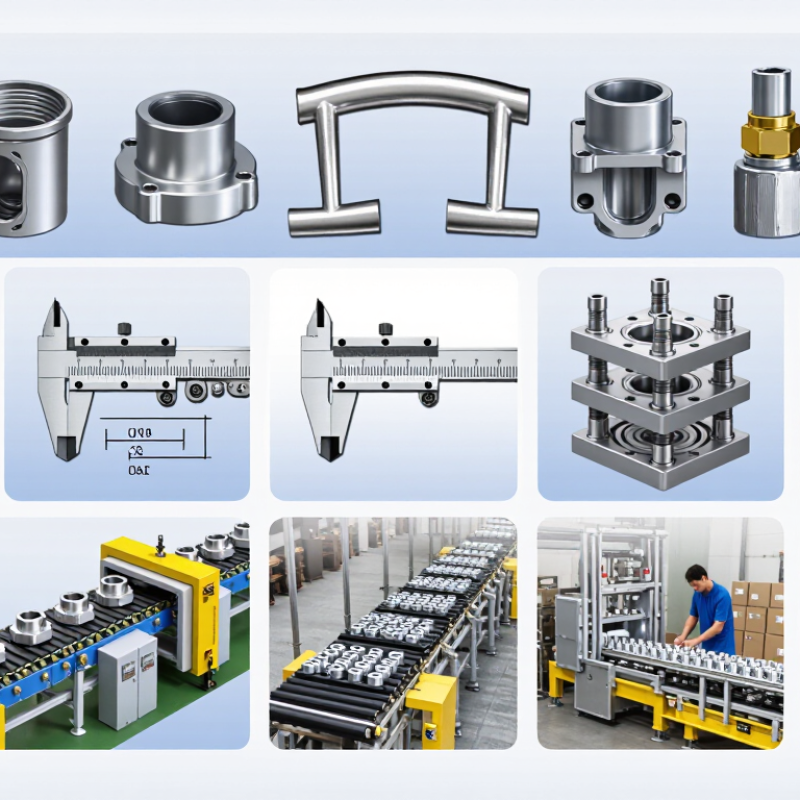
Before requesting a quote for zinc die cast parts, describe the job the part must do. Will it hold a small motor, cover a connector, or support a frequently handled control? The answer affects material choice, wall thickness, and where strength matters most. Be specific. “Must be durable” is not a usable requirement.
Record the overall dimensions, mounting points, mating surfaces, and critical tolerances on a drawing. A hole that aligns with a screw may need tighter control than a hidden outer edge. Include expected loads, operating temperature, exposure to moisture or chemicals, and any required surface finish. For example, a part used near a warm motor may need different performance checks than an indoor decorative housing. Ask the casting supplier to review features such as thin walls, sharp corners, and deep pockets; these can influence filling, tooling, and consistency. Not every detail will be known at the start. That is normal, though assumptions should be marked clearly and tested with sample parts. A short checklist beats a vague specification. During evaluation, measure critical dimensions on actual castings and check fit in the assembled product. Small gaps can matter. So can a finish that looks fine under bright inspection lights but varies in everyday use.
Zinc alloy choice should follow the part’s job, not a supplier’s default. Zamak 3 is widely used when stable dimensions, surface finish, and general-purpose strength matter. Zamak 5 adds strength and hardness, but its lower ductility may complicate thin clips or snap features. For higher loads, compare ZA alloys and confirm their casting requirements with the foundry. Small details matter.
Process choice shapes cost and consistency. Hot-chamber die casting suits many standard zinc alloys and supports fast, repeatable cycles. Alloys with higher aluminum content may need cold-chamber equipment, so confirm machine compatibility before approving a quote. NADCA’s Product Specification Standards provide alloy-specific property and tolerance guidance; use them alongside the actual drawing, especially for thin walls, ribs, and tight bores. A polished sample can hide draft or ejection marks. Inspect the production-intent tool.
Availability deserves a check, too. The USGS Mineral Commodity Summaries 2024 estimated global zinc mine production at about 12 million metric tons in 2023, but that figure does not guarantee local access to a specific casting alloy. Ask the supplier to state the alloy designation, process, expected porosity controls, and inspection method. I would also question any quote that promises tight tolerances without naming measurement locations. One overlooked datum can shift the whole fit.
A supplier’s experience matters most when it matches your part’s real challenges. Ask about projects using similar zinc alloys, wall thicknesses, and tolerances. Years in business alone tell you little. Request examples of how the supplier handled porosity, flash, or inconsistent dimensions on comparable components. You do not need confidential drawings; a clear technical discussion can reveal practical knowledge. Listen for specific answers, not polished promises.
Inspect the production setup, too. Ask how often dies are maintained and how operators monitor metal temperature and machine settings. A clean, orderly cell is encouraging, but it does not prove consistent output. Ask to see maintenance records or a recent process check. Small details matter. If possible, review a sample part under good lighting and check edges, surface finish, and critical dimensions. One sample cannot predict every production run, but it can start a useful conversation.
Quality controls should be visible in records, not just described in a brochure. Ask how incoming material, first-off parts, and routine production are checked. Confirm which gauges are used, how often they are calibrated, and what happens when a measurement falls outside specification. For high-risk features, ask whether inspection can include an appropriate method, such as X-ray testing. Not every part needs it. I have found that buyers sometimes focus too heavily on inspection promises and too little on process stability; that is worth reconsidering. Request sample inspection reports before approving production.
A die-cast quote should separate tooling, sampling, finishing, and the price per part. Ask how many cavities the tool has, what maintenance is included, and who pays for repairs. A four-cavity die may lower unit costs, but only if demand can keep it busy. The volume changes everything. For illustration, a $20,000 tool adds $0.40 per part across 50,000 pieces, or $0.10 across 200,000. These are calculations, not market quotes. Compare suppliers using the same alloy, tolerances, surface finish, and annual quantity.
The USGS Mineral Commodity Summaries 2025 estimates 2024 global zinc mine production at about 12 million metric tons. That signals a large commodity supply, not a guaranteed part price: alloy premiums, scrap recovery, energy, and casting yield still affect the quote. NADCA’s Product Specification Standards for Die Castings can help frame tolerance and design discussions before tooling begins. Request a cost breakdown at several volumes, such as 10,000, 50,000, and 200,000 parts, and check whether setup or inspection charges change between them. I would also ask for a written estimate of tool life. It is easy to compare unit prices and overlook a costly replacement.
Illustrative cost model for a 100 g part. Compare one-time tooling amortization with recurring production cost at different order volumes.
How to read it: The model assumes $12,000 in tooling and $0.80 recurring cost per part. As volume increases, tooling cost is spread across more parts, reducing the estimated total cost per part. Actual quotes vary with part geometry, alloy, finishing, tolerances, tooling life, and order terms.
Before approving zinc die cast parts, ask for a written finish schedule, not a vague promise of “good appearance.” The supplier should state the coating or plating type, color range, gloss level, and any masked areas. Small details matter. Request samples made using the actual production process, then inspect them under your facility’s lighting. Finish buildup can affect threaded holes and mating faces, so confirm dimensions after finishing, not only on raw castings. Keep an approved sample for comparison. I would not trust a glossy sample alone; it can hide pores, edge wear, or uneven coverage.
For compliance, request material declarations, process records, and test reports that match the part and its intended market. Check that documents identify the alloy, finish, revision, and production lot, where applicable. Do not assume a generic certificate covers every shipment. A brief review can catch mismatched revisions. Write down delivery terms: lead time, inspection points, packaging, freight responsibility, and procedures for delays or damaged cartons. Clarify when the clock starts, especially if tooling approval or sample sign-off remains open. Ask whether the quoted date includes finishing and final inspection. It may not. Set defect limits and agree how disputed parts will be reviewed before a large order. This feels fussy, but it can prevent arguments later.
| Buying Tip | What to Verify | Useful Evidence or Contract Detail |
|---|---|---|
| 1. Specify the zinc alloy and part requirements | Identify the required alloy designation, critical dimensions, tolerances, mechanical needs, and operating environment. Confirm the supplier can produce the geometry and wall sections required by the drawing. | Use a controlled drawing and agreed material specification. ASTM B86 covers zinc and zinc-aluminum alloy foundry and die castings; confirm the applicable requirements and edition for the project. |
| 2. Confirm finishing options early | Ask whether the part can be supplied with the specified finish, such as powder coating, wet paint, or an appropriate electroplated finish. Check appearance, corrosion needs, masking areas, and any effect on fit. | Request finish specifications, sample parts or approved samples, and written acceptance criteria for color, coverage, surface defects, and any specified coating thickness. Do not assume a finish is suitable for every zinc alloy or use environment. |
| 3. Check the complete finishing process | Establish who performs cleaning, surface preparation, coating, inspection, and packaging. Verify that the process is appropriate for zinc die castings and that finished parts will be protected from handling damage and corrosion in transit. | Document process ownership, inspection points, approved subcontracting arrangements, packaging method, and the procedure for approving any process or finish change. |
| 4. Define compliance for the destination market | State which substance restrictions and customer requirements apply. For applicable EU markets, assess relevant obligations under RoHS Directive 2011/65/EU, as amended, and REACH Regulation (EC) No 1907/2006. | Request current, part-relevant declarations and supporting material or test information where required. Confirm the scope, date, and applicable requirements; a general declaration should not be treated as proof for requirements it does not cover. |
| 5. Agree inspection and acceptance criteria | Specify how dimensions, visual appearance, material, and finish will be checked, including sampling, measurement methods, and treatment of nonconforming parts. | Attach the inspection plan or quality requirements to the purchase agreement. Identify required records, such as inspection reports, material documentation, and corrective-action responses. |
| 6. Confirm capacity, tooling, and delivery dates | Separate tooling lead time, sample approval, production lead time, and transit time. Confirm available capacity, order quantity assumptions, and how schedule changes or late deliveries will be handled. | Request a dated production schedule with milestones and a written quotation stating quantity, unit price, tooling charges, shipment date, and any conditions affecting the schedule. |
| 7. Make delivery terms precise | Name the delivery location and clarify who arranges transport, handles export or import formalities, pays relevant costs, and bears risk during shipment. | State the chosen Incoterms® 2020 rule and the precise named place or port in the order. Treat the agreed shipping term separately from the promised production and delivery dates. |
Scan QR code to download the app
LSP Products was founded by plumbers over 50 years ago with a focus on unparalleled innovation, superior product quality, and best-in-class service to the plumbing industry. Our primary focus is the new construction market where we develop products that make installations easy and provide significant cost savings to the plumbing/mechanical contractor. LSP has a manufacturing facility located in Monterrey, Mexico and a distribution center in Dallas, Texas. We are proud to offer many products designed and made in North America… About LSP
Submit the form below to receive the document via email.