What is Thermobreak Polyolefin Insulation and Its Benefits?

Thermobreak polyolefin insulation is a cutting-edge material widely used in building and construction. This insulation offers significant advantages due to its unique properties. According to a 2022 market analysis by Freedonia Group, the demand for advanced insulation materials is projected to grow by 5.4% annually. Thermobreak polyolefin insulation stands out for its effectiveness in reducing energy consumption, an essential factor in today's eco-conscious market.

Studies show that effective insulation can reduce heating and cooling energy use by as much as 30%. This is crucial as energy costs continue to rise. Thermobreak polyolefin insulation not only improves energy efficiency but also enhances comfort within buildings. Additionally, its lightweight and moisture-resistant characteristics make it suitable for various applications.

Despite these benefits, not all manufacturers adhere to high standards. It's vital to verify the quality and performance claims of insulation products. As building projects become more complex, understanding the nuances of thermobreak polyolefin insulation can mitigate potential pitfalls. These insights ensure that architects and builders select the right materials for lasting benefits.
What is Thermobreak Polyolefin Insulation and Its Benefits?

What is Thermobreak Polyolefin Insulation?

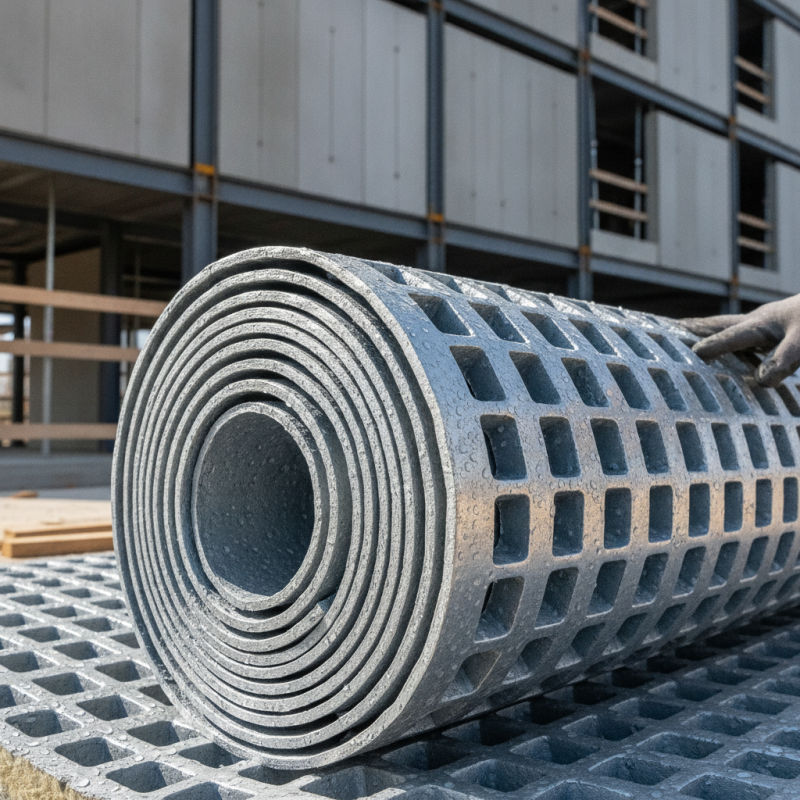
Thermobreak polyolefin insulation is a high-performance insulation material. It is made from closed-cell polyolefin foam, which provides exceptional thermal resistance. This insulation is lightweight and easy to handle during installation. Its smooth surface properties reduce dust accumulation, making it a hygienic choice for various applications.

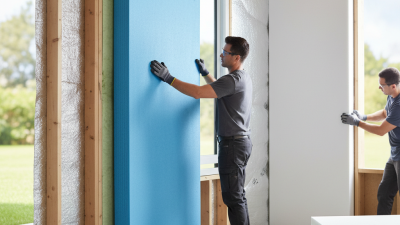
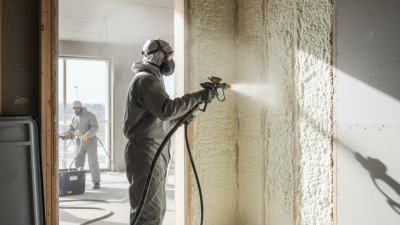
This type of insulation excels in energy efficiency. It effectively reduces heat transfer, which can lead to significant energy savings. Its durability withstands environmental factors, enhancing longevity. Installing Thermobreak may seem straightforward, but care is necessary. Ensure a tight fit to maximize thermal performance. Poor installation may lead to gaps, which can compromise insulation effectiveness.

Tips for choosing insulation include considering your local climate and application needs. Always assess the R-value for the best performance. Sometimes, the cheapest option may not provide the long-term savings you expect. Additionally, seek professional advice if unsure. Proper guidance can make a significant difference in outcomes, especially in complex projects. Always reflect on your choices carefully; they can affect energy costs for years.
Key Features of Thermobreak Polyolefin Insulation

Thermobreak polyolefin insulation has become a popular choice in various industries due to its impressive properties. Known for its lightweight and closed-cell structure, it boasts excellent thermal performance. Studies indicate that this insulation can reduce heat loss by up to 80% in specific applications. Its resilience to moisture adds to its appeal, making it suitable for both indoor and outdoor use.

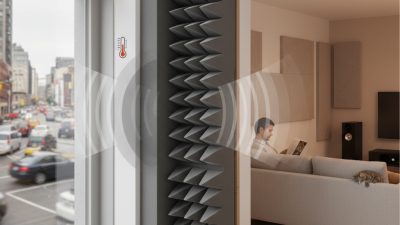
One notable feature is its sound insulation capability. Reports suggest that it can provide a noise reduction of 20 decibels, which is significant for environments needing acoustic control. The material also exhibits chemical resistance, ensuring longevity in harsh conditions. Thermobreak insulation is known for being easy to handle and install, reducing labor costs in construction projects. Yet, despite these benefits, there are concerns about its environmental impact. While it performs well, the sourcing of materials can raise questions about sustainability.

Another important aspect is fire safety. Although it complies with various standards, some critics highlight the need for ongoing assessments in real-world conditions. This underscores the importance of proper installation and adherence to safety guidelines. As industries keep evolving, ongoing research is crucial to enhance the features of thermobreak insulation. Balancing performance with environmental responsibility will be a challenge to address in future developments.

Benefits of Using Thermobreak Polyolefin Insulation

Thermobreak Polyolefin Insulation is gaining traction in various industries due to its impressive performance characteristics. This type of insulation is particularly effective in reducing thermal conductivity. According to a report by the National Insulation Association, insulation can reduce energy consumption by up to 30%. This reduction translates to significant cost savings for users, especially in large-scale applications.

Another advantage of Thermobreak insulation is its moisture resistance. A study from the ASHRAE indicates that moisture can decrease the effectiveness of traditional insulation materials. Thermobreak’s closed-cell structure prevents moisture infiltration, maintaining its thermal efficiency over time. This resilience is crucial for environments where humidity is a concern. Additionally, the lightweight nature of this insulation makes it easier to handle and install, reducing labor costs.

Despite its benefits, there are considerations to be aware of. The initial cost of Thermobreak insulation may be higher compared to other options. However, the long-term savings and performance typically justify the investment. Users should also ensure proper installation to maximize benefits. Improper installation can lead to air gaps, diminishing the insulation's effectiveness. Ensuring thorough training and qualified professionals is essential for achieving optimal results.

What is Thermobreak Polyolefin Insulation and Its Benefits?

Property Description Benefits
Thermal Conductivity Low thermal conductivity material that effectively reduces heat transfer. Improves energy efficiency in buildings, lowering heating and cooling costs.
Moisture Resistance Inherently resistant to moisture and condensation. Prevents mold and mildew growth, ensuring healthier indoor air quality.
Lightweight Easy to handle and install due to low weight. Saves labor costs and time during installation.
Chemical Resistance Resistant to a wide range of chemicals and pollutants. Enhanced durability and longevity in various environments.
Fire Performance Meets various fire safety standards. Increases safety and reduces fire risk in buildings.

Applications of Thermobreak Polyolefin Insulation in Various Industries

Thermobreak polyolefin insulation has gained traction across various industries. Its versatility and performance make it a preferred choice. In construction, it provides thermal insulation that helps reduce energy consumption. This is crucial in buildings where managing temperature is vital.

In the HVAC industry, Thermobreak is invaluable. It helps improve system efficiency, reducing operational costs. Pipe insulation is another key application. Using this material on pipes prevents heat loss, leading to energy savings. However, some may overlook its application in older buildings. Retrofitting these structures can pose challenges, but the benefits are significant.

The food and beverage industry also benefits from this insulation. It maintains temperature control during production and storage. Yet, the decision to switch materials is not always straightforward. Some locations might face logistical issues with installation. Despite these challenges, the long-term benefits often justify the initial effort.

Comparative Analysis with Other Insulation Materials

What is Thermobreak Polyolefin Insulation and Its Benefits?

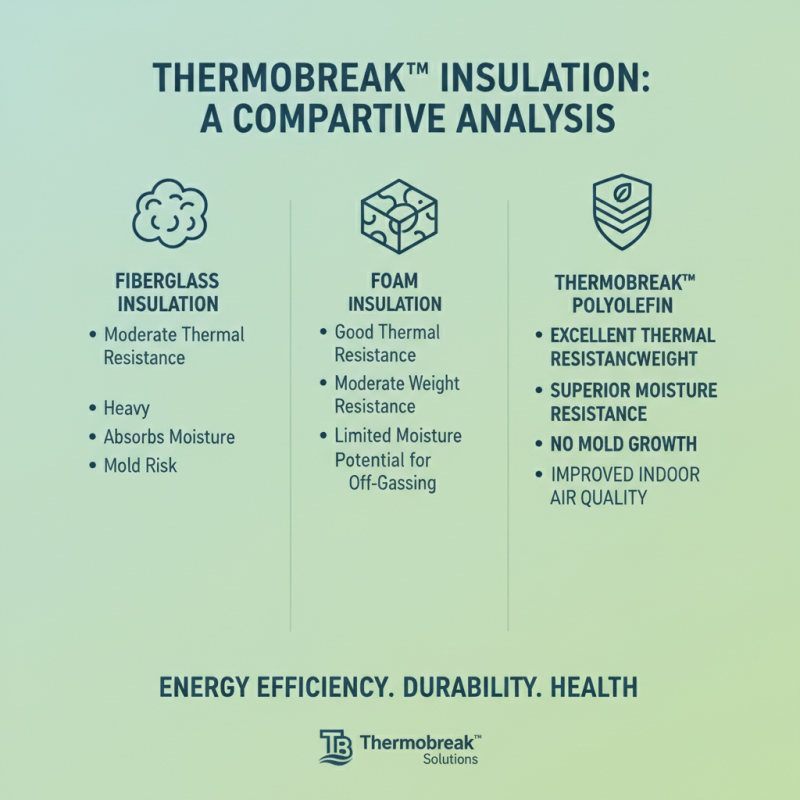
Thermobreak polyolefin insulation is gaining attention due to its unique properties. It provides excellent thermal resistance, crucial for energy efficiency. When compared to traditional insulation materials, such as fiberglass and foam, it stands out for its lightweight nature and moisture resistance. Unlike fiberglass, Thermobreak does not absorb water. This characteristic reduces the risk of mold growth, which can compromise indoor air quality.

In terms of longevity, Thermobreak shows promise. It can maintain its performance over time without degrading, unlike some foam insulations. However, it is essential to consider cost when making choices. While Thermobreak may have a higher initial price, its efficiency could result in savings on energy bills. Balancing upfront costs with long-term benefits remains a challenge for many.

Moreover, the installation process can be more complex than with traditional materials. Proper techniques are needed to ensure maximum performance. This complexity can lead to mistakes if not executed correctly. Ensuring an accurate application is vital in obtaining the full benefits, and it raises questions about DIY approaches versus professional assistance. Knowing these factors allows for more informed insulation decisions, highlighting the importance of expert consultation in the process.

LSP App

Download the LSP App now

Scan QR code to download the app

We use cookies to personalize content, utilize website traffic analytics & support our marketing initiatives. By continuing to browse our site you consent to receive our cookies. For more information see our Privacy Statement
Ok