What is a Thermal Shock Chamber and How Does It Work?

A Thermal Shock Chamber is essential in testing material resilience. It creates rapid temperature changes to evaluate performance. According to data from the American Society for Testing and Materials (ASTM), over 70% of product failures occur due to thermal stress. This statistic underscores the importance of understanding material behavior under extreme temperature fluctuations.

The Thermal Shock Chamber’s design allows for precise control. It exposes samples to cycles of extreme heat and cold. This process simulates real-world conditions that materials may encounter. However, not all materials withstand these conditions equally. Some fail unexpectedly, revealing weaknesses in design or manufacturing.

Furthermore, industry leaders often report a gap in predictive analytics for thermal shock testing. Companies frequently invest in this technology yet lack comprehensive data analysis methods. This raises questions about the effectiveness of current testing protocols. Improving predictive capabilities could significantly enhance product reliability and safety. Understanding the Thermal Shock Chamber’s function is crucial for any engineering field concerned with material durability.
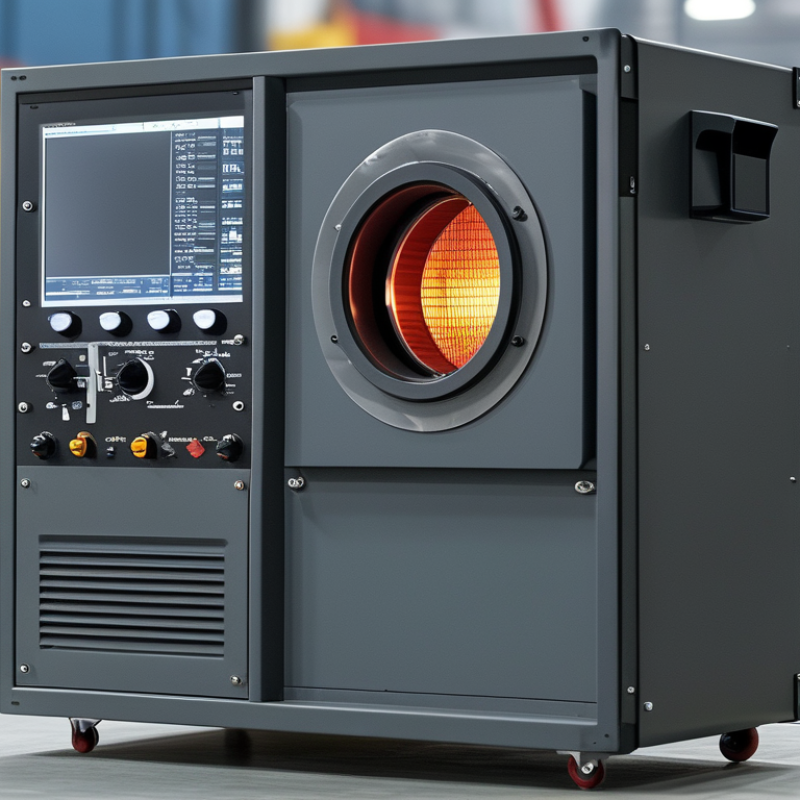
What is a Thermal Shock Chamber and How Does It Work?

What is a Thermal Shock Chamber and Its Purpose in Testing?

A thermal shock chamber is essential in testing materials and components for their ability to withstand abrupt temperature changes. These chambers create extreme temperature variations, exposing items to high heat followed by freezing conditions. This rapid cycling simulates real-world scenarios, such as electronic devices in fluctuating climates.

The purpose behind using a thermal shock chamber lies in its ability to test durability. Engineers evaluate how materials respond under stress. For example, glass and ceramics are often subjected to these conditions to identify breaking points. Unexpected failures in products can lead to significant costs and safety issues.

Reflecting on the testing outcomes can yield insights into material improvements. Perhaps a certain plastic component fails more often than expected. Understanding this allows engineers to rethink their choices. This iterative process not only enhances product design but also boosts overall reliability and performance. Identifying weaknesses can be challenging yet necessary for innovation.

Key Components of a Thermal Shock Chamber: An Overview

A thermal shock chamber is designed to test how materials react to rapid temperature changes. These machines play a crucial role in industries like aerospace, automotive, and electronics. Understanding its key components helps users maximize testing efficiency.

The main parts of a thermal shock chamber include the temperature control system, the testing chamber, and the sample holder. The temperature control system regulates the heat and cool cycles. It ensures precise transitions from extreme cold to heat. The testing chamber is insulated to maintain stable environmental conditions during tests. This design minimizes external influencers that could compromise results.

Sample holders securely position materials during testing. They must be durable and reliable to endure harsh conditions. Often, the design reflects a balance between accessibility and safety. Therefore, users should reflect on their specific needs when selecting a thermal shock chamber. Each component's effectiveness influences the overall performance of the testing. Understanding these components is essential for successful thermal testing processes.

How Does a Thermal Shock Chamber Operate? Understanding the Process

A thermal shock chamber is a vital tool for testing material performance under extreme temperature variations. It quickly transitions from high to low temperatures, mimicking conditions that materials may encounter in real-world applications. This testing helps industries gauge a product’s durability, reliability, and overall performance. According to a report by the American Society for Testing and Materials (ASTM), thermal shock testing can reveal critical failure points in materials, leading to improved designs.

The process begins with placing a sample in one section of the chamber. The chamber rapidly alters the temperature, usually between -65°C and +150°C. This abrupt temperature change creates stress that simulates environmental conditions. It is essential to monitor the rate of temperature change, ideal figures usually range from 10°C to 30°C per minute. Some materials resist shock well, while others fail quickly. A study noted a 30% failure rate in certain alloys during initial tests, emphasizing the need for thorough assessment.

It's crucial to acknowledge that not all materials perform consistently. Factors such as size and composition can influence outcomes. Consulting with experts in material science is beneficial. They can provide insights into specific tests tailored to unique conditions. Understanding the limitations and potential pitfalls in testing can lead to better results and innovations in material science. Careful analysis of these processes ensures that products meet stringent safety and quality standards across industries.

Applications of Thermal Shock Chambers in Various Industries

Thermal shock chambers play a vital role in many industries by simulating extreme temperature changes. These chambers expose materials to drastic thermal variations, testing their durability. In aerospace, for example, components must withstand rapid temperature swings during flight. A report from the Aerospace Industries Association reveals that 70% of failures occur during these conditions.

In the electronics industry, thermal shock testing ensures reliability. Devices face unpredictable environments. A study by the International Electrotechnical Commission found that nearly 40% of electronic failures are linked to thermal stresses. Testing under thermal shock conditions helps identify weaknesses early. Engineers often analyze failure points to enhance product design.

Automotive manufacturers also rely on thermal shock chambers to improve component resilience. For instance, rubber seals must endure temperature shifts from hot to cold. Research by the Society of Automotive Engineers indicates that effective thermal testing can reduce warranty claims by up to 30%. However, some manufacturers overlook this crucial step, leading to costly setbacks. Improvements can be made by integrating more comprehensive testing protocols and addressing common failings in existing practices.

Key Performance Metrics and Standards for Thermal Shock Testing

Thermal shock testing evaluates the durability of materials and components under extreme temperature fluctuations. Various industries rely on this testing to ensure product reliability. Key performance metrics include temperature range, cycle time, and temperature change rate. For example, a typical thermal shock chamber may operate between -40°C and 150°C, achieving temperature shifts in less than two minutes.

Standards such as MIL-STD-810 and IEC 60068-2-14 set the benchmark for thermal shock testing. These standards ensure that products meet specific requirements. They help assess how materials handle rapid temperature changes, providing critical insights for manufacturers. Some reports indicate that approximately 30% of products fail thermal shock tests. This highlights the importance of rigorous testing protocols.

Unexpected results can arise during testing. Factors such as material composition and construction methods play vital roles. An unexpected failure may prompt a redesign of the product. It emphasizes the need for continuous improvement in testing methods. Recognizing the limitations of current practices remains essential for the industry's advancement.

What is a Thermal Shock Chamber and How Does It Work? - Key Performance Metrics and Standards for Thermal Shock Testing

Metric Description Standard Value Typical Application
Temperature Range The range of temperatures a thermal shock chamber can achieve. -70°C to +150°C Electronics and Components Testing
Cycle Time Time taken to switch from one extreme temperature to the other. Less than 5 minutes Material & Product Reliability Testing
Humidity Control Ability to control humidity levels during testing. 20% to 95% RH Aging Tests for Protective Coatings
Sample Size Capacity The amount and size of samples the chamber can accommodate. Up to 1000 cm³ Packaging and Small Parts Testing
Compliance Standards Standards that the thermal shock chamber complies with. MIL-STD-810, IEC 60068 Automotive and Aerospace Testing
LSP App

Download the LSP App now

Scan QR code to download the app

We use cookies to personalize content, utilize website traffic analytics & support our marketing initiatives. By continuing to browse our site you consent to receive our cookies. For more information see our Privacy Statement
Ok