Why Spray Foam Insulation is the Best Solution for Energy Efficiency in Your Home
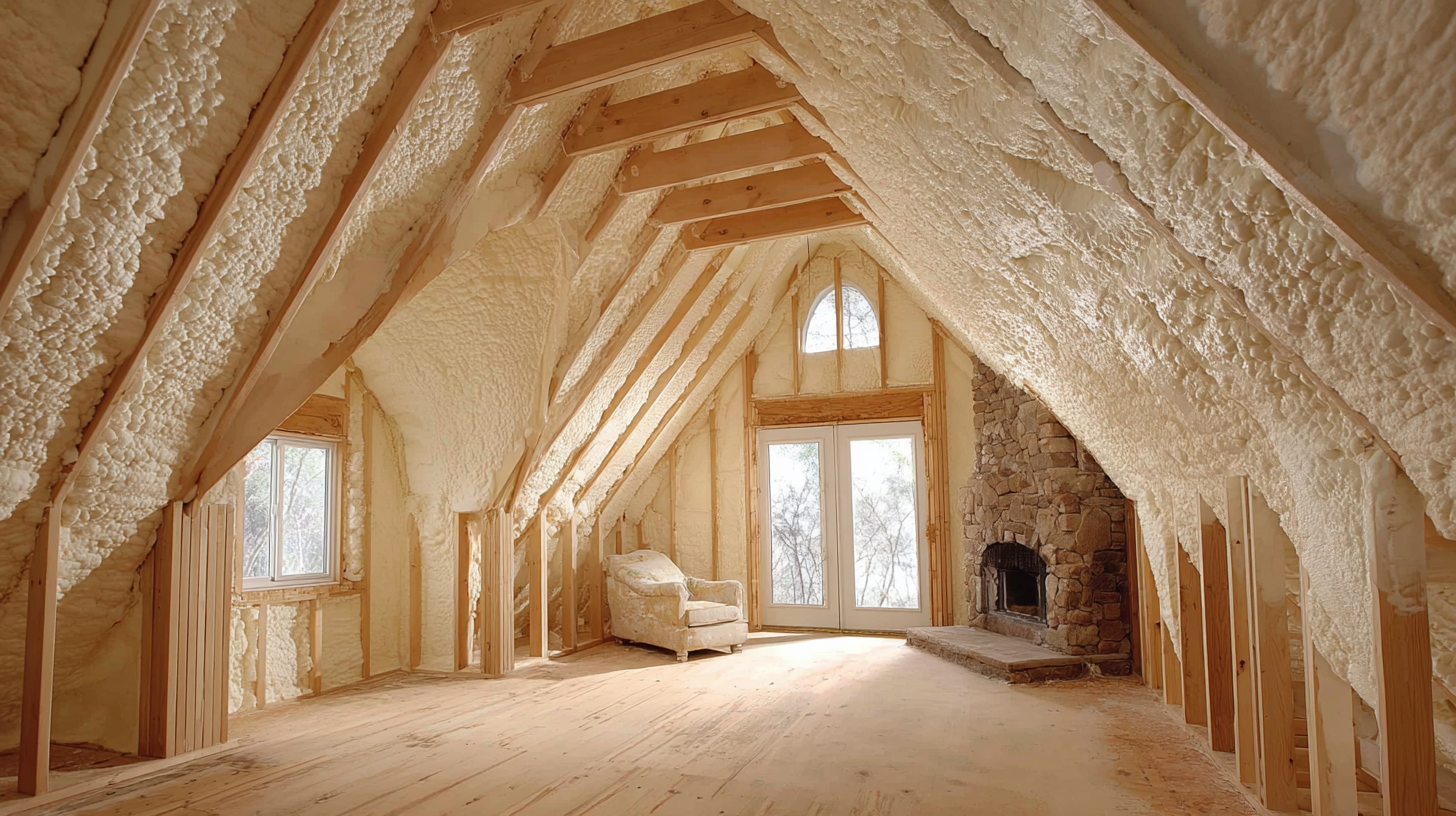 In the pursuit of energy efficiency in home construction and renovation, one solution stands out prominently:
spray foam insulation. According to the U.S. Department of Energy, proper insulation can reduce heating and cooling costs by up to
20%, and spray foam insulation has proven to be one of the most effective ways to achieve these savings.
Unlike traditional insulation methods, spray foam insulation expands on application, filling gaps and creating an airtight seal that prevents air leaks,
which are responsible for a significant percentage of energy loss in homes.
In the pursuit of energy efficiency in home construction and renovation, one solution stands out prominently:
spray foam insulation. According to the U.S. Department of Energy, proper insulation can reduce heating and cooling costs by up to
20%, and spray foam insulation has proven to be one of the most effective ways to achieve these savings.
Unlike traditional insulation methods, spray foam insulation expands on application, filling gaps and creating an airtight seal that prevents air leaks,
which are responsible for a significant percentage of energy loss in homes.
Further supporting its advantages, the North American Insulation Manufacturers Association (NAIMA) reports that homes insulated with spray foam can have
an improved R-value, an indicator of thermal resistance. High R-value means better insulation performance,
which is particularly beneficial in extreme climates. Additionally, the longevity and durability of spray foam insulation—compared to fiberglass or cellulose—make
it a cost-effective choice, as homeowners benefit from reduced energy bills over time while enjoying a more comfortable living environment.
Therefore, leveraging spray foam insulation not only enhances energy efficiency but also promotes sustainable living practices.
Benefits of Spray Foam Insulation for Energy Efficiency
Spray foam insulation offers numerous benefits that significantly enhance the energy efficiency of your home. One of the key advantages is its ability to create an effective air barrier. Unlike traditional insulation materials, spray foam expands upon application, filling gaps and cracks that can allow air infiltration. This not only reduces drafts but also minimizes the energy needed for heating and cooling, thus leading to lower utility bills.
Additionally, spray foam insulation has a high R-value, which measures its thermal resistance. This means that it provides superior insulation compared to many alternatives, ensuring that your home stays warmer in the winter and cooler in the summer. Furthermore, it can help in reducing noise transmission, creating a more comfortable living environment. The long-lasting nature of spray foam also means that homeowners won’t need to replace it frequently, adding to its cost-effectiveness over time while maintaining high energy efficiency.
Why Spray Foam Insulation is the Best Solution for Energy Efficiency in Your Home
| Benefit |
Description |
Energy Savings |
| Air Leakage Reduction |
Spray foam insulation expands upon application, filling gaps and cracks, which significantly reduces air leakage. |
Up to 50% reduction in heating and cooling costs. |
| Moisture Barrier |
Helps prevent moisture build-up, reducing the risk of mold and water damage. |
Improved home durability, reducing costly repairs. |
| Energy Efficiency |
High R-value per inch provides superior thermal performance compared to traditional insulation. |
Can lower energy bills by 20-40% annually. |
| Sound Dampening |
Absorbs sound, making homes quieter and more comfortable. |
Enhanced comfort without the need for additional soundproofing materials. |
| Long Lasting |
When properly applied, spray foam insulation can last the lifetime of the building. |
Minimal maintenance required, leading to sustained energy savings. |
Comparison of Spray Foam Insulation to Traditional Insulation Options
When considering insulation options for energy efficiency, it's essential to compare
spray foam insulation with traditional choices like fiberglass and cellulose.
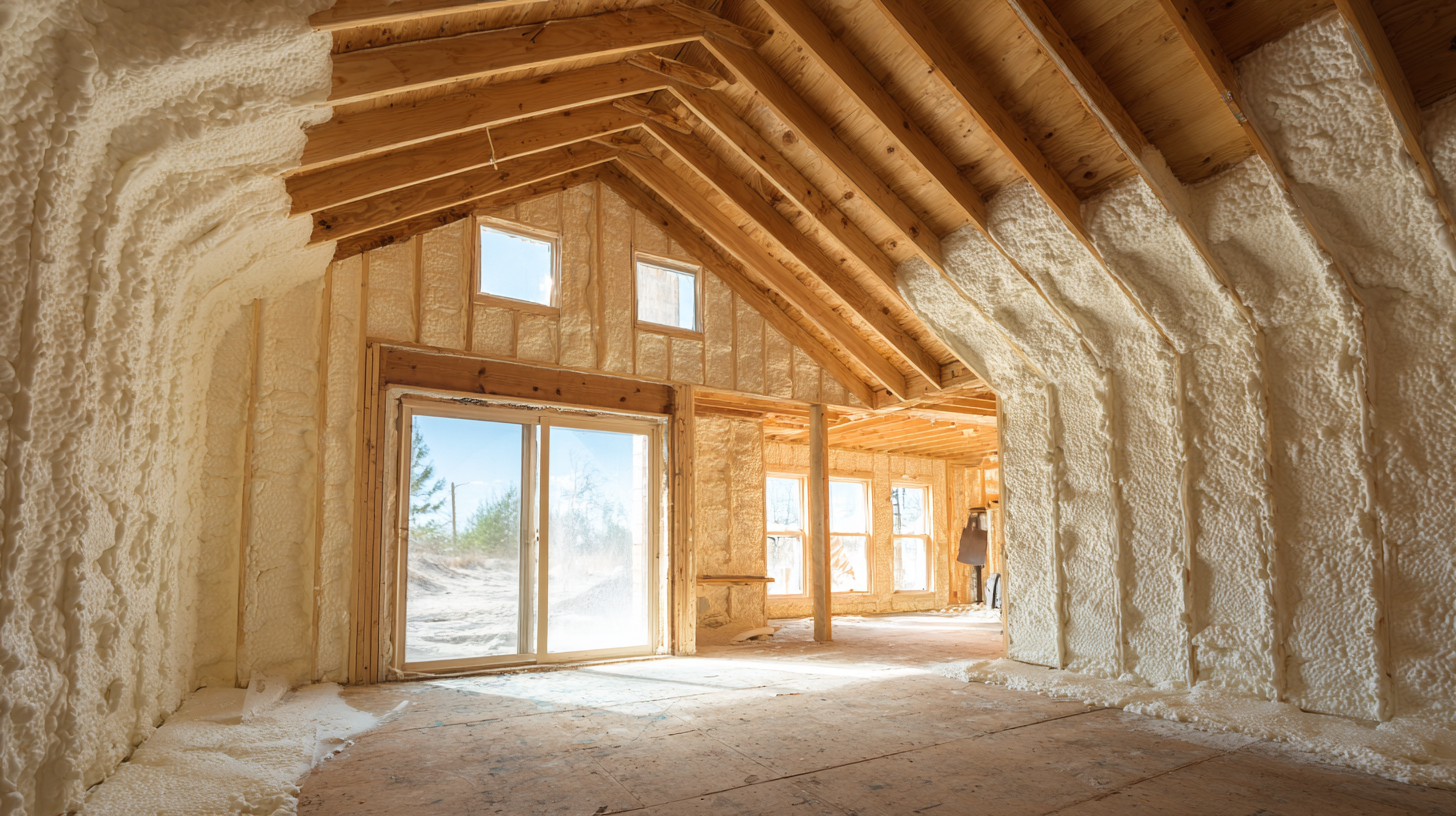
Spray foam insulation is unique in its ability to expand upon application, filling even the tiniest gaps and
crevices, which enhances its air-sealing properties. This expansion creates a powerful barrier that minimizes airflow,
thus significantly reducing energy loss and improving overall climate control within the home.
In contrast, traditional insulation materials often rely on loose fittings or layering, which can leave spaces that allow for
drafts and thermal bridging. Fiberglass batts, for instance, may sag over time, creating
gaps that diminish their effectiveness. Cellulose, while an eco-friendly option, can settle and lose its insulating power as well.
Additionally, spray foam insulation acts as a moisture barrier, preventing mold growth
and providing better protection against moisture-related issues compared to its traditional counterparts. This makes spray foam
not only a more efficient solution but also a more sustainable one in the long run.
How Spray Foam Insulation Reduces Air Leakage and Utility Costs
Spray foam insulation is increasingly recognized as a top-tier solution for enhancing energy efficiency in residential settings. One of the primary benefits lies in its ability to significantly reduce air leakage, which is often a major contributor to high utility costs. According to the U.S. Department of Energy, air leaks can account for 25-30% of a home's heating and cooling costs. By creating an airtight seal, spray foam insulation minimizes these leaks, leading to a more consistent indoor temperature and reduced energy consumption.
Additionally, studies published by the American Society of Heating, Refrigerating and Air-Conditioning Engineers (ASHRAE) suggest that homes insulated with spray foam can achieve overall energy savings of up to 50% compared to those using traditional insulation methods. This is because spray foam expands upon application, filling gaps and cracks that conventional insulation may miss, thereby preventing conditioned air from escaping. This enhanced thermal performance not only decreases reliance on HVAC systems but also contributes to a lower carbon footprint, making it a sustainable choice for homeowners aiming for energy efficiency.
Long-Term Energy Savings Achieved with Spray Foam Insulation
Spray foam insulation is rapidly gaining recognition for its remarkable ability to enhance energy efficiency within homes, leading to substantial long-term energy savings. Unlike traditional insulation materials, spray foam expands on application, filling gaps and crevices that other methods may miss. This creates an airtight seal that significantly reduces air leakage, ensuring that heating and cooling systems operate more efficiently. As a result, homeowners can expect lower energy bills, especially in regions with extreme weather conditions where energy usage tends to spike.
The long-term benefits of spray foam insulation extend beyond immediate cost savings. By reducing the strain on HVAC systems, it not only lowers energy expenses but also prolongs the life of these systems, leading to decreased maintenance and replacement costs. Additionally, many spray foam products include a high R-value, which translates to superior thermal resistance. This means that homes remain comfortable year-round, and the efficient energy use contributes to a reduced carbon footprint, aligning with environmentally conscious living. As such, investing in spray foam insulation proves to be a smart choice for homeowners looking to enjoy financial savings and contribute to sustainability.
Energy Efficiency Comparison of Insulation Types
Environmental Impact and Sustainability of Spray Foam Insulation
Spray foam insulation has emerged as a leading option for enhancing energy efficiency in homes, yet its environmental impact continues to be a focal point of discussion. Recent studies indicate that approximately 30% of all recovered polyurethane foam ends up in landfills, creating significant challenges for the construction industry due to its reluctance to biodegrade. This statistic highlights the necessity for improved waste management strategies within the industry, as the push for eco-friendly construction practices gains momentum.
Despite these challenges, innovations in the spray foam market are aimed at minimizing environmental harm. Research on sustainable building insulation materials is revealing ways to enhance energy efficiency while reducing the ecological footprint of foam products. For instance, many manufacturers are exploring alternative blowing agents that have lower global warming potential, promoting sustainability alongside performance. As environmental concerns become increasingly paramount, the focus on developing more sustainable solutions within the spray foam insulation sector is critical for its future growth and acceptance in eco-conscious markets.



 Skip to main content