What Is a Smart LED Light and How Does It Work?
A Smart LED Light is more than an efficient bulb with a mobile app. It combines a light-emitting diode, wireless communication, sensors, and programmable controls. Users can adjust brightness, color temperature, schedules, and sometimes occupancy responses from a phone or smart-home platform. The U.S. Department of Energy reports that LED products use at least 75% less energy than incandescent lighting. They can also last up to 25 times longer. These figures explain the technology’s appeal in homes, offices, hotels, and industrial spaces.
The “smart” layer changes the experience. A motion sensor can brighten a hallway when footsteps arrive. A daylight sensor can reduce output beside a sunny window. Connected systems may also provide energy data for facility managers. Dr. Nadarajah Narendran, a leading solid-state lighting researcher at Rensselaer Polytechnic Institute, has described LEDs as “not just a replacement technology, but an enabling technology.” That idea captures the shift from simple illumination to responsive environments.
However, the benefits are not automatic. The IEA 4E Solid State Lighting Annex emphasizes efficiency, quality, controls, and system design when evaluating modern lighting. Poorly designed automation can create glare, unstable color, or unnecessary wireless complexity. Compatibility problems can frustrate users, too. A Smart LED Light may save energy, but only when its settings match real behavior. That detail is easy to overlook. This guide examines how the technology works, what its components do, and where its promises need careful testing.
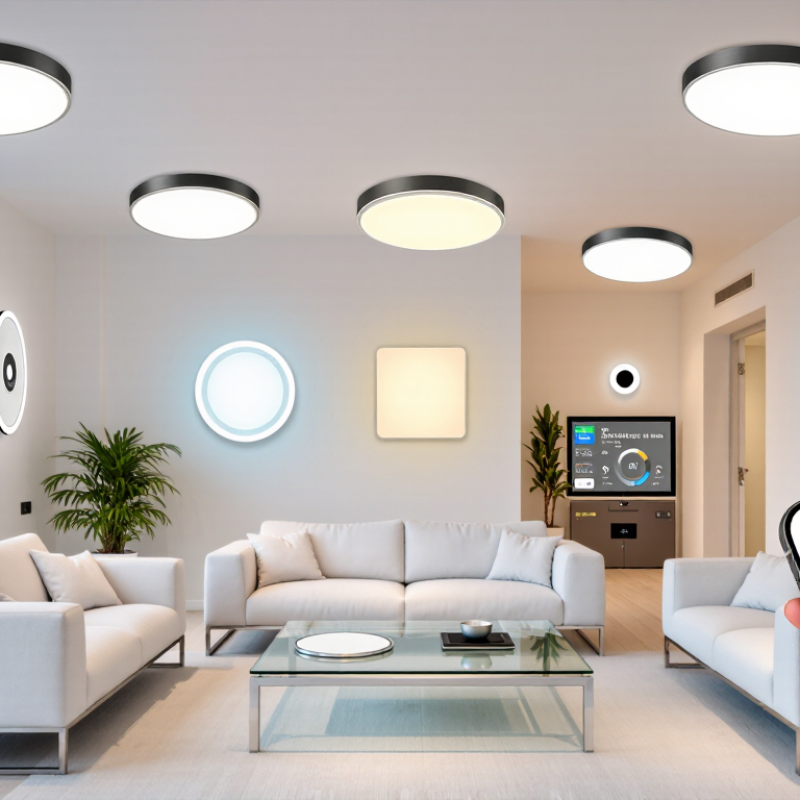
What Defines a Smart LED Light
A smart LED light is more than an efficient diode. It combines LED illumination with a digital control layer. That layer may include Wi-Fi, Bluetooth, sensors, scheduling, or voice commands. The defining feature is two-way communication. The light receives instructions and can report its status, power use, or faults. Without communication, remote control, or automation, it is usually only an LED lamp. The boundary is not always clear.
The U.S. Department of Energy reports that LED products use at least 75 percent less energy than incandescent lighting. Its guidance also states that LEDs can last up to 25 times longer. IEA reporting has estimated that lighting represents about 15 percent of global electricity consumption. These figures explain the appeal of efficient, connected lighting. However, smart functions can add standby demand. Savings depend on settings, sensor accuracy, and daily habits.
In a hallway, a presence sensor can brighten lights when someone enters, then reduce output after movement stops. In a bedroom, scheduled dimming can support a calmer evening routine.
A useful smart system should offer dimming, automation, local control, and interoperability. Security matters too. Encrypted connections, firmware updates, and clear data settings reduce practical risks. I would not call every app-controlled bulb truly smart. If it cannot respond reliably or work during an internet outage, its intelligence is limited. That test is useful, but not perfect.
The Main Components Inside a Smart LED Light
What Is a Smart LED Light and How Does It Work?
The Main Components Inside a Smart LED Light
A smart LED light combines illumination, electronics, and wireless control in one compact housing. Its LED chips convert electrical energy into light, while a driver regulates current and protects against voltage changes. The U.S. Department of Energy reports that LED products can use up to 75% less energy and last up to 25 times longer than incandescent lighting. These figures describe LED technology generally, not every smart model.
Inside the housing, a microcontroller interprets commands from an app, remote, or voice system. A wireless radio then sends and receives signals through a suitable home network. Some models include motion, brightness, or temperature sensors. A diffuser softens harsh points from the chips. A heat sink moves heat away from the circuit board. This part is easy to underestimate. Poor thermal design can reduce brightness and shorten service life. The International Energy Agency has reported that LEDs now represent more than half of global lighting sales, showing how quickly efficient lighting has become mainstream. Smart controls add convenience, but they also add electronic failure points.
Tips: Check the driver’s rated input voltage and dimming method before installation. Keep ventilation clear around enclosed fixtures. Test wireless range near the final socket, not beside the router. A technically impressive light can still feel disappointing if its color rendering looks unnatural. That remains a practical weakness worth considering.
How Smart LED Lights Receive and Process Commands
What Is a Smart LED Light and How Does It Work?
A smart LED light receives commands through a phone app, voice interface, sensor, or scheduled routine. The command usually travels through Wi-Fi, Bluetooth, or a low-power mesh network. A local hub or cloud server may authenticate and route that instruction. Then, the light’s microcontroller interprets the request.
The controller converts “dim to 40%” into electrical signals for the LED driver. That driver adjusts current through the light-emitting diodes. Color control works similarly, but it balances separate red, green, and blue channels. A timing signal, often based on pulse-width modulation, changes brightness quickly without visibly switching the lamp off.
It is a small computer.
In practical testing, response time depends on the communication path. A local command may feel nearly instant, while a cloud-dependent command can pause during weak internet service. The International Energy Agency reported in its Energy Efficiency 2023 analysis that LEDs represented about half of global lighting sales, showing how quickly efficient lighting has expanded. The U.S. Department of Energy also explains that LED systems can use substantially less energy than conventional lighting technologies.
However, “smart” does not always mean reliable. A crowded wireless channel, outdated firmware, or incompatible protocol can interrupt commands. I once assumed a delayed light had failed, but the real problem was network congestion. Better systems confirm device status and continue basic schedules locally. Still, users should check privacy settings and update software regularly. Convenience is useful, but it is not automatic perfection.
What Is a Smart LED Light and How Does It Work?
How Smart LED Lights Receive and Process Commands
A smart LED command typically travels through several stages: wireless delivery, command decoding, state updating, and LED output control. The values shown are representative processing times in milliseconds. Wireless communication usually accounts for most of the delay, while decoding and PWM-based brightness adjustment occur much faster inside the light.
Ways to Control and Connect Smart LED Lights
What Is a Smart LED Light and How Does It Work?
Ways to Control and Connect Smart LED Lights
A smart LED light combines efficient lighting with a small wireless controller. In daily use, you can adjust brightness, color temperature, or color from a phone. Some models also respond to voice commands through a compatible home assistant. The lamp must stay connected to power, even when the light appears off.
Wi-Fi connects the light directly to your home network. This method supports remote control, schedules, and automation when you are away. Bluetooth works well nearby and usually responds quickly, even without internet access. A hub can connect several lights and keep their controls organized. I have found that crowded wireless networks sometimes create delays.
The room went dark for two seconds.
Many smart LED lights use a mobile app for setup and control. You may create a bedtime schedule, set a gentle morning brightness, or group hallway lights together. A physical switch remains useful when your phone is unavailable. Some systems also connect through a shared smart-home standard, improving compatibility between devices.
Check the light’s voltage, network requirements, and privacy settings before installation. I once skipped the network check and had to reset the light twice.
Voice control is convenient, but clear device names matter. “Desk lamp” is easier to understand than “Light 3.”
Commands can still fail when the internet, router, or app service is unavailable.

 Skip to main content