What is a Precision Air Conditioner and How Does it Work?
Precision Air Conditioners play a crucial role in industries requiring strict temperature control. Unlike standard air conditioning systems, these units maintain precise temperatures and humidity levels. They are essential in data centers, hospitals, and laboratories, where minor fluctuations can damage sensitive equipment or affect critical processes.
These systems utilize advanced technology. For example, they often include features like variable cooling capacities and real-time monitoring. This adaptability makes them reliable for various applications. A well-designed Precision Air Conditioner must also address potential shortcomings, like energy efficiency. It is important to assess the long-term costs associated with their operation.
Understanding how a Precision Air Conditioner works can help businesses make informed decisions. This knowledge fosters trust and builds a strong foundation for investing in quality climate control systems. Recognizing the balance between precision and efficiency is key. Through careful evaluation, one can avoid common pitfalls that might arise from improper usage or poor installation.
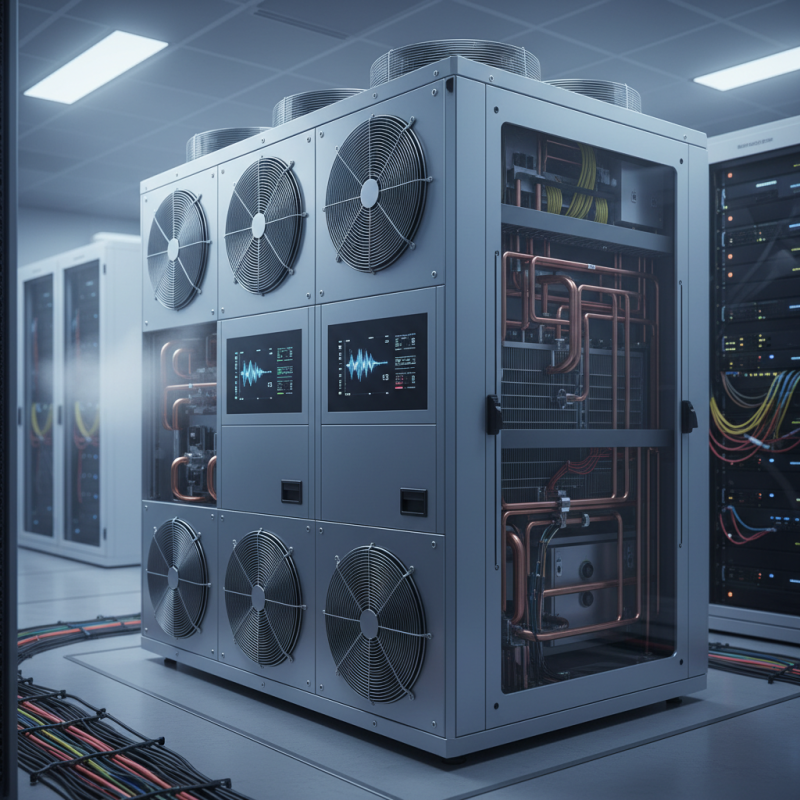
What Defines a Precision Air Conditioner in Modern Data Centers
Precision air conditioning is crucial for modern data centers. These facilities require stable, precise temperature control to protect sensitive hardware. Traditional HVAC systems often fail to maintain the strict temperature ranges needed. Industry reports indicate that data centers can lose approximately $7,000 per hour due to equipment overheating. This underscores the importance of precision cooling solutions.
A precision air conditioner typically operates with a higher efficiency than standard systems. It maintains temperatures within ±1°C, which is essential for mission-critical environments. Additionally, these systems often utilize advanced features like humidity control and airflow management. Research shows that incorporating precision cooling can reduce energy consumption by up to 30%. This energy efficiency is vital as data centers consume about 1-2% of global electricity, prompting discussions on sustainability.
Despite these benefits, installing precision air conditioning systems is not without its challenges. Initial costs can be significantly higher, which may deter some operators. Furthermore, ongoing maintenance requires specialized knowledge. As the industry evolves, balancing efficiency, cost, and reliability remains an area that needs careful consideration. Adopting precision cooling may present short-term hurdles, but the long-term benefits for data center performance cannot be ignored.
Precision Air Conditioner Efficiency in Data Centers
Key Components and Technologies Behind Precision Air Conditioner Design
Precision air conditioners are essential for maintaining optimal environments in sensitive settings. Their design relies on key components that ensure precise climate control. The core technology includes integrated circuits, humidity sensors, and advanced airflow systems. These elements work together to regulate temperature and humidity levels, creating a stable atmosphere.
One important aspect is the variable speed compressor. It adjusts to shifting cooling demands, conserving energy while maintaining performance. Additionally, precision air conditioners often incorporate advanced filtration systems. These systems enhance air quality, crucial for environments like data centers or laboratories.
Tips: Regular maintenance is vital. Check filters monthly to ensure efficiency. Pay attention to airflow; blockages can impact performance.
Humidity control is another consideration. Too much moisture can lead to equipment damage. Sensors help adjust humidity levels, based on real-time data.
It’s crucial to choose the right system based on your specific needs. Evaluate the space, equipment heat load, and cooling requirements. Misjudgments can lead to inefficiencies or insufficient cooling. Always consult with
professionals for tailored advice.
Operational Principles: How Precision Air Conditioners Regulate Temperature
Precision air conditioners are engineered to maintain strict temperature controls. Their operational principles rely on precise sensors and advanced algorithms. These systems adjust cooling based on real-time conditions. They monitor air temperature and humidity constantly. This feedback loop allows for quick corrections in cooling output.
Unlike standard air conditioning units, precision models excel in environments with sensitive equipment. Data centers and laboratories benefit greatly from such technology. The air conditioners can manage temperature variations that threaten equipment performance. However, even these systems are not foolproof. Calibration errors can occur, leading to suboptimal performance.
User error also plays a role. Improper settings can result in inadequate temperature regulation. Regular maintenance is crucial for optimal functionality. This includes cleaning filters and checking refrigerant levels. Awareness of potential pitfalls can enhance reliability. Users must understand their specific cooling needs to maximize system effectiveness.
Efficiency Metrics: Energy Consumption and Performance Standards in PACs
Precision air conditioners (PACs) are designed for critical environments. They maintain very specific temperature and humidity levels. These features are essential for data centers, laboratories, and manufacturing sites. However, operating a PAC efficiently requires careful attention to energy consumption and performance standards.
Energy efficiency is a significant aspect of PACs. They consume a lot of power, especially during peak operation. Metering and monitoring help facilities track energy use. By optimizing airflow and temperature settings, efficiency improves. Inaccurate settings can lead to excessive energy waste, which is costly. Understanding these metrics is crucial for effective management.
Performance standards for PACs vary by application. Some industries require strict compliance with regulations. Others focus more on cost-effectiveness. Choosing the right PAC involves weighing different performance metrics. It is essential to review energy efficiency ratings and environmental impacts. Striking a balance between performance and energy consumption often needs further investigation.
Applications and Benefits of Precision Air Conditioners in Critical Environments
Precision air conditioners (PACs) are essential in environments where temperature and humidity control are critical. These systems maintain stable conditions for sensitive equipment, such as data centers, laboratories, and industrial facilities. They operate with high efficiency and can adjust to varying loads while minimizing energy consumption.
In data centers, the need for reliability is paramount. PACs provide consistent cooling, ensuring optimal performance of servers. A single failure can lead to data loss or operational downtime. Implementing redundancy in cooling systems can enhance reliability. When designing PAC systems, consider airflow patterns carefully to avoid hotspots.
Tip: Regular maintenance is crucial for PAC performance. Routine checks on filters, condensate drains, and refrigerants can prevent failures before they happen.
Precision air conditioners also play a vital role in pharmaceuticals. They protect products from temperature fluctuations that could render them ineffective. Monitoring systems can alert staff to any deviations, ensuring compliance with safety standards. However, these systems require proper calibration. A poorly calibrated PAC can lead to costly mistakes.
Tip: Investing in monitoring technology can further enhance PAC efficiency. Data analytics can help improve system performance over time.

 Skip to main content