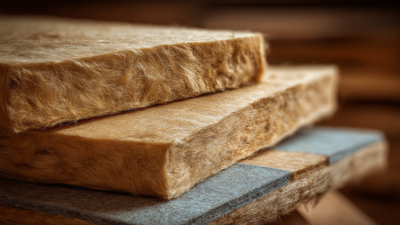
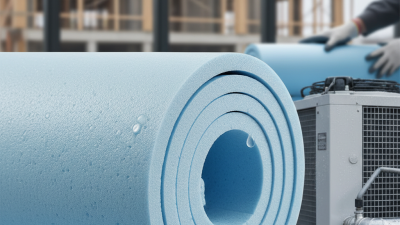
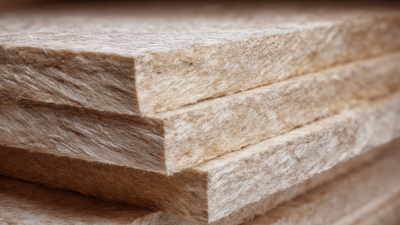
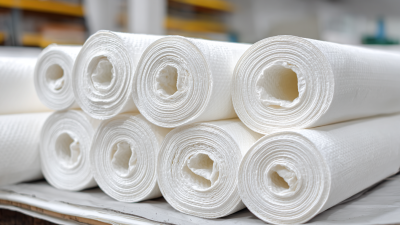
Polyolefin insulation is gaining popularity in various industries. Its unique properties provide a reliable solution for thermal and electrical insulation needs. As buyers seek effective materials, understanding the benefits of polyolefin insulation becomes crucial.
This insulation type is made from polyolefin, a family of polymers known for their durability and flexibility. It is lightweight yet strong, making it ideal for various applications. Buyers appreciate its resistance to moisture, chemicals, and heat, which enhances its longevity in different environments.
Despite its advantages, there are aspects worth pondering. Some may find it more expensive compared to conventional insulation options. Evaluating the long-term savings versus the initial cost is essential. By understanding polyolefin insulation better, buyers can make informed decisions that align with their specific needs and values.
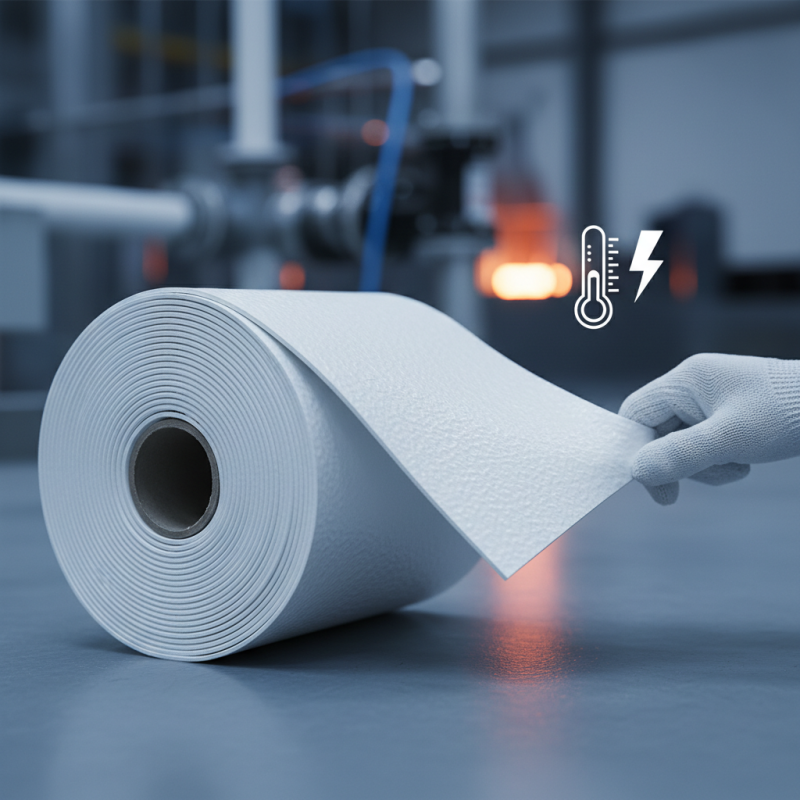
Polyolefin insulation is gaining attention for its unique properties and composition. This type of insulation is made from polyolefin polymers, which are derived from natural sources. These materials include polyethylene and polypropylene. They are known for their lightweight nature and resilience against moisture. This makes polyolefin a great choice for insulation applications in various settings.
The structure of polyolefin insulation offers excellent thermal resistance. It can effectively minimize heat loss or gain, making it an energy-efficient option. Additionally, it is resistant to chemicals and UV radiation. This durability contributes to its long lifespan. However, some installation methods can be tricky. Proper installation is crucial to maximize its benefits.
Buyers should consider these aspects carefully. While polyolefin insulation may be pricier than some alternatives, its performance often justifies the investment. The ecological impact is another concern. Polyolefin materials are often recyclable, adding to their appeal. Evaluating all factors helps buyers make informed decisions about their insulation needs.
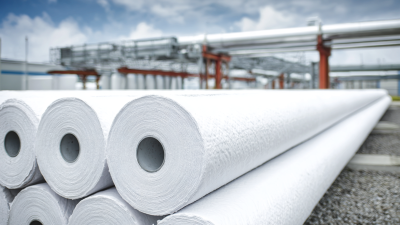
Polyolefin insulation is known for its impressive thermal and electrical performance. This material typically possesses a low thermal conductivity, making it a reliable choice for energy efficiency. It helps maintain stable temperatures in various applications, from residential to industrial environments. Buyers can expect reduced energy costs, a significant advantage in today’s economy.
On the electrical side, polyolefin insulation excels with its high dielectric strength. This characteristic prevents electrical breakdown, ensuring safety and reliability. In applications where moisture and heat may be concerns, its inherent resistance to these elements enhances its functionality. However, not all applications may benefit equally from polyolefin insulation. Some specific environments could challenge its performance, leading buyers to reflect on their choices.
While polyolefin is recognized for durability, there can be nuances in certain settings. Adapting to varying conditions requires careful consideration. Understanding the specific needs of your project is crucial. Emphasizing training and expertise in selecting the right insulation can lead to better outcomes. Buyers should weigh different aspects and remain open to the evolving nature of materials.
| Property | Description | Benefits |
|---|---|---|
| Thermal Insulation | Excellent thermal resistance, reducing heat loss. | Lower energy costs and enhanced comfort in buildings. |
| Electrical Insulation | High dielectric strength, preventing electric flow. | Increased safety and reliability in electrical applications. |
| Moisture Resistance | Impedes water absorption, maintaining integrity. | Longer lifespan and less maintenance required. |
| Lightweight | Low density compared to traditional materials. | Easier handling and installation. |
| Chemical Resistance | Resistant to many chemicals and solvents. | Enhanced durability in aggressive environments. |
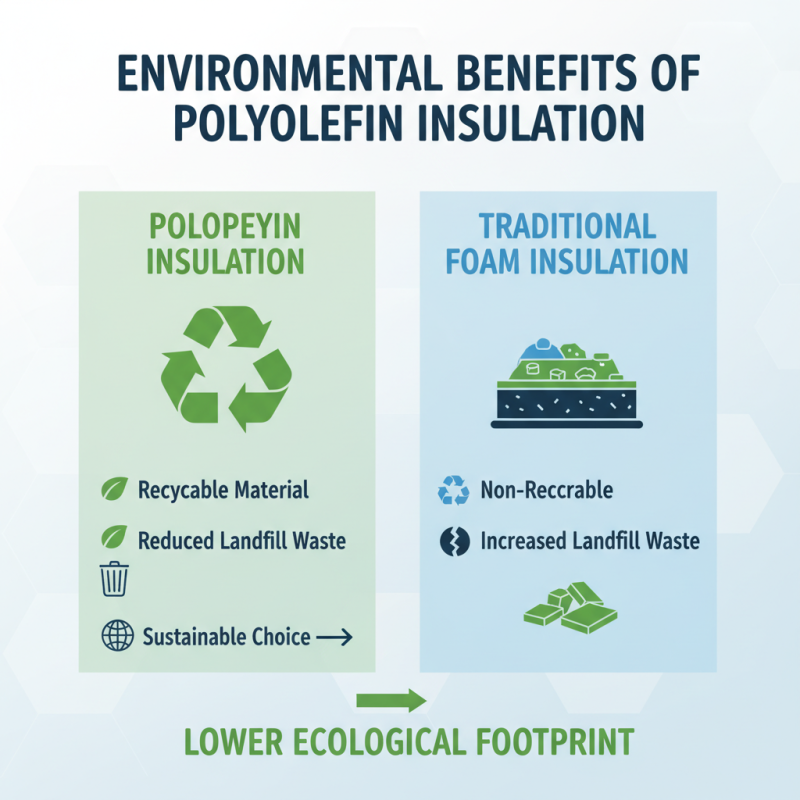
Polyolefin insulation offers notable environmental benefits compared to traditional insulation materials. One major advantage is its recyclable nature. Unlike many foam insulations that end up in landfills, polyolefin can be reused. This characteristic significantly reduces its ecological footprint. Recycling practices are gaining traction, making polyolefin a sustainable option.
Moreover, polyolefin insulation is produced with fewer harmful chemicals. This leads to lower emissions throughout its lifecycle. In contrast, alternatives often involve toxic substances that can pollute the environment. Using polyolefin supports cleaner air and healthier ecosystems.
However, it's essential to recognize that the manufacturing process still has its challenges. Energy consumption during production can be high, and not all facilities follow eco-friendly practices. Buyers should research manufacturers to ensure they prioritize sustainability. While polyolefin insulation boasts many benefits, continued improvement in production methods is crucial for maximizing its positive impact.
Polyolefin insulation offers a cost-effective solution for buyers, particularly in the construction and manufacturing industries. According to a report from the North American Insulation Manufacturers Association (NAIMA), polyolefin materials can reduce thermal conductivity by up to 80% compared to traditional insulation options. This significant reduction translates into lower heating and cooling costs, making polyolefin an appealing choice for budget-conscious consumers.
In a detailed financial analysis by the Insulation Industry Association, polyolefin insulation showed an average return on investment (ROI) of 30% within three years. This ROI results from savings on energy bills and reduced maintenance costs. Although the initial purchase price can be higher, the long-term savings can outweigh the upfront investment. However, buyers should evaluate their specific needs before making a decision, as the performance can vary significantly based on conditions and installation quality.
It’s essential for buyers to assess the life cycle cost of polyolefin insulation and compare it with alternatives. A comprehensive analysis may reveal potential downsides, such as limited availability in certain regions and compatibility with other building materials. Engaging with industry professionals can provide valuable insights, ensuring informed decisions that factor in both immediate costs and long-term benefits.
Polyolefin insulation is gaining traction across various industries, primarily due to its versatile applications and significant benefits. This material proves particularly effective in the automotive sector, offering weight reduction and enhanced thermal management. According to a report by MarketsandMarkets, the global polyolefin insulation market is projected to reach over $10 billion by 2025, influenced by rising demand for energy-efficient solutions.
In the construction industry, polyolefin insulation finds extensive use in both residential and commercial buildings. Its moisture resistance and durability make it a preferred choice for thermal insulation in walls and roofs. A study published by Grand View Research highlights that the construction segment accounts for over 30% of the total market share for insulation materials. This robust growth is a reflection of enhanced energy standards and a focus on sustainability.
Despite its advantages, challenges remain. Polyolefins can have environmental implications if not properly managed. The recycling of polyolefin materials is an ongoing concern. Industry stakeholders are urged to seek solutions that mitigate waste and promote circular economy practices. As the market evolves, closed-loop recycling methods may become essential to retain the benefits of this insulation while minimizing its ecological footprint.
Scan QR code to download the app
LSP Products was founded by plumbers over 50 years ago with a focus on unparalleled innovation, superior product quality, and best-in-class service to the plumbing industry. Our primary focus is the new construction market where we develop products that make installations easy and provide significant cost savings to the plumbing/mechanical contractor. LSP has a manufacturing facility located in Monterrey, Mexico and a distribution center in Dallas, Texas. We are proud to offer many products designed and made in North America… About LSP
Submit the form below to receive the document via email.