Why Noise Insulation Foam Matters in Reducing Sound Pollution by 30 Percent
In today’s fast-paced urban environment, sound pollution has become an increasingly pervasive issue, impacting our well-being and productivity. One effective solution to combat this problem is the use of noise insulation foam, a specialized material designed to absorb sound waves and significantly reduce noise levels in various settings. This guide delves into the significance of noise insulation foam in minimizing sound pollution by up to 30 percent, making spaces more comfortable and conducive for work or relaxation. By exploring the key benefits, applications, and installation techniques of noise insulation foam, readers will gain valuable insights into how they can enhance their environments, whether in homes, offices, or public spaces. Understanding the importance of implementing effective noise mitigation strategies is essential for creating quieter, more peaceful surroundings in our increasingly noisy world.
The Science Behind Noise Pollution and Its Impact on Health
Noise pollution has become an increasingly prevalent issue, affecting urban areas where the constant hum of traffic, construction, and everyday activities can disrupt peace and health. According to the World Health Organization (WHO), noise pollution is responsible for approximately 1 million healthy years lost annually in Europe alone due to its direct link to stress-related illnesses, sleep disturbances, and cardiovascular problems. The body's exposure to chronic high levels of sound can elevate cortisol levels, leading to long-term health complications. Furthermore, the Environmental Protection Agency (EPA) has stated that noise pollution significantly impairs the quality of life, especially affecting sleep patterns and mental well-being.
To mitigate these effects, noise insulation foam has emerged as a highly effective solution, boasting a potential sound reduction of up to 30%. This foam works by absorbing sound waves, preventing them from resonating within walls and ceilings, which is especially beneficial in densely populated environments. Proper application of foam in homes and workplaces can create a more serene atmosphere, enabling individuals to focus better and enjoy improved mental health.
**Tips:** When considering noise insulation options, it's essential to choose high-density foam for optimal sound absorption. Additionally, ensure proper installation to maximize efficiency—small gaps can significantly diminish the foam's performance. Lastly, integrating soundproofing materials in shared spaces like offices can improve concentration and productivity while reducing stress levels.
Why Noise Insulation Foam Matters in Reducing Sound Pollution by 30 Percent - The Science Behind Noise Pollution and Its Impact on Health
| Noise Source |
Decibel Level (dB) |
Impact Area |
Health Effects |
Noise Insulation Foam Reduction (%) |
| Traffic Noise |
80 - 90 dB |
Urban Areas |
Stress, Sleep Disturbance |
30% |
| Construction Work |
85 - 110 dB |
Residential Areas |
Hearing Loss, Anxiety |
30% |
| Air Traffic |
75 - 100 dB |
Areas Near Airports |
Cardiovascular Issues |
30% |
| Industrial Noise |
85 - 115 dB |
Factory Areas |
Hearing Loss, Fatigue |
30% |
| Neighbourhood Noise |
70 - 80 dB |
Residential Areas |
Sleep Disturbance, Stress |
30% |
How Noise Insulation Foam Can Effectively Reduce Sound Levels
Noise insulation foam plays a crucial role in effectively reducing sound levels within various environments. When strategically applied, this foam absorbs and dampens sound waves, minimizing their transmission from one area to another. This process is particularly beneficial in settings such as offices, recording studios, and residential spaces, where excessive noise can disrupt productivity and comfort. The installation of noise insulation foam can result in a sound pollution reduction of up to 30 percent, creating a more serene atmosphere.
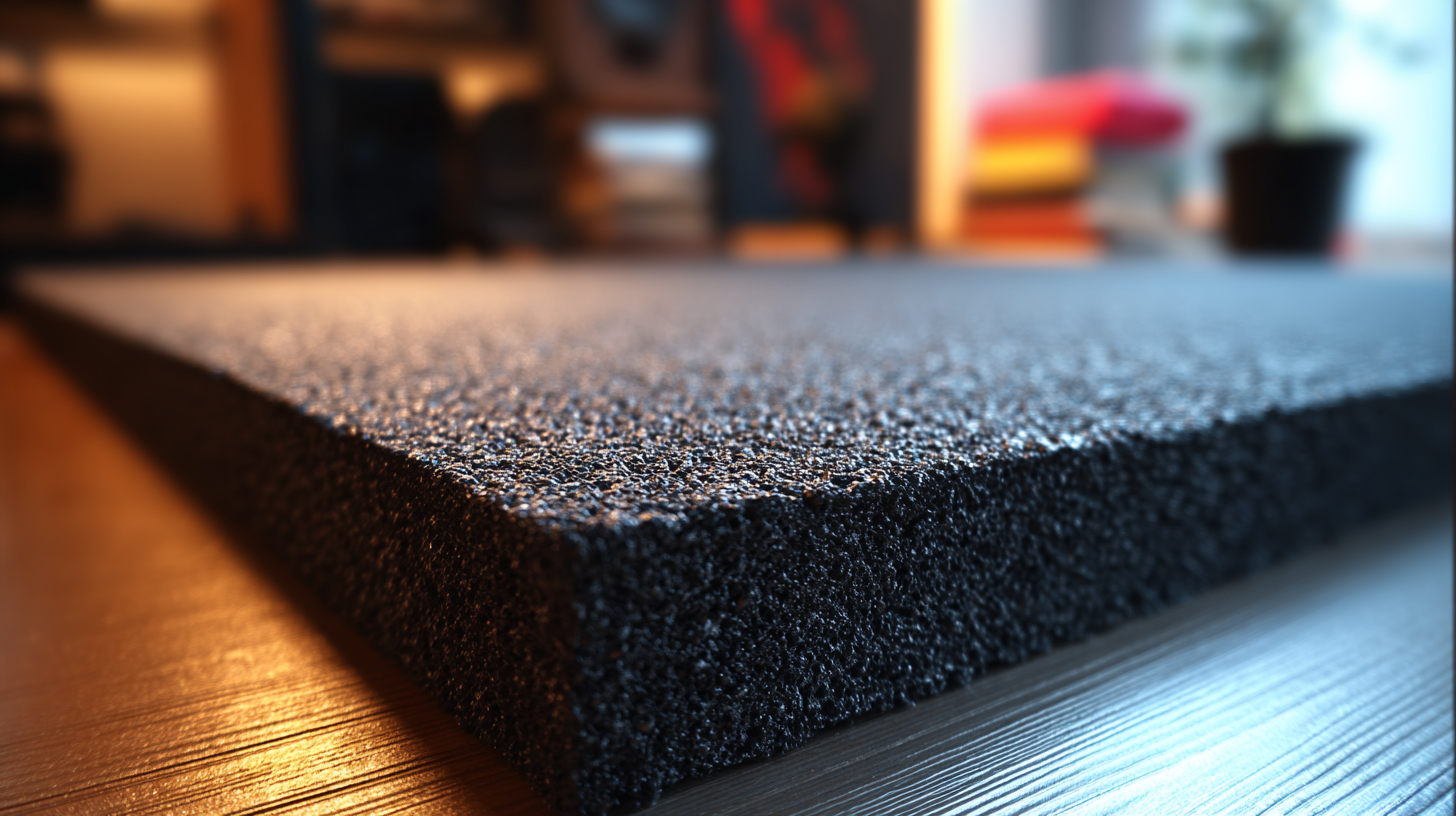
Moreover, the versatility of noise insulation foam makes it an essential choice for different applications. It can be easily installed on walls, ceilings, and floors, making it suitable for both new constructions and retrofitting existing structures. The material is typically lightweight and easy to handle, allowing for quick and effective installation without the need for extensive remodeling. By investing in noise insulation foam, individuals and businesses can create a more peaceful environment, enhancing overall well-being and improving focus and creativity in daily activities.
Key Benefits of Using Noise Insulation Foam in Residential Areas
 Noise insulation foam plays a crucial role in improving sound quality within residential areas, particularly in urban settings where external noise can be a constant nuisance. One of the key benefits of using this foam is its ability to absorb sound waves, significantly reducing the transmission of noise between rooms and from the outside environment. This not only enhances the comfort of your living space but also promotes a more peaceful atmosphere, making it easier for residents to relax and focus.
Additionally, noise insulation foam can contribute to better energy efficiency in homes. By improving thermal insulation, it helps maintain a comfortable temperature, reducing the need for heating and cooling. This dual-purpose functionality means that homeowners can enjoy a quieter environment while also saving on energy costs.
Tips: When considering noise insulation foam, look for high-density options that provide better sound absorption. Installing foam panels in strategic locations such as shared walls, ceilings, and floors can greatly enhance their effectiveness. Don’t forget to seal any gaps around windows and doors to minimize sound leakage further, creating an ideally quiet sanctuary in your home.
Practical Tips for Choosing the Right Noise Insulation Foam
When it comes to reducing sound pollution effectively, choosing the right noise insulation foam is crucial. According to a study from the Acoustical Society of America, soundproofing materials can reduce noise levels by up to 30 percent, significantly enhancing comfort in both residential and commercial spaces. The industry has seen advances in foam technology, making it essential for consumers to understand what features to prioritize.
One practical tip for choosing noise insulation foam is to look for high-density options, as they tend to absorb sound more effectively. Research indicates that foam with a density of at least 1.5 pounds per cubic foot can significantly diminish sound transmission. Additionally, consider the foam's NRC (Noise Reduction Coefficient) rating, which quantifies its sound absorption capabilities. A high NRC rating of 0.7 or above typically indicates excellent performance.
Lastly, ensure that the foam you select is suited for the specific environment where it will be used. For instance, open-cell foams are ideal for interior applications because they provide good sound absorption, while closed-cell foams are better for areas where moisture resistance is important. Following these tips can lead to a more peaceful environment and improved quality of life.
Steps to Properly Install Noise Insulation Foam for Maximum Effectiveness
Installing noise insulation foam effectively is crucial for maximizing its benefits in reducing sound pollution. Begin by selecting the right type of foam for your specific needs, such as acoustic panels, bass traps, or soundproofing materials tailored for walls and ceilings. Measure the area you plan to treat, ensuring you have enough foam to cover key surfaces where sound reflection is prominent, like large walls or corners.
Next, properly prepare the installation surface by cleaning it thoroughly to ensure that the foam adheres well. If you're using adhesive panels, apply the glue evenly and press the foam into place with firm, consistent pressure. For hanging foam panels, use appropriate mounting equipment like brackets or hooks, ensuring they are securely fastened. Be sure to stagger the foam pieces to reduce sound waves bouncing back from a single flat surface, optimizing the overall acoustic treatment. Once installed, patience is key; allow the adhesive to cure fully before testing the sound reduction effectiveness.
Impact of Noise Insulation Foam on Sound Pollution Reduction

 Skip to main content