What Is an LED Garden Light and How Does It Work?
A Led Garden Light is more than a small fixture beside a path. It combines an LED, optical components, a power source, and a housing designed for outdoor use. Together, these parts turn electricity into directed light, often with less energy than traditional garden lamps. The exact result depends on the LED, lens, beam angle, and installation.
Lighting researcher Dr. Ian Ashdown is known for work on lighting measurement and design. I can’t verify a verbatim quotation from him about garden lights, so I won’t invent one. A useful editorial principle is: “Choose the light for the task, then aim it with care.” That distinction matters. A warm pool beside a bench feels different from a narrow beam tracing a stone path. Too much brightness can wash out texture and create glare. Sometimes, less works better.
This guide explains how a Led Garden Light produces and directs light, what its main components do, and how power and controls affect operation. It also considers practical details, including color appearance, weather exposure, and placement. A label alone cannot tell the whole story. Look at the fixture’s specifications, test the light in its actual setting when possible, and check whether shadows fall where you expect. Small adjustments can change the garden’s feel. The result may not be perfect on the first evening—and that is worth noticing.
What Defines an LED Garden Light?
What Is an LED Garden Light and How Does It Work?
What Defines an LED Garden Light?
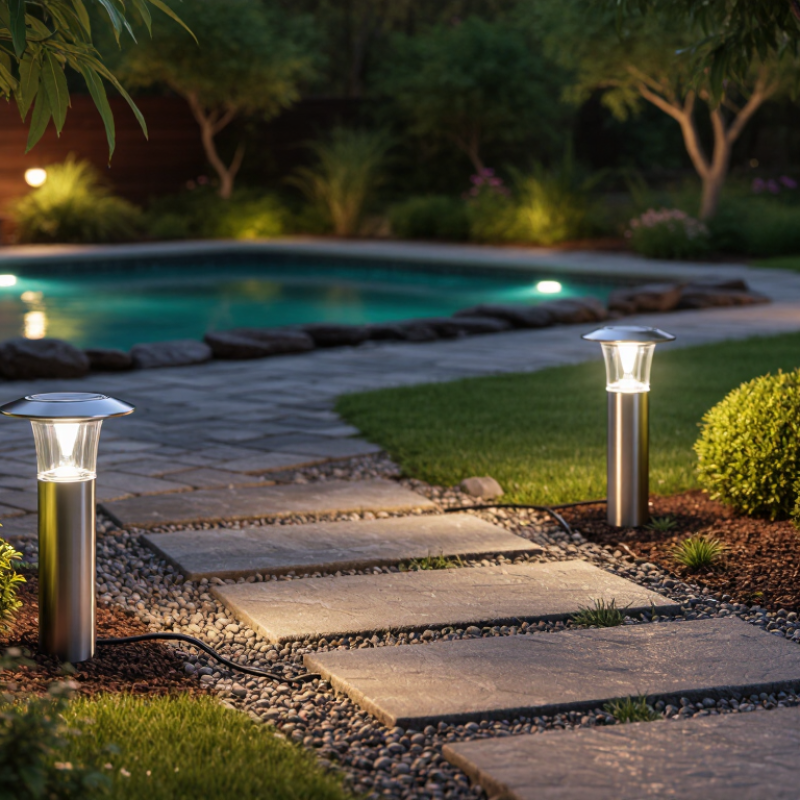
An LED garden light is an outdoor fixture that uses light-emitting diodes to illuminate paths, planting beds, patios, or other garden areas. Its defining feature is the LED light source, which produces light when electrical current passes through a semiconductor. The fixture may draw power from a wired supply, a low-voltage system, or a built-in solar panel and battery.
The LED is only one part of the design. A housing protects electrical components, while a lens or reflector directs light toward a path or plant. Some models include a dusk sensor or motion sensor. Small details matter. The fixture’s outdoor rating, seals, and materials affect how well it handles rain, dust, and seasonal temperature changes. Check the product specifications rather than assuming every garden light is weather-resistant.
Light quality and placement also help define a useful fixture. A warm, low-glare beam can make a stone path easier to see without washing out nearby flowers. For a practical check, observe the light after dark and look for harsh shadows, dark gaps, or glare at eye level. Even a durable light can disappoint if aimed poorly. I would not judge one by brightness alone; comfort, coverage, and reliable protection matter too.
The Main Components Inside an LED Garden Light
An LED garden light usually contains an LED chip, a circuit board, a power source, and a protective housing. The chip produces light when electrical current passes through it. A small driver regulates that current, helping prevent flickering or damage from unstable power. In solar models, a panel charges a rechargeable battery during daylight; a sensor may switch the lamp on when the surroundings grow dark. Wired models use a different power connection, so their internal layout can vary.
Small parts matter.
The circuit board supports the LED and transfers some heat to a metal plate or heat sink. Heat control is easy to overlook, but excessive warmth can shorten an LED’s useful life. A lens or diffuser spreads the beam across a path or flower bed, while the outer casing shields the electronics from rain and dust. Seals around joints help, though they can wear or loosen over time. The design is not always elegant: a tightly sealed casing may be harder to open for battery replacement. Checking the battery compartment, cable entry, and lens for moisture can reveal problems before the light becomes unreliable.
How Electrical Energy Becomes Light
An LED garden light turns electrical energy into visible light through a semiconductor, not a heated wire. Power may come from a low-voltage supply, a battery, or a small solar panel. The source matters because each type delivers electricity differently. Inside the lamp, a driver helps control the current reaching the LED. Too much current can overheat the component or shorten its working life.
At the LED’s semiconductor junction, electrical current moves electrons across a tiny energy gap. When electrons meet empty spaces, they release energy as photons. Those photons are light. The material inside the LED influences its color, while a phosphor coating can convert some blue light into a warmer white. It is a small process. Yet the junction also produces heat, so the lamp needs a path to release it. A metal base or heat-spreading housing often helps.
The driver’s job is easy to overlook. It keeps current steadier when the supply changes, which helps maintain consistent brightness. Some garden lights use simple circuits, so output may vary as a battery weakens. That can be noticeable on a dim path after several cloudy days. The lens or reflector then directs the light toward plants, steps, or a walkway. Electrical energy does not become light with perfect efficiency; some becomes heat, and real-world performance depends on the circuit, materials, and temperature.
How Sensors and Controls Manage Operation
An LED garden light uses a semiconductor to turn electrical energy into visible light, often with less heat than older bulb types. Its controls decide when that light turns on, how bright it should be, and how long it stays on. Small changes matter.
A photocell measures ambient light and can switch a fixture on around dusk, then off near dawn. Its response depends on placement: a sensor beneath a porch roof may stay dark during the day, while one facing another lamp may switch off too early. Motion sensors add another layer. Many use infrared changes to detect warm bodies crossing their field of view, so aim and mounting height affect performance.
Timers can set a consistent schedule, while dimming controls reduce output during quieter hours. Some fixtures combine these functions, but settings should match the path or planting area being lit. Not every night. Leaves moving in wind or passing headlights can trigger unwanted changes, and a sensor may miss movement outside its coverage zone. That takes testing. Walk the path after installation, observe several evenings, and adjust sensitivity or timing rather than assuming the first setting is right. Automation helps, but it still needs a little judgment.
What Is an LED Garden Light and How Does It Work?
How sensors and controls manage operation over an illustrative evening-to-morning period
Illustrative example, not field measurements: a photocell switches the light on when ambient illuminance falls below a 10-lux dusk threshold. After dark, the light stays at 20% standby output and rises to 100% when a motion sensor detects movement, then returns to standby. At dawn, the photocell switches it off.
How Garden Lights Distribute Light Outdoors
An LED garden light uses a semiconductor to turn electrical energy into light, with a lens or reflector guiding where that light falls. Outdoors, its distribution depends on beam angle, mounting height, and nearby surfaces. A narrow beam can pick out a tree trunk or garden feature, while a wider beam spreads light across a path or planting bed. Placement matters. Small shifts help.
A low path light usually sends light down and outward, making edges easier to see without shining directly into a walker’s eyes. For steps, overlapping pools of light can reduce dark gaps; spacing fixtures too far apart may leave uneven patches. A shield or recessed lens can limit glare, though wet stone and pale walls may still reflect more light than expected.
For garden beds, aim fixtures toward leaves or textured bark rather than across open space. The foliage catches light and creates depth, but dense branches can block it. In practice, the result is rarely as even as a plan suggests. Plants grow, and shadows move. Testing one light after dusk can reveal a bright spot or a distracting view into the lamp. Light only the areas that need visibility or emphasis; the rest of the garden can remain naturally dark.

 Skip to main content