An Isolation Switch is a crucial component in electrical systems. It provides a means to safely disconnect power. This is essential for maintenance and emergency situations. Without it, risks increase significantly. Equipment can suffer damage if power is not properly managed.
In various sectors, including industrial and residential, Isolation Switches ensure safety. Electricians rely on these switches to prevent accidents. When power is isolated, workers can operate safely. However, some may not use it correctly. Misunderstandings about its function can lead to dangerous situations.
The significance of an Isolation Switch cannot be overstated. It is more than just a technical device; it represents a commitment to safety. Understanding its role can enhance operational efficiency. Yet, many overlook its importance in daily practices. This is a gap worth addressing.
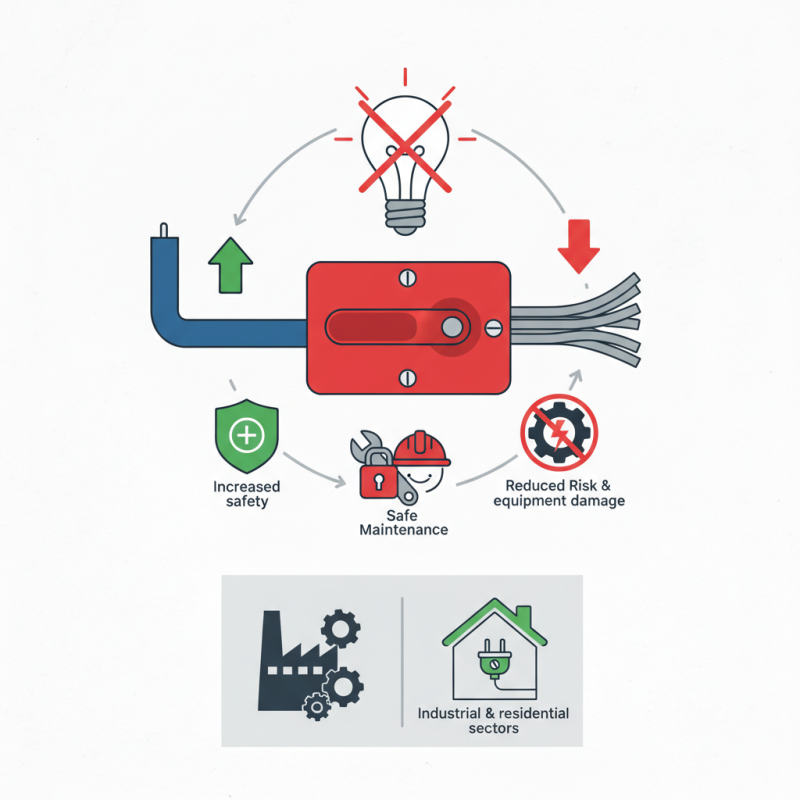
An isolation switch is a vital component in electrical systems. It allows for the safe disconnection of electrical circuits. This ensures that maintenance can be performed without the risk of electric shock or equipment damage. According to industry reports, nearly 30% of electrical accidents happen during maintenance work. An isolation switch helps reduce this risk significantly.
These switches function by completely isolating a circuit from the power source. They are designed to withstand extreme conditions, making them suitable for varied environments. In industrial settings, the use of isolation switches can lead to a 15% decrease in electrical incidents. Proper installation and regular maintenance of these switches are crucial. Failing to do so can lead to malfunction, posing serious safety threats.
While the importance of isolation switches is clear, not all installations meet safety standards. In many cases, installations lack proper labeling or are easily accessible to untrained personnel. This raises serious concerns. Regular inspections can identify issues, but they are often overlooked. Awareness of these problems is essential for improving safety in industrial operations.
| Feature | Description | Importance |
|---|---|---|
| Definition | An isolation switch is a device that isolates a section of the electrical circuit for maintenance or safety purposes. | It prevents accidental energizing of equipment being serviced. |
| Types | Mechanical, Electrical, and Digital isolation switches. | Different types are used based on application and operational needs. |
| Applications | Used in industrial systems, commercial buildings, and residential applications. | Ensures safety during maintenance and service work. |
| Regulations | Must comply with local and national electrical codes. | Adhering to regulations ensures safety and legal compliance. |
| Maintenance | Routine checks and testing are necessary for reliable operation. | Prevents failure and enhances system reliability. |

Isolation switches play a crucial role in electrical safety. There are various types, including general-purpose switches and heavy-duty switches. General-purpose isolation switches are commonly used in residential applications. They ensure that the electrical circuit is safe to work on by completely disconnecting the power supply. These switches are often found in homes and small businesses.
Heavy-duty isolation switches are designed for industrial applications. They can handle high voltage and large currents. This makes them vital for machinery and large electrical systems. According to a report from the International Electrotechnical Commission, improper isolation of electrical equipment accounts for about 20% of electrical accidents in industrial settings. Using the right isolation switch can significantly reduce these risks.
Another type is the modular isolation switch. These are popular in renewable energy systems, such as solar panels. They allow for safe maintenance while maximizing energy production. However, not all isolation switches are created equal. Poorly designed switches can lead to operational failures or safety hazards. Always assess the environment and load requirements before making a decision.
Isolation switches play a crucial role in electrical safety. They disconnect power sources, ensuring complete isolation during maintenance. This feature allows technicians to work without the risk of electric shock. In industrial settings, they prevent accidents. Workers can focus on repairs without being distracted by potential hazards.
Furthermore, these switches enhance system reliability. They allow for quick fault isolation. When an issue arises, operators can swiftly cut off electricity to a specific section. This reduces downtime and minimizes damage to equipment. The clear visual indication of an open or closed switch adds to its safety merits.
However, not all isolation switches are created equal. Some may not meet safety standards. Regular checks are necessary to ensure they function properly. Maintenance teams sometimes miss this step, leading to overlooked risks. It's essential to prioritize the reliability of these switches to maintain a safe working environment.
Isolation switches are crucial in electrical installations. They provide a means to disconnect power safely. According to a recent industry report, nearly 30% of electrical accidents result from improper isolation. This highlights the need for effective isolation switches during maintenance work.
One key benefit of isolation switches is enhanced safety. They allow technicians to work without the risk of electric shock. In many facilities, isolating power can also prevent equipment damage. Reports suggest that proper maintenance, facilitated by these switches, can reduce downtime by up to 20%.
Another advantage is compliance with safety regulations. Many jurisdictions require isolation switches in industrial settings. This can enhance operational efficiency and avoid hefty fines. Neglecting to use them often leads to unsafe conditions. Data indicates that regular audits show a direct correlation between installations with isolation switches and lower accident rates. Implementing these tools is not just good practice; it is a necessity in maintaining a safe environment.
Isolation switches play a crucial role in electrical safety. Installing them properly is vital. According to the National Electrical Manufacturers Association (NEMA), improper installation can lead to accidental energizing of circuits. This poses risks to maintenance personnel. Clear labeling and accessibility are critical factors. Ensure that isolation switches are easy to reach. This minimizes downtime during emergency situations.
Regular maintenance of isolation switches is also essential. The Electric Power Research Institute (EPRI) reports that unmaintained switches can lead to equipment failures. Routinely check connections and moving parts. Inspect for corrosion and damage. This not only increases safety but also enhances device longevity. It is important to keep a maintenance log. Tracking repairs helps in identifying recurring issues. This practice encourages timely interventions.
Training staff on switch operations is just as important. Many accidents occur due to a lack of understanding. Provide hands-on training sessions. Encourage questions and discussions. This engages workers and promotes safety awareness. An informed team can better handle isolation switches, leading to a safer work environment.
Scan QR code to download the app
LSP Products was founded by plumbers over 50 years ago with a focus on unparalleled innovation, superior product quality, and best-in-class service to the plumbing industry. Our primary focus is the new construction market where we develop products that make installations easy and provide significant cost savings to the plumbing/mechanical contractor. LSP has a manufacturing facility located in Monterrey, Mexico and a distribution center in Dallas, Texas. We are proud to offer many products designed and made in North America… About LSP
Submit the form below to receive the document via email.