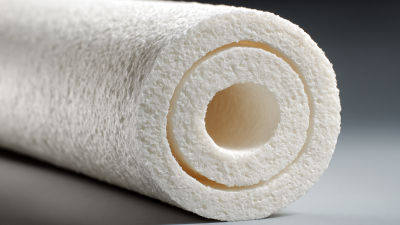
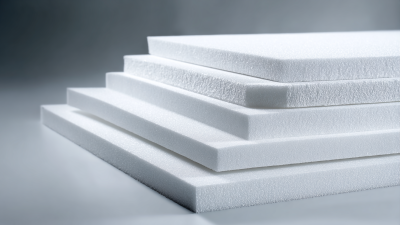
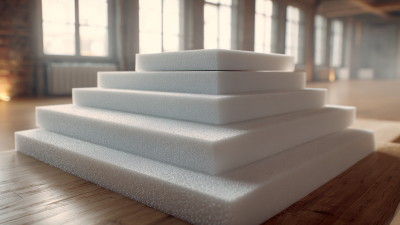
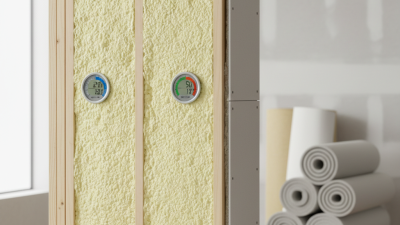
Insulation board is a crucial material for creating energy-efficient homes. It helps regulate indoor temperatures and reduce energy consumption. This board is available in various materials, such as polystyrene and fiberglass, each offering unique benefits.
Installing insulation board can significantly improve your home's comfort. It minimizes heat loss during winter and keeps spaces cool in summer. However, choosing the right type can be tricky. You might overlook essential factors like thickness or R-value.
Many homeowners do not realize the importance of proper installation. Poorly installed insulation board can lead to energy inefficiencies. Reflecting on these details can enhance your home’s performance and sustainability.
Insulation board is a popular material used to improve energy efficiency in homes. It is a rigid board, typically made from materials like polystyrene or polyisocyanurate. These materials offer excellent thermal insulation properties. According to the U.S. Department of Energy, proper insulation can reduce heating and cooling costs by 20% to 30%. This statistic emphasizes how insulation board contributes to comfort and savings.
The installation of insulation board is straightforward. It can be used in walls, roofs, and even floors. Many homeowners appreciate its lightweight and rigid structure, making it easy to handle. However, not all insulation boards provide the same level of performance. It's crucial to choose the right type based on your climate. Some boards may not be suitable for high-moisture areas. A study by the National Insulation Association noted that improper insulation can lead to higher energy bills over time.
Despite its advantages, there are challenges in installation. Gaps can reduce energy efficiency significantly. It’s essential to pay close attention during the fitting process. Misalignment can create thermal bridges that negate the effectiveness of insulation. It's also worth noting that many people focus solely on the cost of material. Often, they overlook the long-term savings on energy bills. Effective insulation goes beyond monetary costs; it impacts overall comfort and sustainability in a home.
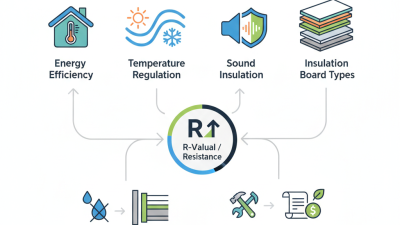
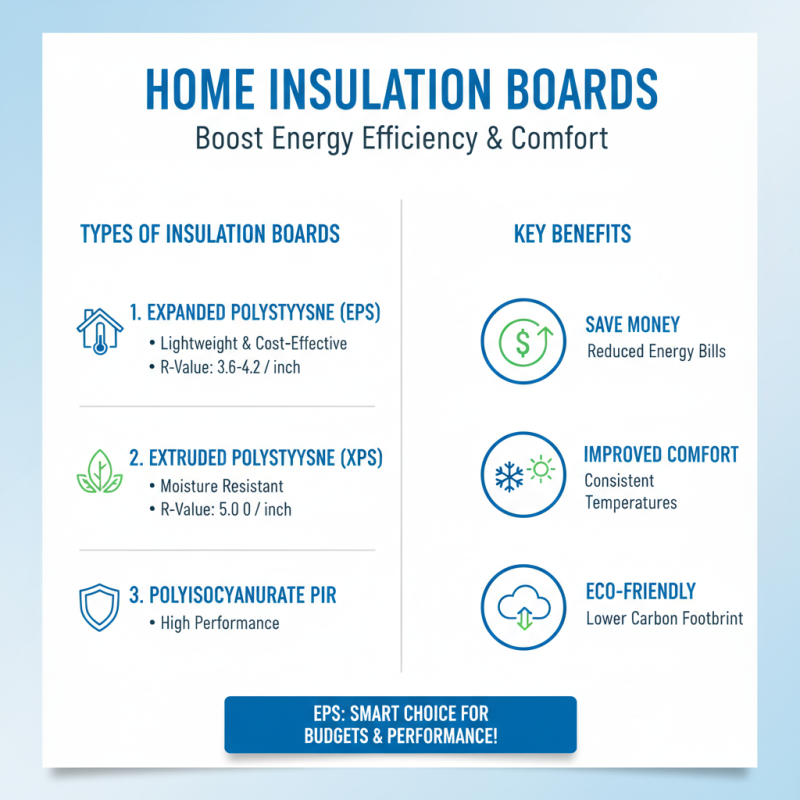
Insulation boards are essential for improving energy efficiency in homes. Several types of insulation boards are available, each serving unique purposes. Among them, expanded polystyrene (EPS) is popular for its lightweight nature and cost-effectiveness. This type of board can provide an R-value of around 3.6 to 4.2 per inch.
Another widely used option is extruded polystyrene (XPS), known for its high compressive strength and moisture resistance. XPS typically offers an R-value of about 5 per inch, making it effective for basement and foundation insulation. However, its manufacturing process may have a higher environmental impact compared to EPS.
Polyisocyanurate insulation boards also stand out. They usually have R-values between 6 and 7 per inch. This high-performance insulation is suitable for roofs and walls. However, some researchers highlight durability issues, questioning long-term effectiveness. It's essential to consider the specific needs of your home when selecting insulation boards. Sustainable options are increasingly relevant, as building codes evolve. Make informed choices to maximize benefits.
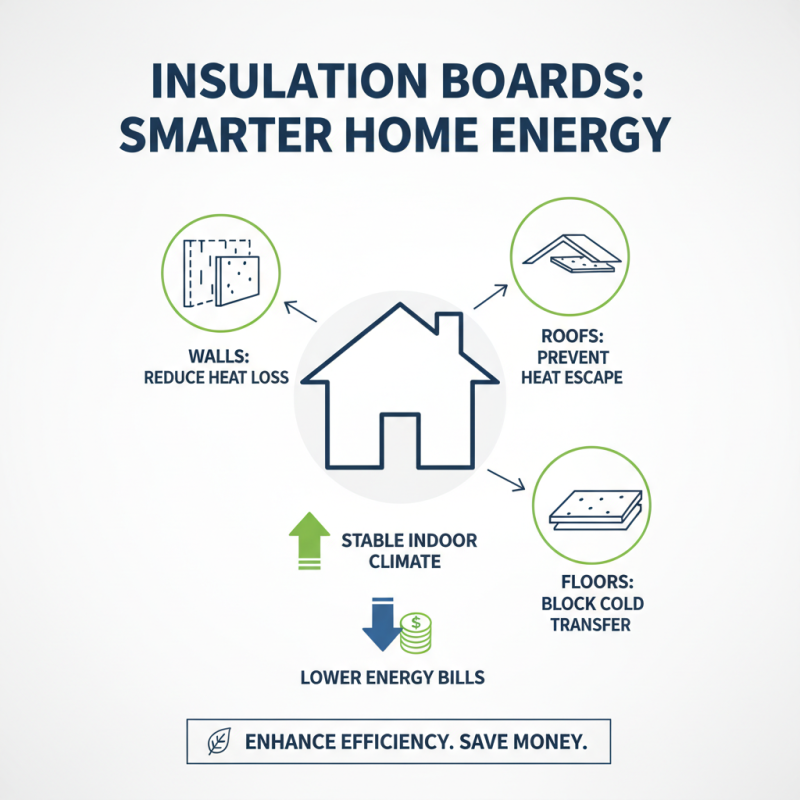
Insulation boards play a crucial role in enhancing home energy efficiency. These boards can be installed in walls, roofs, and floors. They provide an effective barrier against heat loss. By using insulation boards, homeowners can create a more stable indoor climate. This stability leads to reduced energy bills over time.
The key benefits include improved comfort and reduced environmental impact. Insulation minimizes drafts and maintains consistent temperatures. It also reduces reliance on heating and cooling systems. This is especially important in areas with extreme weather. Many people overlook the importance of proper insulation. Inadequate insulation can lead to energy wastage. It’s essential to critically assess your home’s insulation needs.
Moreover, insulation boards are versatile. They come in various thicknesses and materials. This allows for tailored solutions based on specific requirements. Some homeowners struggle with installation. It's advisable to seek professional help for the best results. A poorly installed board may lead to voids and gaps. These issues can negate the benefits of insulation. Investing time and resources into proper insulation can be transformative.
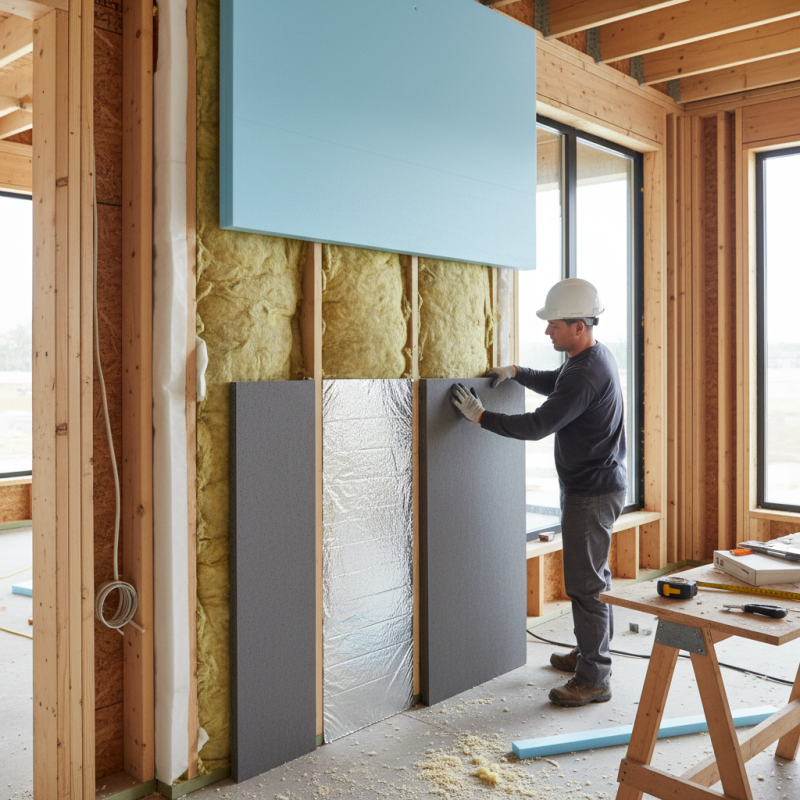
Installing insulation boards can significantly improve your home’s energy efficiency. This process involves several key steps that ensure proper usage and effectiveness. Begin by measuring the area where you plan to install the insulation boards. Accurate measurements help in minimizing waste. According to the U.S. Department of Energy, proper insulation can reduce energy costs by up to 30%.
Before installation, prepare the surface. Remove any debris and ensure it is dry. Cut insulation boards to fit snugly within the frame. Use a utility knife for clean edges. Seal any gaps with adhesive or tape to enhance thermal resistance. These small details can make a big difference.
**Tips:** Consider wearing protective gear during installation. Safety glasses and gloves are essential. It’s easy to overlook these safety precautions.
After the boards are installed, check for any irregularities. Gaps may often be present. Filling these gaps can improve insulation performance. A small oversight can lead to increased energy costs later. Pay attention to these details to maximize efficiency.
| Feature | Description | Benefits |
|---|---|---|
| Material Types | Common materials include polystyrene, polyurethane, and fiberglass. | Offers various R-values for effective insulation based on material type. |
| Energy Efficiency | Insulation boards reduce heat transfer in and out of the home. | Leads to lower energy costs and increased comfort. |
| Installation Process | Cut to size, secure with adhesives or mechanical fasteners, and seal joints. | Quick installation minimizes disruption. |
| Moisture Resistance | Certain boards are designed to resist moisture and prevent mold growth. | Enhances durability and air quality in your home. |
| Environmental Impact | Some products are made from recycled materials. | Reduces ecological footprint while improving home efficiency. |
Insulation boards are versatile materials widely used in construction. One major application is in walls. Insulation boards provide thermal resistance. They help maintain indoor temperatures, which can lead to increased energy efficiency. According to the U.S. Department of Energy, proper insulation can save homeowners up to 20% on heating and cooling costs. This statistic illustrates the tangible financial benefits insulation boards offer.
Another common application is in roofs. Insulation boards can be installed beneath roofing materials. This helps to reduce heat loss. In cold climates, it’s crucial to prevent heat from escaping. The International Energy Agency reports that proper insulation could contribute to significant reductions in energy consumption in buildings.
Insulation boards also find their place in floors, especially in basements. They help in moisture control and thermal performance. However, not all installations are perfect. Some may overlook potential thermal bridges or improper sealing. These issues can compromise overall benefits. Ensuring complete installation is essential for maximizing performance and efficiency.
Scan QR code to download the app
LSP Products was founded by plumbers over 50 years ago with a focus on unparalleled innovation, superior product quality, and best-in-class service to the plumbing industry. Our primary focus is the new construction market where we develop products that make installations easy and provide significant cost savings to the plumbing/mechanical contractor. LSP has a manufacturing facility located in Monterrey, Mexico and a distribution center in Dallas, Texas. We are proud to offer many products designed and made in North America… About LSP
Submit the form below to receive the document via email.