Innovative Benefits of Polyolefin Duct Insulation for Energy Efficiency in Modern Homes

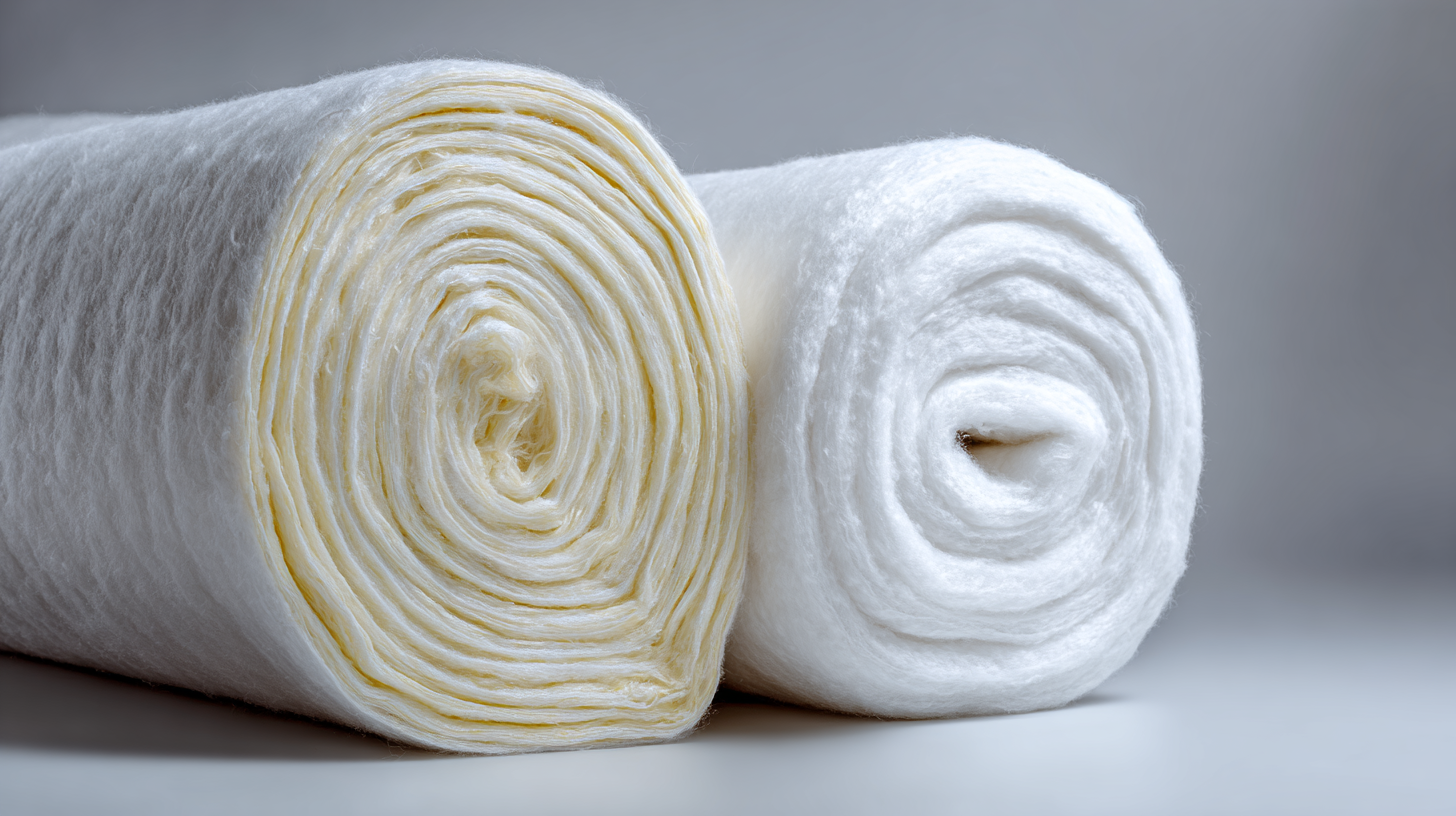
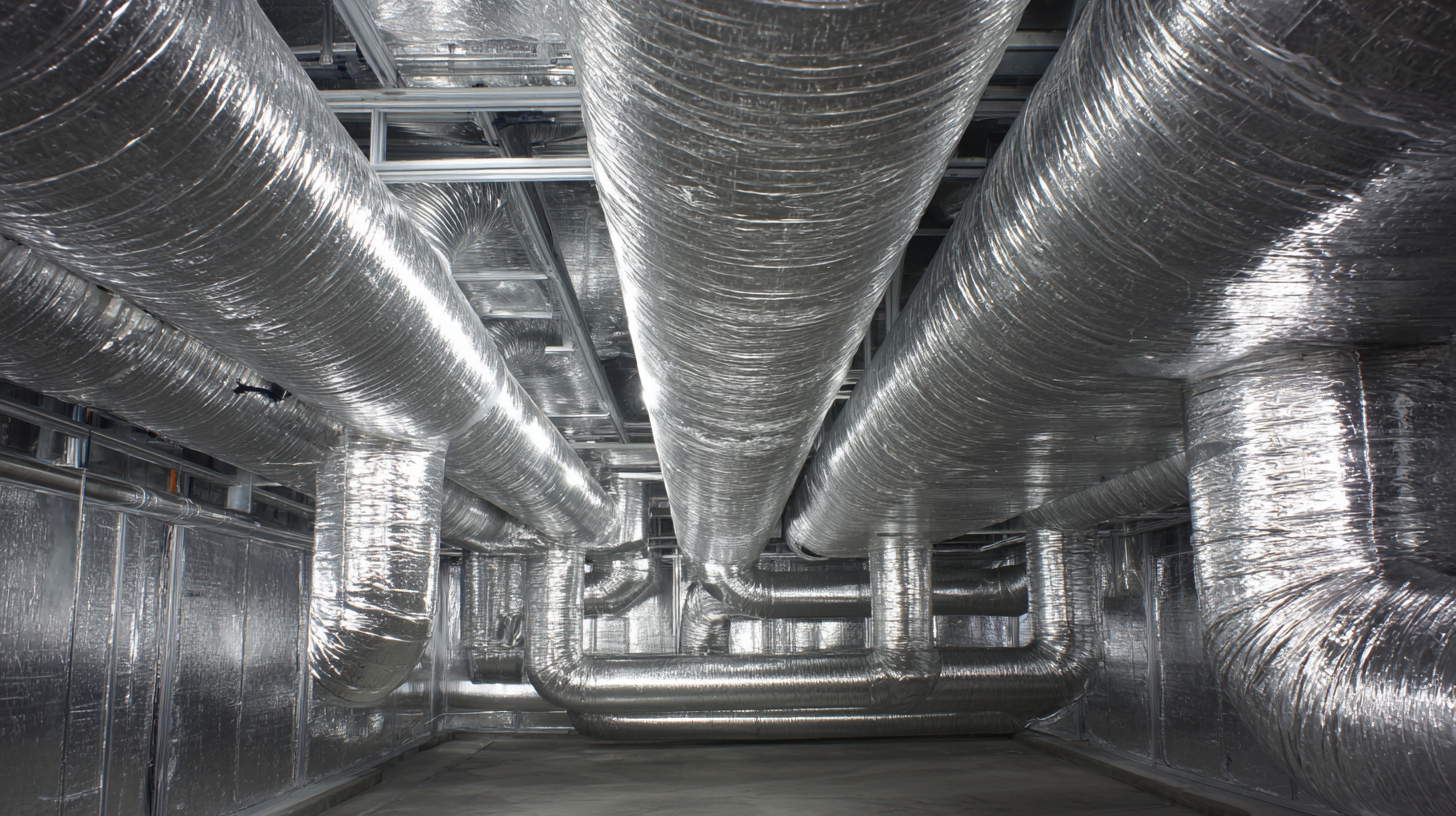
In the pursuit of energy efficiency within modern homes, the role of insulation materials has become increasingly significant. Among these, polyolefin duct insulation has emerged as a leading choice due to its exceptional thermal performance and environmental benefits. According to a 2022 report by the Department of Energy, homes equipped with advanced insulation solutions can reduce energy consumption by up to 30%, significantly lowering utility bills and enhancing overall comfort. Polyolefin duct insulation, known for its moisture resistance and low thermal conductivity, not only optimizes HVAC system efficiency but also contributes to better indoor air quality. Moreover, its lightweight and flexible nature allows for easier installation and long-term durability, making it a cost-effective solution for both new constructions and retrofitting projects. As homeowners become more conscious of sustainability and energy conservation, the adoption of polyolefin duct insulation stands out as a pivotal strategy in creating energy-efficient living spaces.
Innovative Benefits of Polyolefin Duct Insulation for Energy Efficiency in Modern Homes

Advantages of Polyolefin Duct Insulation in Reducing Energy Costs

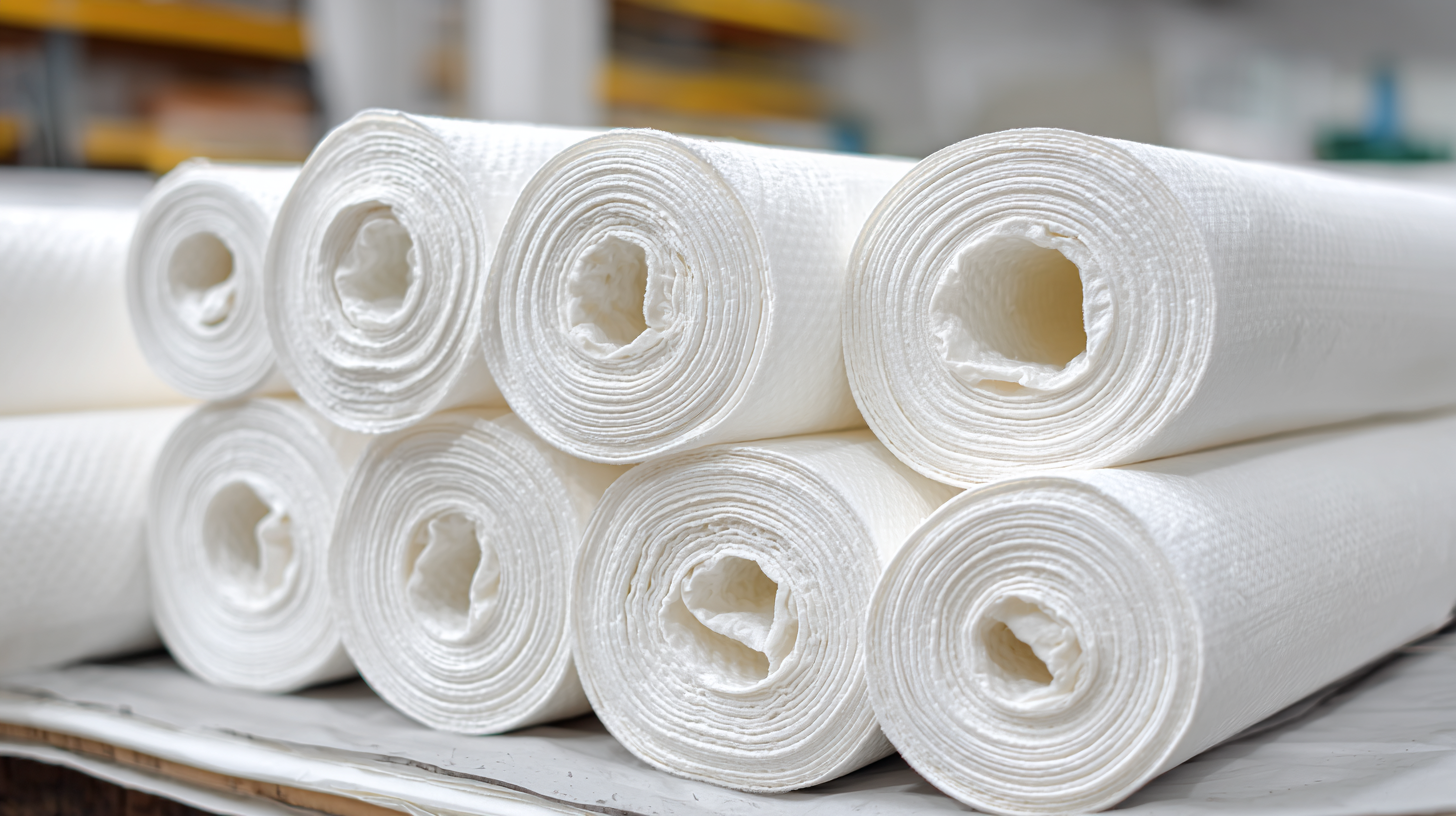
Polyolefin duct insulation is gaining recognition for its remarkable capabilities in enhancing energy efficiency within modern homes. As energy costs continue to rise, homeowners are increasingly looking for effective solutions to reduce their monthly expenses. Polyolefin insulation offers a unique set of advantages, including superior thermal performance, moisture resistance, and lightweight properties, making it an ideal choice for HVAC systems. According to industry reports, the global HVAC insulation market is projected to reach USD 9.28 billion by 2030, with a compound annual growth rate (CAGR) of 4.7%, highlighting the growing demand for innovative insulation materials.

In addition to thermal efficiency, polyolefin duct insulation contributes to improved indoor air quality by reducing the chances of condensation and mold growth. This not only enhances comfort but also protects the health of residents. The recent expansion of sustainable insulation innovations in the HVAC sector indicates a clear trend towards materials that not only cut energy costs but also promote environmental sustainability. As the market evolves, the implementation of polyolefin duct insulation could play a pivotal role in achieving significant energy savings for homeowners, further solidifying its position as a leading choice in the insulation industry.
Innovative Benefits of Polyolefin Duct Insulation for Energy Efficiency in Modern Homes

Environmental Impact of Polyolefin Materials in Sustainable Home Design

Polyolefin materials are gaining traction in sustainable home design due to their environmental benefits and energy efficiency. As homeowners seek alternatives to traditional insulation, polyolefin duct insulation emerges as a viable option. Its lightweight and durable properties not only enhance energy efficiency but also contribute to reducing the overall carbon footprint of residential buildings. This type of insulation minimizes thermal bridging, ensuring homes maintain optimal indoor temperatures, thereby decreasing reliance on heating and cooling systems.

Furthermore, polyolefin materials are increasingly recognized for their recyclability and lower environmental impact compared to conventional insulation products. The production processes for polyolefins often involve fewer harmful chemicals, aligning with the growing trend toward eco-friendly construction practices. As the global carpet market is anticipated to witness significant growth, the demand for sustainable materials, like polyolefin, is likely to rise. The emphasis on customization in manufacturing is crucial in meeting the needs of environmentally conscious consumers, as the industry pivots towards innovative solutions that prioritize both performance and sustainability in modern home design.

Comparative Analysis: Polyolefin vs. Traditional Insulation Materials

When evaluating the energy efficiency of modern homes, a comparative analysis between polyolefin duct insulation and traditional insulation materials reveals compelling advantages. Polyolefin, known for its superior thermal performance, demonstrates a lower thermal conductivity, typically around 0.20 W/m·K, compared to fiberglass insulation, which has a conductivity of approximately 0.30 W/m·K. This improved thermal efficiency means that homes insulated with polyolefin can maintain desired temperatures with less energy input, thereby reducing heating and cooling costs.

Additionally, polyolefin insulation is inherently moisture-resistant, mitigating the risk of mold and mildew that often plagues traditional materials such as cellulose and fiberglass. According to a report by the Department of Energy, homes equipped with moisture-resistant insulation can achieve an energy savings of up to 15% per year. This is particularly crucial in regions with high humidity, where the longevity and performance of insulation materials are tested. With these benefits, it becomes clear that polyolefin duct insulation offers not only enhanced energy efficiency but also contributes to healthier living environments when compared to traditional insulation options.

Installation Techniques for Optimal Performance of Polyolefin Duct Insulation

Polyolefin duct insulation is emerging as a top choice for enhancing energy efficiency in modern homes, driven by its lightweight, moisture-resistant properties and superior thermal performance. To achieve optimal performance during installation, certain techniques are paramount. First, ensuring a proper fit is crucial; ducts should be tightly sealed to minimize air leakage. Utilizing a combination of mechanical fasteners and adhesive-backed insulation can enhance the stability and integrity of the installation, ultimately improving the overall insulation performance.

Furthermore, it's essential to consider the environmental conditions during installation. Polyolefin insulation is best installed in dry, controlled environments to prevent moisture absorption, which can degrade its insulating properties. Industry reports indicate that the Data Center Insulation Market is set to reach USD 1125.0 million by 2030, illustrating a growing recognition of advanced insulating materials. Adopting these innovative installation techniques not only elevates the current standards in home energy efficiency but also aligns with broader industry trends towards sustainable building practices.

Innovative Benefits of Polyolefin Duct Insulation for Energy Efficiency in Modern Homes

Long-term Durability and Maintenance of Polyolefin Insulation Solutions

Polyolefin duct insulation offers remarkable long-term durability, making it an ideal choice for modern homes seeking energy efficiency. Unlike traditional insulation materials, polyolefin exhibits resistance to moisture and mold, significantly prolonging its lifespan. This resilience not only reduces the need for frequent replacements but also minimizes the maintenance efforts required over time. Homeowners can enjoy peace of mind knowing that their insulation will maintain its performance without extensive upkeep.

Furthermore, the lightweight nature of polyolefin allows for easy installation, which can lead to lower labor costs and quicker project completion. Its compatibility with various HVAC systems ensures that homeowners benefit from enhanced thermal performance without compromising on durability. By investing in polyolefin insulation, modern households can achieve a sustainable and energy-efficient environment that stands the test of time, contributing to decreased energy bills and a smaller carbon footprint.

Innovative Benefits of Polyolefin Duct Insulation for Energy Efficiency

This chart illustrates the energy savings achieved by different insulation types in modern homes, focusing on the long-term durability and maintenance benefits of Polyolefin duct insulation compared to traditional materials.

LSP App

Download the LSP App now

Scan QR code to download the app

We use cookies to personalize content, utilize website traffic analytics & support our marketing initiatives. By continuing to browse our site you consent to receive our cookies. For more information see our Privacy Statement
Ok