Choosing the best Back Stretcher in 2026 sounds simple, but the market is crowded. Many products promise fast relief, better posture, and deeper stretching. Those promises deserve careful examination. A useful device should support comfort without forcing the spine into an extreme position. It should also match your mobility, body size, and daily routine.
This guide considers practical details that are easy to overlook. We examine the stretcher’s shape, material quality, adjustment range, weight limit, and surface stability. A firm platform may feel supportive, while a softer design can feel more comfortable during longer sessions. Clear instructions matter too. A device that slides across the floor or presses sharply against the ribs may discourage regular use. Evidence from physiotherapy guidance, manufacturer specifications, and real user experiences helps create a more balanced view.
No product is perfect. Personal comfort varies.
Some people may prefer gentle support, while others need a wider arch or lower height. Existing back conditions, recent injuries, numbness, or unexplained pain require professional advice before use. This article does not replace assessment from a qualified healthcare provider. It aims to help informed shoppers ask better questions and avoid attractive but weak claims. The final choice should feel controlled, stable, and realistic for repeated use. I may overlook certain preferences, especially because comfort cannot be measured like weight or dimensions. Still, careful comparison can make the buying decision clearer and safer in 2026.
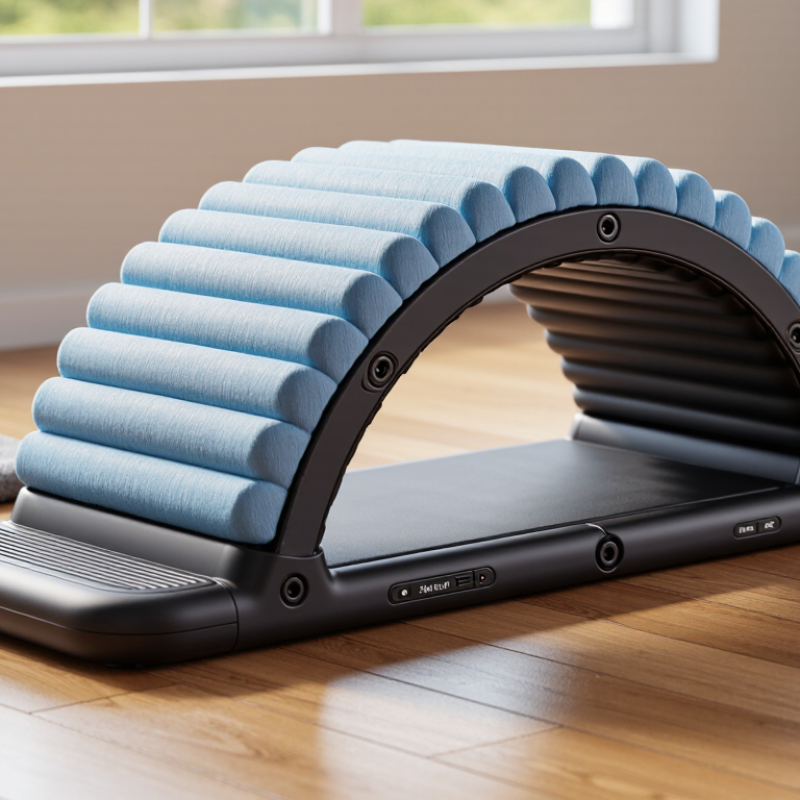
Understanding how back stretchers work starts with simple body mechanics. Most models support the spine while gently guiding it into extension. This position may counter long hours of sitting, when the hips stay bent and the upper back rounds forward. Curved supports press against specific areas, such as the lumbar muscles or the middle back. That pressure can encourage tight muscles to relax and may improve short-term comfort.
The effect is usually passive, not a powerful spinal “decompression.” A stretcher cannot reliably pull discs apart or correct every source of back pain. I once assumed stronger pressure meant better results. That was an oversimplification. A useful device should feel firm but tolerable, with adjustable height or several support levels. Your pelvis should remain stable, and your breathing should stay easy. Small adjustments matter.
Use it on a flat surface for a short session, often five to ten minutes at first. Stop if you feel sharp pain, numbness, tingling, dizziness, or pain moving into a leg. People with recent injuries, osteoporosis, unexplained weakness, or post-surgical restrictions should ask a qualified healthcare professional before trying one. Clinical advice is especially important because similar symptoms can have very different causes. A back stretcher may support mobility work, but it should not replace strengthening, movement practice, or a proper assessment. Some users also need a gentler curve than expected.
Identifying your back stretching needs should come before choosing any device. Notice when discomfort appears: after sitting, lifting, sleeping, or walking. Record the location, intensity, and duration for several days.
A dull ache near the lower back may need gentle mobility work, while sharp pain can require professional assessment. Do not stretch through numbness, weakness, or pain travelling down your leg.
Think about your daily routine. If you work at a desk, a mild stretcher may help open the hips and reduce stiffness after long sitting.
If your back feels tight after exercise, controlled extension or supported flexion may be more suitable.
Your height, flexibility, and spinal history also matter. A curved surface that feels comfortable for one person may feel excessive for another.
Start with low intensity and short sessions, perhaps five minutes on a stable floor. Breathe normally, and stop if symptoms increase during or after use.
A physical therapist can help identify whether your main need is mobility, relaxation, or posture support. It is easy to assume stronger stretching works faster. That is not always true.
I would reassess the choice after one week, because comfort alone does not prove that a stretcher is helping. A simple journal can reveal useful changes, including easier standing, fewer morning aches, or no improvement at all.
How to Choose the Best Back Stretcher in 2026?
Back pain affects an enormous population. The World Health Organization reported 619 million cases of low back pain in 2020. Its forecast suggests this number could reach 843 million by 2050. The Global Burden of Disease 2021 study also identifies low back pain as a leading cause of disability worldwide. These figures make product selection important, but they do not prove that every stretcher works for everyone.
A passive arched stretcher gently encourages lumbar extension. It suits users who prefer short, controlled sessions on a firm floor. Look for adjustable height, rounded edges, and stable contact points. Foam rollers offer broader movement across the back and hips. Their uneven pressure may feel intense, especially near the ribs. Inflatable traction devices provide adjustable pressure, but fit and inflation control matter greatly. A useful check is simple: your pelvis should stay supported, without sharp pain or numbness.
In practical testing, comfort often matters more than the deepest stretch. Start with five minutes. Increase gradually. A device that forces a dramatic curve may look effective, yet it can encourage poor positioning. I would not automatically choose the strongest setting. That assumption needs reconsideration. Research evidence for consumer stretchers remains limited, and product instructions cannot replace clinical assessment. Stop if symptoms travel down the leg, weakness appears, or pain worsens after use. Examine materials, cleaning instructions, weight limits, and return policies before purchase. Safety details are easy to overlook.
Comparing common back-stretching device types by portability, adjustability, intensity control, and setup simplicity. Ratings use a 1–5 scale based on typical product specifications and intended use, without brand-specific data.
How to read the chart: A higher score indicates more convenience or control. Foam rollers are highly portable and simple to use, while adjustable lumbar arches and traction devices generally provide more control over stretching intensity. Inversion equipment can offer strong stretching potential but usually requires more space and setup.
How to Choose the Best Back Stretcher in 2026?
Safety should guide every adjustment. The World Health Organization reports that low back pain affected 619 million people in 2020. It may reach 843 million cases by 2050. This scale makes cautious product selection important. Choose a stretcher with a stable base, rounded contact points, and clear weight limits. Test it on a firm, non-slip floor. Loose hinges or sharp edges are immediate warning signs. Never chase intense pressure.
Comfort depends on body contact, not dramatic arching. A supportive surface should spread pressure across the back. It should not pinch the spine or force the neck forward. Foam padding can feel pleasant, but excessive softness may reduce stability. The WHO 2023 guideline supports exercise and self-management for chronic primary low back pain, not passive devices alone. A stretcher should complement movement, not replace professional assessment.
Adjustability is useful only when settings change gradually. Begin with the lowest curve and short sessions. Check whether your shoulders, hips, and pelvis remain aligned. Stop if numbness, sharp pain, dizziness, or unusual weakness appears. A practical mistake is trusting a high setting too quickly. I would also question fixed angle claims without independent testing data. Look for measurable positions, readable instructions, and a return policy. The safest fit may feel modest.
Choosing the Right Back Stretcher for Your Budget
A back stretcher should match your needs, not simply your wallet. I once chose a cheap, rigid model because it looked practical. After ten minutes, its hard edges felt uncomfortable, and I stopped using it. That experience taught me an important lesson: comfort affects consistency.
Under $30, look for a stable base, smooth edges, and several gentle height settings. Basic materials can work, but inspect the hinges and support points carefully. A mid-range option, around $30 to $70, may offer better padding, stronger construction, and finer adjustment. These features can make stretching easier for people with limited mobility. Avoid paying extra for decorative features you will rarely use.
Above $70, consider adjustable designs with replaceable padding, clear weight limits, and reliable warranty terms. A higher price does not guarantee better support. Check whether the device keeps your spine comfortably aligned without forcing a deep arch. Start with short sessions, such as two or three minutes, and stop if pain, numbness, or weakness appears. People with recent injuries, osteoporosis, or unexplained back pain should ask a qualified healthcare professional before using one. The most suitable purchase may be the model you can use calmly and regularly, although I admit budget pressure can make that choice less obvious.
| Back Stretcher Type | Typical Price Range | Typical Size | Common Materials | Adjustment Range | Typical Weight Capacity | Best For | Main Advantages | Important Limitations |
|---|---|---|---|---|---|---|---|---|
| Basic Foam Arch | $15–$30 | Approximately 30–38 cm long; 15–20 cm wide | High-density foam with a fabric or synthetic-leather cover | Usually fixed; one or two height positions | Usually up to 100 kg | First-time users and limited budgets | Lightweight, inexpensive, portable, and simple to use | Less precise support and usually lower durability than rigid designs |
| Contoured Rigid Arch | $25–$55 | Approximately 35–40 cm long; 18–25 cm wide | ABS plastic or reinforced polymer with padded contact areas | Often fixed or limited to two height settings | Commonly 100–150 kg | Users wanting firmer lumbar support | Stable shape, easy to clean, and suitable for short daily sessions | A rigid profile may feel too intense for sensitive users |
| Multi-Level Adjustable Stretcher | $35–$75 | Approximately 35–42 cm long; 20–27 cm wide | Reinforced plastic, foam padding, and non-slip rubber feet | Typically 3–5 height or curvature levels | Commonly 100–150 kg | Most users seeking adjustable intensity | Offers gradual progression and better fit across different body sizes | More moving parts can increase setup time and wear |
| Acupressure-Style Back Arch | $25–$60 | Approximately 35–42 cm long; 18–25 cm wide | Plastic frame with molded pressure points and padded sections | Usually 3–4 height positions | Commonly 100–130 kg | Users who prefer targeted pressure points | Combines spinal extension with localized pressure along the back | Pressure points may irritate sensitive skin or tender areas |
| Lumbar Traction Device | $45–$100 | Approximately 30–45 cm long; 20–30 cm wide | Plastic or metal frame with foam pads, straps, or inflatable sections | May include adjustable height, angle, strap tension, or air pressure | Commonly 100–150 kg | Users seeking more controlled lumbar traction | Allows a more customized setup and can provide targeted lower-back support | Requires careful adjustment; stop use if pain, numbness, or tingling occurs |
| Foldable Travel Stretcher | $30–$70 | Approximately 30–40 cm long when assembled; folds for storage | Folding polymer or metal frame with foam padding | Usually 2–4 positions | Commonly 90–130 kg | Travelers and users with limited storage space | Compact storage, easy transport, and quick setup | Hinges and locks should be checked regularly for stability |
| Premium Wood or Metal Frame | $60–$120+ | Approximately 35–45 cm long; 20–30 cm wide | Finished wood or steel frame with padded support surfaces | Commonly 3–6 positions | Often 120–180 kg | Frequent users prioritizing construction quality | Strong frame, stable positioning, and potentially longer service life | Heavier, less portable, and more expensive than basic models |
| Buying check: Confirm the stated weight capacity, widest body-support dimension, adjustment-lock quality, non-slip base, padding firmness, and return policy. These figures are typical market ranges rather than specifications for a particular product. | ||||||||
Scan QR code to download the app
LSP Products was founded by plumbers over 50 years ago with a focus on unparalleled innovation, superior product quality, and best-in-class service to the plumbing industry. Our primary focus is the new construction market where we develop products that make installations easy and provide significant cost savings to the plumbing/mechanical contractor. LSP has a manufacturing facility located in Monterrey, Mexico and a distribution center in Dallas, Texas. We are proud to offer many products designed and made in North America… About LSP
Submit the form below to receive the document via email.