What is Foam Insulation and How Does It Benefit You?
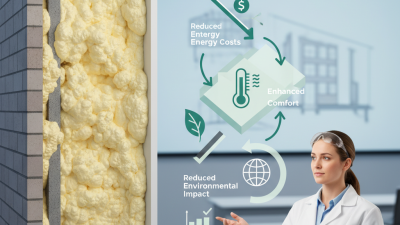
Foam insulation is gaining recognition in the construction and renovation sectors. A report by the National Association of Home Builders indicates that effective insulation can reduce energy costs by up to 30%. This statistic highlights the growing importance of energy-efficient materials.
Foam insulation, consisting of polyurethane and polystyrene, offers superior thermal performance. It expands to fill gaps and cracks, ensuring a tight seal. As a result, homes become more energy-efficient, leading to reduced heating and cooling expenses. A study conducted by the Department of Energy emphasizes that well-insulated homes significantly lower energy consumption.
However, the market for foam insulation is not without controversy. Concerns about its environmental impact and volatility are crucial to address. Balancing energy efficiency with responsible sourcing and application of materials remains a challenge. As the industry evolves, ongoing research and transparent practices are essential for homeowner trust and safety.

Understanding Foam Insulation: Types and Materials
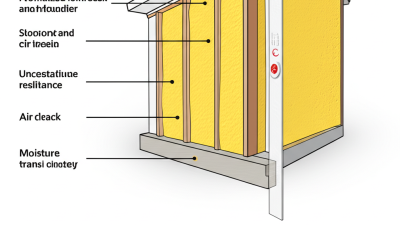
Foam insulation comes in various types and materials, each serving specific purposes in construction. The most common types include polyurethane, polystyrene, and spray foam. Polyurethane foam provides excellent thermal resistance, making it ideal for walls and roofs. In contrast, polystyrene foam, often used in insulation boards, offers rigidity and moisture resistance.
Spray foam insulation expands on application. It fills gaps and voids, providing a tight seal. This can reduce air leakage, leading to improved energy efficiency. When selecting insulation, consider factors like climate, budget, and the area of application.
Installing foam insulation can be tricky. It's essential to follow safety precautions. Ventilation is vital during the application to avoid inhaling fumes. One common mistake is underestimating the amount needed, leading to poor performance. Testing a small area can help measure effectiveness before a full installation.
Check for local building codes as they may dictate specific insulation requirements. By understanding the properties of each type of foam, homeowners can make informed choices. Always consult a professional for advice tailored to your unique situation.
The Process of Applying Foam Insulation in Homes
Foam insulation is an effective option for homeowners seeking energy efficiency. The application process is crucial for maximizing its benefits. Properly applied foam insulation can reduce energy costs by up to 30%, according to the Dept. of Energy. This type of insulation works by creating an airtight seal, preventing air leakage that could lead to wasted energy.
The first step in applying foam insulation involves thorough preparation. Homeowners should ensure that the area is clean and dry. This allows the foam to bond effectively. It's also essential to wear protective gear. While foam insulation can significantly improve energy efficiency, applying it without proper precautions may lead to exposure to harmful chemicals.
After preparation, the foam is applied using a spray mechanism. Technicians must cover all cracks and crevices to achieve a comprehensive seal. They should also monitor temperature and humidity levels during application. Both conditions can affect the foam's expansion and curing process. Post-application, homeowners should be vigilant about potential over-application. Foam that expands too much can lead to structural issues.
Insulating a home can drastically reduce energy consumption. Ensuring proper application is vital for safety and effectiveness. The process may seem straightforward, but it requires attention to detail and expertise. Utilizing trained professionals can make a big difference in achieving optimal results.
Key Benefits of Foam Insulation for Energy Efficiency
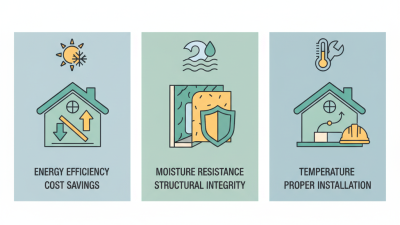
Foam insulation plays a crucial role in enhancing energy efficiency in homes and buildings. This type of insulation creates an airtight seal that prevents the escape of warm or cool air. By minimizing air leaks, foam insulation helps maintain a consistent indoor temperature. This can lead to a notable reduction in heating and cooling costs.
The benefits extend beyond energy savings. Foam insulation also contributes to noise reduction, creating a quieter environment. It acts as a sound barrier between rooms, making it ideal for homes in busy areas. Furthermore, its moisture resistance helps prevent mold growth. However, installation can be tricky. Proper application is vital for maximum effectiveness. Homeowners need to ensure that it’s applied by a professional. Otherwise, gaps or misapplications can compromise its performance.
Another detail worth noting is the importance of choosing the right type of foam. Different applications require different formulations. Some foam may be better suited for attics, while others are more effective in walls. Mistakes in selection can lead to inefficiencies. It’s essential to consult with an expert to evaluate your specific needs and conditions.
Comparing Foam Insulation to Traditional Insulation Methods
When comparing foam insulation to traditional methods, several key differences emerge. Foam insulation consists of expanding materials that create a tight seal around spaces. This results in exceptional thermal resistance. Traditional methods, such as fiberglass, often leave gaps. These gaps can allow air leaks, reducing energy efficiency. The insulation’s effectiveness largely depends on how well it fills intended spaces.
Foam insulation has superior air sealing properties. It forms a barrier that prevents moisture infiltration. This reduces the risk of mold growth compared to traditional materials. Many homeowners appreciate the quick application process of foam, which can save time and labor costs. However, foam insulation may require professional installation, presenting a potential barrier for DIY enthusiasts.
Some find foam insulation too rigid compared to traditional options. If your space changes over time, modifying foam may be complex. Homeowners should consider long-term plans when choosing insulation types. Each method has its trade-offs, and the right choice depends on individual needs and project goals.
Comparison of Foam Insulation and Traditional Insulation Methods
Common Applications and Considerations for Foam Insulation
Foam insulation has gained popularity across various sectors due to its efficiency and versatility. It provides exceptional thermal resistance, often achieving R-values between 3.5 to 6.5 per inch. This level of insulation significantly reduces energy costs, with some studies indicating savings of up to 30% in heating and cooling expenses. Homeowners and builders alike are increasingly considering foam insulation as a long-term investment in energy efficiency.
Common applications of foam insulation include residential buildings, commercial spaces, and industrial facilities. Its use in attics and crawl spaces is particularly effective, as it seals gaps and prevents air leaks. According to a report from the U.S. Department of Energy, proper insulation can enhance indoor comfort and improve air quality. However, it's essential to assess the specific needs of each project. Not all foam types are ideal for every application. For instance, closed-cell foam may not be suitable in areas with high moisture levels without proper ventilation.
While foam insulation offers significant benefits, there are considerations to address. Installation requires careful handling and expertise to avoid potential hazards such as off-gassing. Furthermore, the environmental impact of some foam materials is under scrutiny. Evaluating the sustainability of the product is crucial for eco-conscious builders. Seeking guidance from professionals can ensure that the chosen solution meets both performance and environmental standards.



 Skip to main content