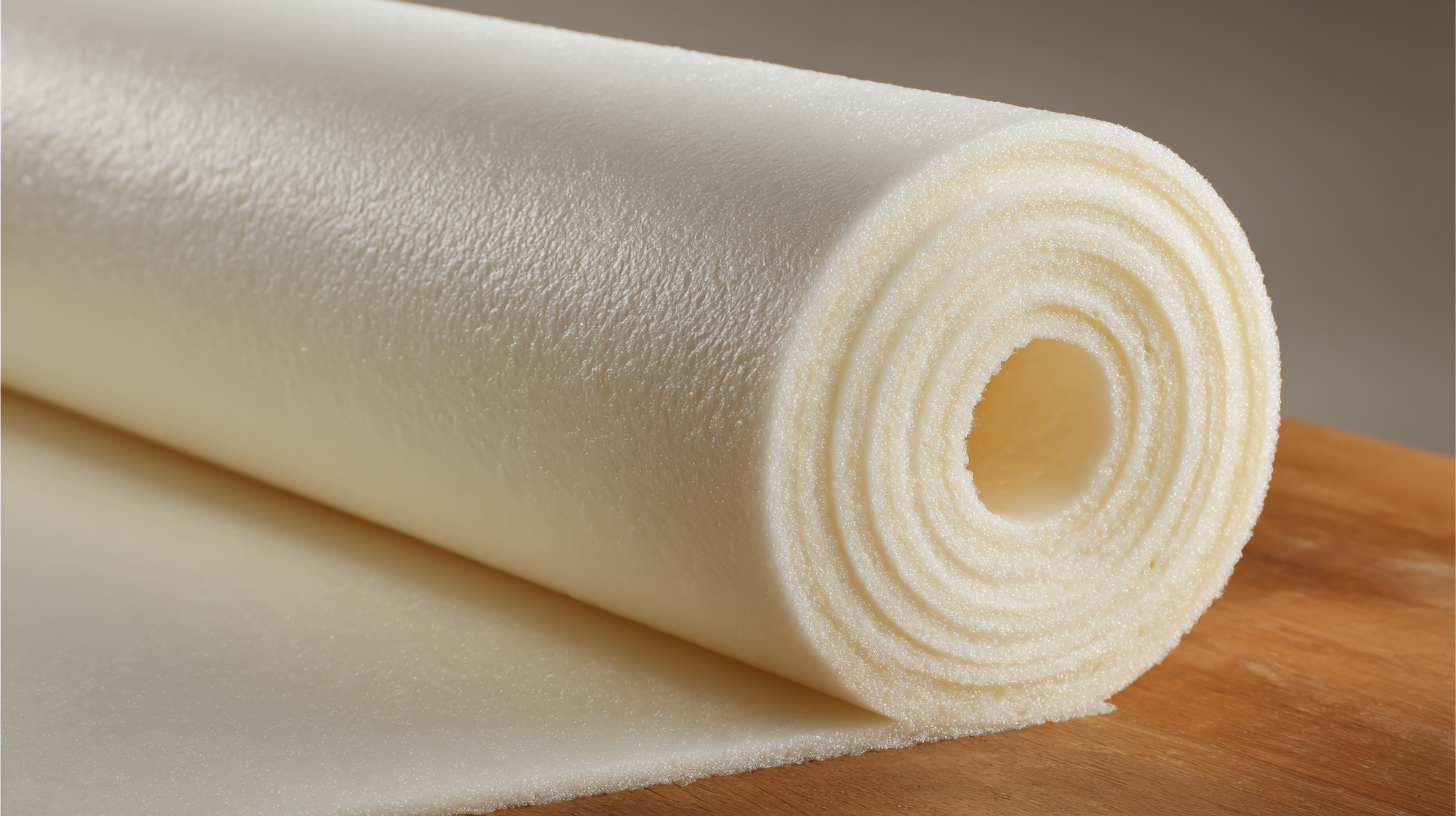
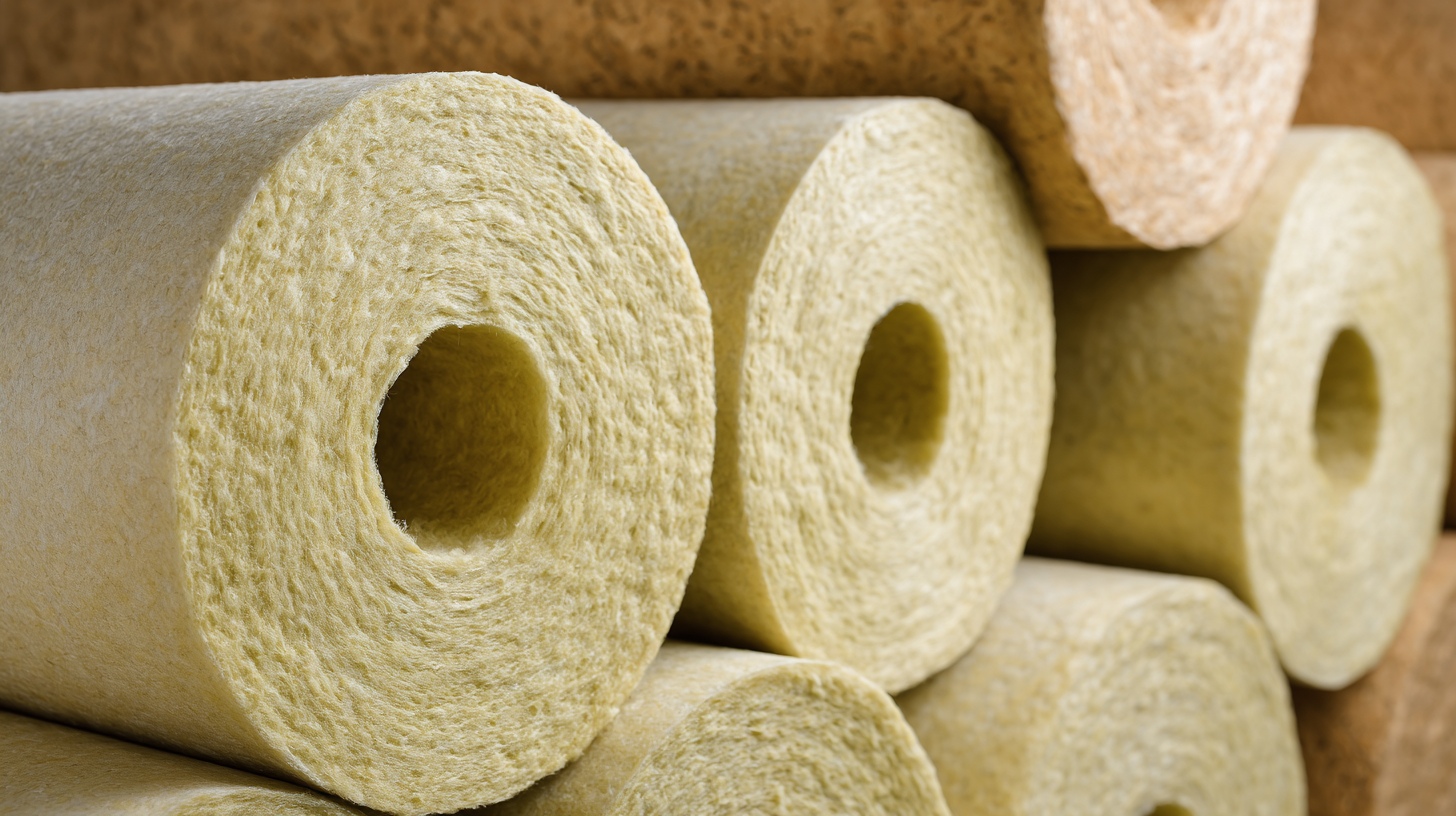
As energy costs continue to rise, homeowners are increasingly seeking effective solutions to enhance their home's energy efficiency. One often overlooked but crucial component of this endeavor is pipe insulation foam. According to the U.S. Department of Energy, properly insulating pipes can lead to energy savings of 10% to 30% on heating costs. With heating systems accounting for a significant portion of household energy consumption, investing in quality pipe insulation foam is not just a smart choice but a necessary step towards a sustainable home. This guide provides essential insights into the various types of pipe insulation foam, their benefits, and practical installation tips, empowering homeowners to make informed decisions that contribute to both environmental conservation and financial savings.
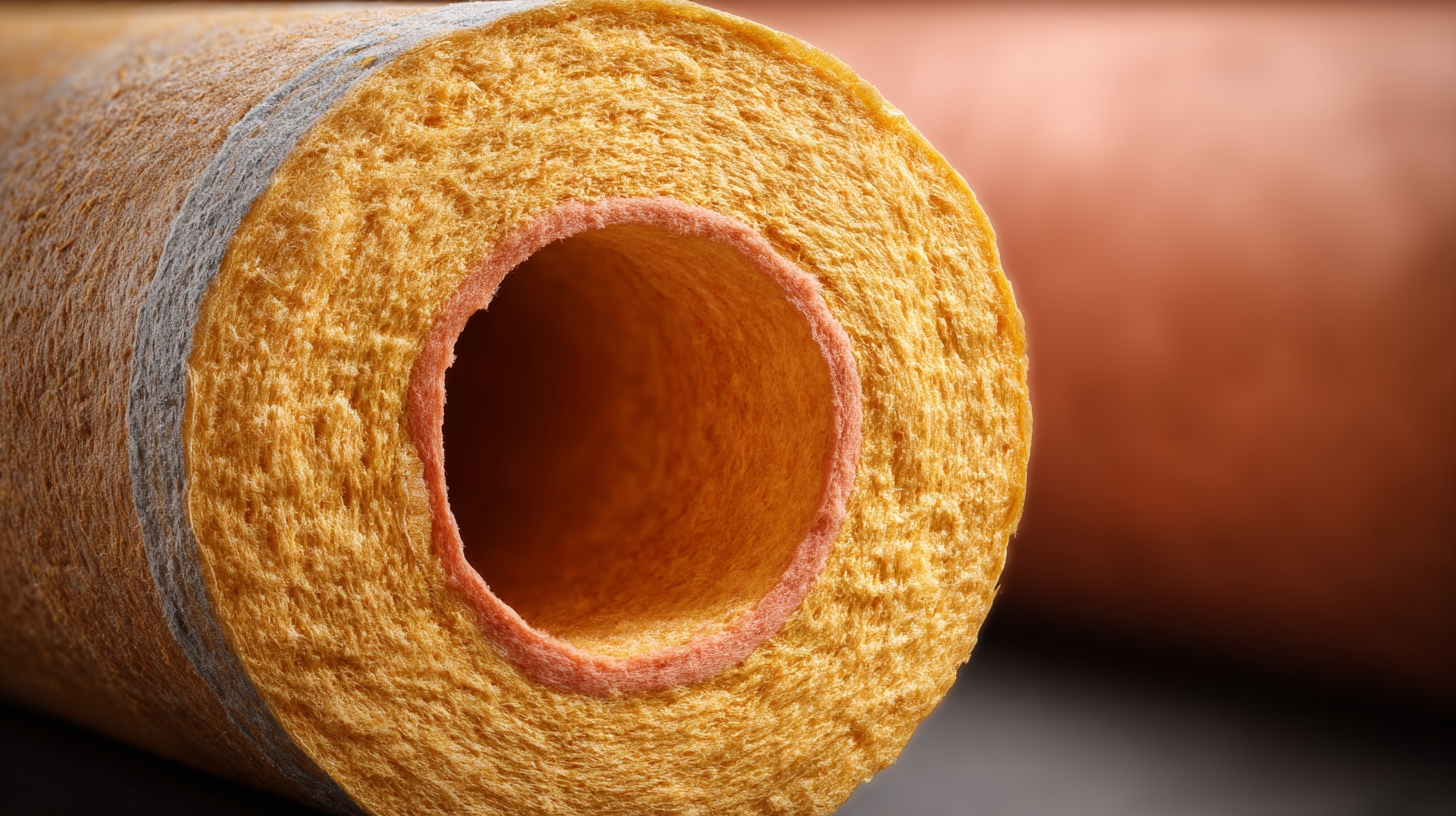
Pipe insulation foam is a crucial component for homeowners looking to improve energy efficiency and reduce utility costs. According to the U.S. Department of Energy, insulating pipes can save between 10% to 20% on heating bills, particularly in colder climates where heat loss through uninsulated pipes can be significant. There are various types of pipe insulation foam available, including fiberglass, foam rubber, and polyethylene, each offering different levels of thermal resistance and moisture prevention.
Fiberglass insulation, for instance, not only provides excellent thermal protection but also has a higher temperature tolerance, making it ideal for hot water pipes. Meanwhile, foam rubber insulation is flexible and easy to install, accommodating various pipe shapes and sizes. The choice of insulation material can significantly affect a home's energy efficiency, with studies suggesting that properly insulated pipes can reduce overall energy consumption by up to 10% annually. Homeowners should consider their specific needs and local climate when selecting the right type of pipe insulation foam to maximize benefits and enhance comfort within their homes.
| Type of Pipe Insulation Foam | Material | Recommended Use | R-Value | Benefits |
|---|---|---|---|---|
| Flexible Foam | Polyethylene | Hot and cold water pipes | 3.0 – 4.2 | Cost-effective, easy to install |
| Rigid Foam | Polyurethane | HVAC ducts | 5.0 – 8.0 | High insulation value, durable |
| Pipe Wrap | Fiberglass | Pipes in unconditioned spaces | 2.0 – 4.0 | Temperature control, soundproofing |
| Reflective Foil | Foil-faced foam | Outdoors and in attics | 3.5 – 7.0 | Reflects heat, energy savings |
When selecting the best pipe insulation foam for your home, several key factors come into play. Firstly, the thermal resistance, commonly referred to as R-value, is crucial. According to the U.S. Department of Energy, properly insulating pipes can reduce energy loss by up to 45%, highlighting the importance of high R-value insulation.
Foam insulation typically offers R-values ranging from 3.0 to 7.0 per inch, with closed-cell foam providing superior thermal performance compared to open-cell varieties due to its compact structure.
Another important factor is the material's moisture resistance. Insulation materials that absorb moisture can lead to mold growth and damage to the pipes themselves. A report from the National Insulation Association emphasizes that selecting moisture-resistant foam can prevent such issues while enhancing energy savings. Homeowners should also consider the ease of installation; products that are self-sealing can significantly reduce installation time and improve overall effectiveness.
By focusing on these key properties—thermal resistance, moisture resistance, and ease of installation—homeowners can choose the right pipe insulation foam that maximizes energy efficiency and long-term savings.
Proper pipe insulation foam plays a crucial role in enhancing energy efficiency in homes. According to the U.S. Department of Energy, homeowners can lose anywhere from 10% to 20% of their heating and cooling costs due to uninsulated pipes. By insulating hot water pipes, homeowners can maintain water temperatures more effectively, reducing the energy needed for heating. A report by the National Association of Home Builders emphasizes that insulating just a few feet of piping can yield an energy savings of up to 50% in some cases, translating into significant financial savings over time.
Additionally, the Environmental Protection Agency has identified pipe insulation as a cost-effective measure to enhance energy efficiency. Investing in high-quality foam insulation can save the average household between $100 and $300 per year on energy bills. Furthermore, with rising energy costs, the benefits of proper insulation become even more pronounced, leading to a shorter payback period for homeowners who decide to take this energy-saving step. This not only contributes to lower utility bills but also promotes a more sustainable living environment, aligning with the growing trend toward energy-efficient home improvements.
Pipe insulation foam is a practical DIY project that can significantly enhance your home’s energy efficiency. By covering exposed pipes with foam insulation, you can reduce heat loss in the winter and prevent condensation in the summer. Start by measuring the pipes that require insulation, ensuring that you select the right foam size for a snug fit. Most home improvement stores offer pre-slit foam tubes that are easy to install—simply wrap them around the pipes and seal with duct tape for optimal insulation.
When installing pipe insulation foam, it's essential to prioritize areas that are subject to temperature fluctuations, such as basements, attics, and exterior walls. Focus on hot water pipes and those carrying chilled water, as insulating these can lead to significant energy savings. Furthermore, be sure to insulate pipes in unheated spaces to prevent freezing during colder months. This DIY enhancement not only helps in lowering energy bills but also extends the lifespan of your plumbing system, making it a smart investment for any homeowner.
When homeowners decide to insulate their pipes, they often overlook common mistakes that can undermine their efforts. One frequent error is using the wrong type of insulation material. Choosing foam insulation that is not suitable for the specific temperature range of the pipes can lead to condensation and inefficient thermal performance. Selecting materials that are compatible with both hot and cold pipes is crucial to maintain optimal energy efficiency.
Another significant mistake is failing to seal gaps properly. Many homeowners neglect to cover joints and seams thoroughly, allowing heat to escape. It’s essential to ensure that every section of the insulation is tightly fitted and adheres to the pipes without leaving any exposed areas. Additionally, using adhesive or tape designed for insulation can enhance the effectiveness of the installation, preventing air leaks that render the insulation ineffective. By addressing these common pitfalls, homeowners can maximize the benefits of pipe insulation, leading to greater energy savings and improved comfort levels in their homes.
Scan QR code to download the app
LSP Products was founded by plumbers over 50 years ago with a focus on unparalleled innovation, superior product quality, and best-in-class service to the plumbing industry. Our primary focus is the new construction market where we develop products that make installations easy and provide significant cost savings to the plumbing/mechanical contractor. LSP has a manufacturing facility located in Monterrey, Mexico and a distribution center in Dallas, Texas. We are proud to offer many products designed and made in North America… About LSP
Submit the form below to receive the document via email.