Choosing the right Load Breaker is essential for any electrical system. A load breaker protects your circuit from overloads and faults. Selecting an appropriate model ensures safety and efficiency in your operations.
In today's market, options abound. Many load breakers promise reliability but vary in performance. Understanding your needs is crucial before making a decision. Factors such as voltage rating, current capacity, and application dictate the best choice for you. Consulting with experts can provide insights that guide your selection process.
However, it's easy to overlook key details. You might focus on brand reputation and ignore specific features that matter. A reliable load breaker not only meets standards but also fits your unique requirements. Taking the time to evaluate and reflect on your choices leads to wiser investments in the long run.
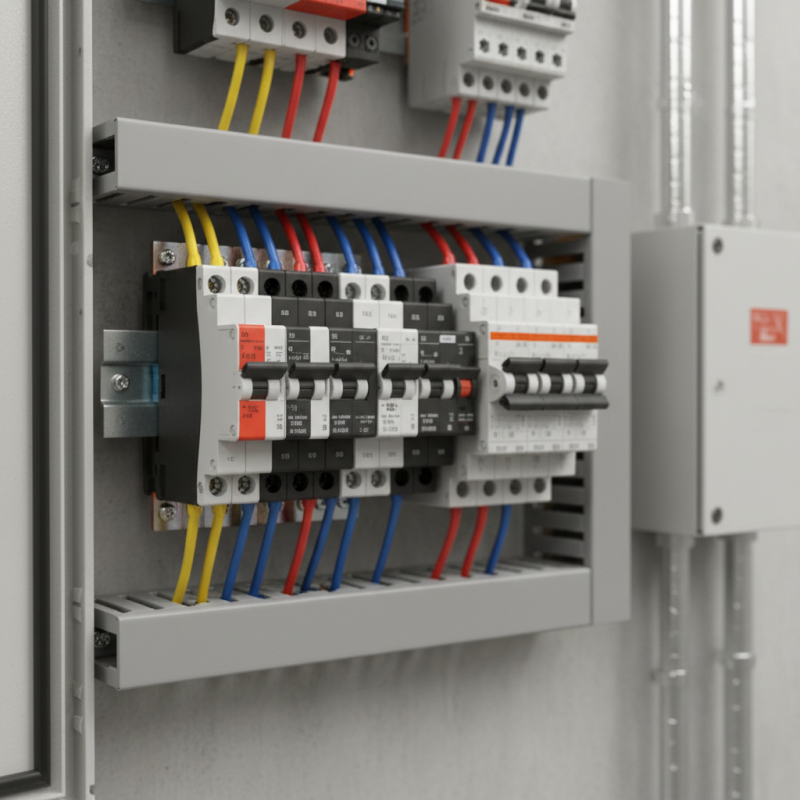
Load breakers play a critical role in electrical systems. They ensure the safety and efficiency of power distribution. According to a recent industry report from the International Electrotechnical Commission, load breakers can significantly reduce the risk of electrical fires and equipment damage. Proper installation and selection are essential for optimal performance.
In residential and commercial setups, load breakers protect circuits from overloads and short circuits. Data from the National Fire Protection Association shows that electrical failures are a leading cause of home fires, accounting for nearly 51,000 incidents annually. This highlights the importance of using the right load breaker to manage electrical loads effectively.
Many users underestimate their system requirements. An ill-suited load breaker can lead to frequent trips or, worse, total system failure. Understanding the electrical specifications of your system is crucial. Regular inspections and updates can foster improvements, but ignorance persists in some sectors. It is vital to acknowledge these gaps in knowledge and strive for accuracy when choosing equipment.

When selecting load breakers, it is crucial to understand the types available and their specific applications. The most common types include air-insulated, gas-insulated, and vacuum load breakers. Each type serves different environments and requirements. For example, air-insulated load breakers are well-suited for outdoor installations. According to a 2022 market report, air-insulated load breakers account for 45% of the market share due to their cost-effectiveness and reliability.
Gas-insulated load breakers, often used in urban areas, offer compact designs that save space. Their unique insulation properties make them suitable for high-voltage applications. The International Electrotechnical Commission states that gas-insulated systems can reduce maintenance needs by 50%. However, they also come with higher initial costs, which organizations must weigh against long-term savings.
Vacuum load breakers are notable for their quick operation and durability. They operate efficiently in harsh conditions and have a lifespan of over 20 years. However, their sensitivity to environmental factors can be a concern, requiring facilities to assess local conditions before installation. Understanding these nuances is essential for making informed decisions tailored to your specific needs.
When selecting a load breaker, understanding its key specifications is crucial. A load breaker's current rating is vital. This rating represents the maximum load it can handle safely. It's essential to choose a breaker that matches the expected load of your application. A breaker underrated for your needs could fail prematurely or cause unsafe conditions.
Another key specification is the voltage rating. Different applications run on different voltage levels. Choosing a breaker with an appropriate voltage rating is critical to ensure proper functioning. Additionally, consider the breaking capacity. This indicates how much fault current the breaker can interrupt. A high breaking capacity can prevent damage during faults.
Lastly, consider the tripping characteristics. Load breakers can trip under various conditions, and understanding these can help you avoid unnecessary downtime. It's also important to reflect on installation requirements. In some cases, improper installation could lead to performance issues. Evaluating these specifications carefully will help you find a load breaker that meets your specific needs.
When selecting a load breaker, specific environmental factors play a significant role. For instance, the geographic location determines the device's durability requirements. In coastal areas, equipment must resist corrosion from salty air. Conversely, in humid regions, moisture resistance is crucial. These conditions impact the materials used in manufacturing a load breaker.
Temperature extremes also affect performance. A load breaker in a desert environment must endure high heat without failure. Likewise, cold temperatures can impact electrical components. It is essential to evaluate the expected temperature range before making a selection.
Another factor is installation conditions. Indoor and outdoor environments require different designs. Indoor load breakers often focus on size and heat dissipation. Outdoor models must withstand rain and wind. Assessing these conditions can reveal potential issues. Often, users overlook these elements, leading to suboptimal choices. Reflecting on the specific environment can guide better decision-making.
Installing load breakers involves several best practices to ensure safety and efficiency. Begin with a thorough inspection of the area before installation. Ensure the location is clean, dry, and accessible. This minimizes the risk of accidents and equipment damage. Proper positioning enhances functionality.
Tips: Always double-check power sources before starting installation. Use the correct tools to avoid damaging components. Regularly maintain your load breakers to ensure they function optimally. This includes checking connections and inspecting for wear.
Maintenance is key to longevity. Schedule regular inspections. Look for signs of wear and tear. Promptly address any issues to avoid operational failures. Keeping a detailed maintenance log can help track performance over time. This proactive approach saves time and costs in the long run.
Scan QR code to download the app
LSP Products was founded by plumbers over 50 years ago with a focus on unparalleled innovation, superior product quality, and best-in-class service to the plumbing industry. Our primary focus is the new construction market where we develop products that make installations easy and provide significant cost savings to the plumbing/mechanical contractor. LSP has a manufacturing facility located in Monterrey, Mexico and a distribution center in Dallas, Texas. We are proud to offer many products designed and made in North America… About LSP
Submit the form below to receive the document via email.