How to Choose the Best White DTF Ink for Your Business?

Choosing the right White Dtf Ink can influence print quality, production speed, and customer satisfaction. White ink forms the foundation beneath most DTF designs. If coverage appears thin, bright colors may look dull on dark garments. If the ink settles quickly, nozzle checks may become frustrating and expensive. These details matter during daily production, not only during product demonstrations.

A reliable choice should match your printer, printhead, film, powder, and curing process. Check the manufacturer’s technical data carefully. Look for information about viscosity, recommended temperature, shelf life, shaking requirements, and compatibility. In practical testing, print a solid white block and several fine details. Then wash the garment after curing. Examine opacity, stretch resistance, hand feel, and edge definition. A smooth first print proves very little.

Cost also deserves a wider view. Cheaper ink may create more maintenance, wasted film, clogged nozzles, or rejected garments. Ask suppliers about batch consistency, storage guidance, technical support, and replacement policies. A small sample order is safer than purchasing several cartons immediately. No choice is perfect. Even a well-reviewed product may behave differently in your workshop. Humidity, printhead condition, and curing temperature can change the result. Record each test, including failures. Honest observations often reveal more than attractive specifications. The best White Dtf Ink is the one that performs consistently in your actual workflow.
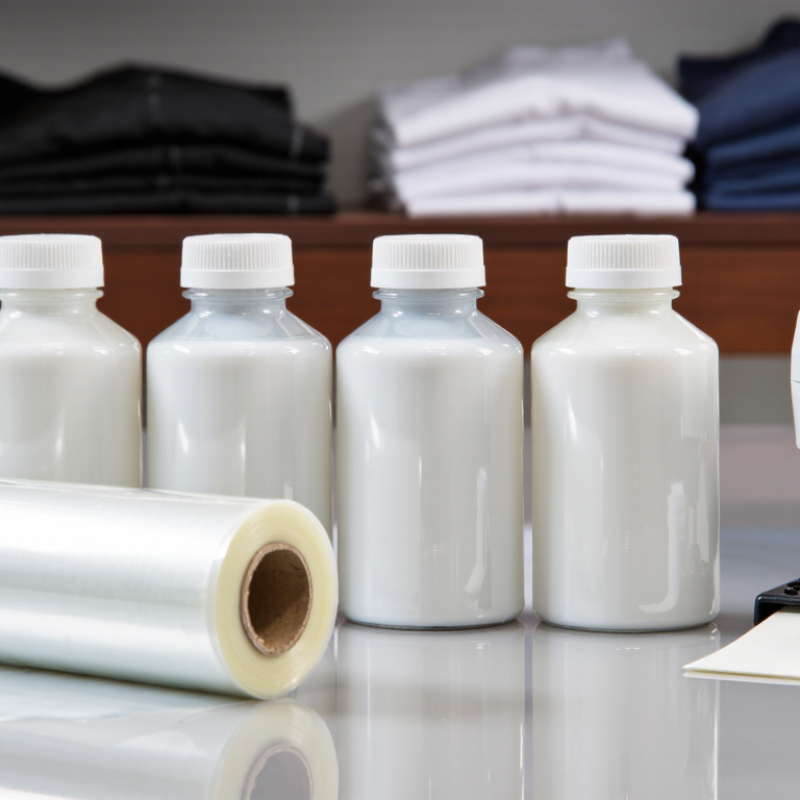
How to Choose the Best White DTF Ink for Your Business?

What Is White DTF Ink and Why Does It Matter?

How to Choose the Best White DTF Ink for Your Business?

What Is White DTF Ink and Why Does It Matter?

White DTF ink forms the base layer beneath colored ink on transfer film. It helps bright artwork remain visible on dark garments. Without enough white ink, colors may look dull, thin, or uneven. The ink must also flow smoothly through fine printhead nozzles. Poor flow can create missing lines, weak coverage, and repeated cleaning.

In practical production, check opacity, viscosity, drying behavior, and sedimentation. White pigment naturally settles faster than colored pigment. Regular circulation or gentle agitation may be necessary. Always follow the printer and ink manufacturer’s technical guidance. I have seen attractive test prints fail after washing because curing was incomplete. That mistake is easy to repeat when speed matters. Stronger white is not always better, either. Excess ink can increase powder use, stiffness, and production costs.

Tips: Print a small test chart before ordering large quantities. Check white coverage on black, cotton, and blended fabric. Inspect nozzle patterns at the start and end of a shift. Record washing results after curing. Keep storage conditions stable, and avoid using ink beyond its recommended period. A simple log can reveal problems before they affect customer orders. Some businesses skip this step. They often regret it later.

Which White DTF Ink Properties Affect Print Quality?

White DTF ink does more than create a bright background. Its opacity controls color strength on black cotton and dark polyester. A thin, weak layer can make red look dull and blue appear uneven. Maximum whiteness is not always the best target. Excessive ink deposits may feel heavy and crack after washing. Test opacity on the transfer film, not only in the bottle. Examine the printed image under natural light and compare it with a standard color sample.

Viscosity also affects print quality. If the ink is too thick, nozzles may clog and fine details can disappear. If it is too thin, white coverage may look patchy. Stable pigment dispersion matters just as much. Settled particles can create gray streaks or uneven underbases. Gently mix the ink according to its technical instructions, then inspect nozzle patterns before production. I once blamed the film for broken white lines. The real problem was inconsistent ink flow.

Drying and curing properties influence softness, adhesion, and wash durability. A white layer that remains wet may bleed into colored ink during powder application. Excessive heat can make the print feel stiff or damage sensitive fabric. Use measured temperature and dwell time, rather than guessing from surface appearance. Wash tests reveal problems that a fresh transfer hides. Check cracking, peeling, color loss, and hand feel after several cycles. Record humidity, fabric type, curing settings, and ink behavior for each test. Small records prevent repeated mistakes.

How to Compare White DTF Ink Compatibility and Performance?

Choosing white DTF ink requires more than checking opacity. Compare its chemistry with your printhead, film, adhesive powder, and curing workflow. Ask for a technical data sheet before ordering. Confirm viscosity, recommended nozzle size, storage temperature, and shelf life. Compatible ink should circulate smoothly without frequent head cleaning. Watch the reservoir during a two-hour print run. Stable flow matters.

Run a controlled sample, not a single attractive shirt. Print gradients, fine text, and solid white blocks on the same film. Inspect under bright light for pinholes, gray edges, or uneven coverage. Check wet ink behavior before powdering. Excessive spreading can blur small letters. After curing, stretch and wash the transfer several times. Record opacity, hand feel, adhesion, and color consistency. My own trials sometimes looked excellent before washing, then cracked at the fold.

Performance also changes with humidity, room temperature, and idle time. Keep these conditions in a simple test log. Compare nozzle checks at the beginning and end of each shift. If white ink settles quickly, gentle circulation may help, but follow equipment guidance. Do not assume a higher pigment load means better production. It can clog. Reliable suppliers should provide batch details, troubleshooting data, and responsive technical support. Test a small quantity first. That protects your schedule and exposes compatibility problems early.

How to Choose the Best White DTF Ink for Your Business?

Suggested evaluation weights for comparing white DTF ink compatibility and performance.

Opacity and print-system compatibility receive the highest weights because they directly affect coverage, color brightness, clogging risk, and production stability. Wash durability, curing reliability, and viscosity stability should also be tested under your actual printer, film, powder, curing, and washing conditions.

What Equipment and Workflow Factors Should You Consider?

How to Choose the Best White DTF Ink for Your Business?

Choosing white DTF ink starts with your equipment, not the ink bottle. Printhead compatibility, circulation design, and nozzle size affect stability. Grand View Research valued the digital textile printing market at approximately USD 2.8 billion in 2023. Its report forecasts strong growth through 2030. That growth increases pressure for reliable workflows.

White pigment settles quickly. Check the printer’s agitation cycle, recirculation path, and approved viscosity range. A narrow range can cause missing nozzles after minor temperature changes. Test opacity on dark cotton, polyester, and stretch fabric. Ask for batch consistency data, not only a bright sample. White is unforgiving.

Your workflow must protect quality and labor time. Measure curing temperature, powder coverage, wash durability, and purge frequency. The International Textile Manufacturers Federation’s 2024 survey identified energy costs as a major industry concern. Choose ink that cures within your dryer’s actual thermal profile. Laboratory settings can mislead. Log nozzle checks every shift. Record humidity too. Powder behavior changes on rainy days. I have seen teams blame ink when clogged filters caused the failure. The diagnosis was incomplete.

Tips: Run a two-week pilot before full adoption. Compare prints after curing and after 24 hours. Keep a retained sample from every ink lot. Review technical sheets and independent test results. Do not choose by liter price alone. Cheaper ink may require more purges, downtime, and rework. Missing data is a warning sign.

How to Select White DTF Ink for Your Business Needs?

Choosing white DTF ink starts with your workflow, not a glossy product sheet. I compare ink with the printer heads, film, powder, and curing settings already in use. A mismatch can cause weak coverage, clogged nozzles, or a rough print surface. Check the technical data sheet for viscosity, curing temperature, shelf life, and recommended shaking or circulation. Test it first.

For dark garments, opacity matters, but excessive whiteness may increase ink use and stiffness. Print a small chart with fine text, solid blocks, and skin-tone graphics on cotton and polyester samples. Inspect each transfer after pressing, washing, and stretching. I look for pinholes, cracking, powder adhesion, and color shift under normal light. Keep records of nozzle checks and white-layer settings. Small samples reveal expensive problems.

Match the ink to your production rhythm. A busy shop may need stable circulation and longer open time, while occasional printing demands careful storage and easy restarting. Ask suppliers for batch consistency, safety documents, and technical support, then verify claims through your own trial. Cost per bottle is not enough; include waste, maintenance, downtime, and failed transfers. I once favored a lower price and regretted the cleanup. The cheaper option was not cheaper. Recheck the choice when your fabrics, equipment, or workflow changes.

How to Choose the Best White DTF Ink for Your Business? - How to Select White DTF Ink for Your Business Needs?

Business Need Recommended White DTF Ink Characteristics Typical Selection Target Why It Matters Checks Before Purchase
High-volume production Stable formulation with consistent jetting, good recirculation performance, and low sedimentation. Designed for continuous operation; verify printer-specific circulation requirements. Reduces nozzle clogging, print interruptions, and white-layer inconsistency during long production runs. Review nozzle-test results, recommended maintenance intervals, and compatibility with the printer's white-ink circulation system.
Small studio or occasional printing Good storage stability and easy daily maintenance rather than maximum production speed. Choose an ink supported by a clear daily-shaking or circulation procedure. Infrequent use allows pigment to settle, which can cause blocked nozzles and uneven opacity. Confirm shelf life, storage conditions, settling guidance, and the recommended restart procedure after idle periods.
Bright prints on dark garments High-opacity white ink with even coverage and good layer uniformity. Use a white underbase or white-color-white workflow when supported by the RIP software. A dense and uniform underbase helps prevent dark fabric from reducing color brightness. Compare coverage on black, navy, and red fabrics using the same resolution, pass count, and white-ink percentage.
Fine details and small text Consistent droplet formation, reliable nozzle performance, and controlled viscosity. Follow the printer manufacturer's specified viscosity and surface-tension range. Stable droplet placement improves edge sharpness and reduces misting or fuzzy outlines. Request technical data for viscosity, surface tension, particle size, and recommended printhead type.
Fast turnaround orders Ink and powder system that supports dependable curing at the selected production speed. Confirm the recommended curing temperature and dwell time for the complete ink-and-powder system. Insufficient curing can cause poor wash durability, while excessive heat may affect fabric or transfer appearance. Perform wash, stretch, and adhesion tests after curing under your actual conveyor or oven settings.
Soft-hand premium garments Efficient white coverage with the lowest practical ink and powder deposit for the required opacity. Optimize white density and powder coverage instead of automatically using the maximum white layer. Lower material buildup can improve flexibility and reduce a heavy or plastic-like hand feel. Compare hand feel, opacity, stretch recovery, and wash performance on the target fabric.
Mixed fabric orders Broad transfer compatibility and a curing profile suitable for cotton, polyester, and blends. Test each major fabric category; do not assume one setting fits every textile. Fabric type, dye migration, heat sensitivity, and surface finish can affect color and durability. Run separate tests for light and dark fabrics, especially sublimated polyester and heat-sensitive materials.
Cost-sensitive operation Consistent opacity at an efficient white-ink consumption level, with low waste from maintenance. Evaluate total cost per finished transfer, not only the price per kilogram or liter. Low purchase price can be offset by higher consumption, frequent cleaning, failed prints, or short shelf life. Calculate ink use, powder use, maintenance waste, reprint rate, labor, and expected usable shelf life.
Long-term color consistency Batch-to-batch consistency and documented quality-control procedures. Keep the same ink formulation and RIP profile whenever possible. Changes in whiteness, viscosity, or pigment dispersion can alter the appearance of repeat orders. Archive test prints, record batch numbers, and compare opacity and color under consistent lighting.
Printer compatibility Ink chemistry, viscosity, surface tension, and particle size suitable for the installed printhead. Use only an ink explicitly approved for the printer and printhead configuration. Incompatible ink may cause poor jetting, clogged nozzles, damage to dampers, or unstable circulation. Check the printer manual, printhead specifications, warranty conditions, and supplier technical documentation.
Safe handling and storage Clear safety documentation, sealed packaging, and practical storage requirements. Store according to the product's safety data sheet, typically away from freezing, heat, and direct sunlight. Improper storage can change ink performance and increase the risk of sedimentation or contamination. Read the SDS and technical data sheet; check transport conditions, expiration date, and disposal guidance.
Selection note: The recommended targets above are practical evaluation guidelines rather than universal specifications. Always confirm the ink's technical data sheet, printer compatibility, curing instructions, and wash-test performance before adopting it for commercial production.

Article Source:

LSP App

Download the LSP App now

Scan QR code to download the app

We use cookies to personalize content, utilize website traffic analytics & support our marketing initiatives. By continuing to browse our site you consent to receive our cookies. For more information see our Privacy Statement
Ok