How to Choose Spray Foam Insulation for Your Project?

Choosing spray foam insulation is not simply a question of selecting the highest R-value. The project’s climate, building design, moisture exposure, budget, and installer experience all influence performance. A sealed attic in Arizona faces different risks than a damp basement in Maine. The U.S. Department of Energy reports that air leakage can represent 25% to 40% of a home’s heating and cooling energy use. That figure explains why air sealing deserves careful attention, not just thicker insulation.

Spray foam insulation can reduce air movement while adding thermal resistance. Open-cell foam offers expansion and sound control, while closed-cell foam provides greater density and moisture resistance. However, neither product automatically solves every building problem. The ENERGY STAR Residential New Construction program identifies air sealing and insulation as key parts of energy-efficient construction, yet installation quality remains critical. Uneven coverage around a rim joist can leave a cold, narrow gap that encourages condensation.

A reliable selection process should compare manufacturer testing, climate suitability, compressive strength, vapor permeability, and verified R-value. Products should be evaluated against recognized standards, such as ASTM C1029 for spray-applied rigid cellular polyurethane foam. Professional installers should also confirm substrate temperature, ventilation requirements, and curing conditions. Small details matter.

The cheapest bid may not be the safest choice. Conversely, the most expensive foam may exceed the project’s actual needs. This guide examines practical trade-offs, supported by technical data and field-oriented considerations. It also acknowledges uncertainty, because real buildings rarely match laboratory conditions perfectly.
How to Choose Spray Foam Insulation for Your Project?

Project Requirements That Shape Your Spray Foam Insulation Choice

How to Choose Spray Foam Insulation for Your Project?

Project Requirements That Shape Your Spray Foam Insulation Choice

Your building’s location shapes the insulation decision. A humid coastal wall needs stronger moisture control than a dry interior partition. Check the climate, surface temperature, and expected condensation risk before selecting foam. Roof decks, crawl spaces, basements, and framed walls each behave differently. They should not receive the same specification automatically.

Open-cell foam can provide effective air sealing with a softer, lighter structure. It often suits interior walls and roof assemblies where vapor control is managed separately. Closed-cell foam offers higher insulation value per inch and better resistance to water vapor. It may fit tight cavities, metal buildings, or areas exposed to occasional moisture. More insulation is not always better. Thickness must match the assembly design.

The substrate also matters. Wood should be dry, clean, and free from dust or oil. Concrete may require moisture testing before application. Experienced installers check temperature, humidity, mixing conditions, and foam adhesion during the work. A small surface problem can cause hidden gaps later. I have seen carefully planned projects lose performance because corners were sprayed too quickly. That mistake is easy to miss.

Ask for the proposed R-value, foam density, fire protection method, and inspection process. Confirm local building requirements and ventilation procedures before work begins. Occupants may need to leave during installation and re-entry. Keep documentation for future repairs. A written specification is useful, but field conditions can still force changes. Recheck the plan when the building differs from the drawings.
How to Choose Spray Foam Insulation for Your Project?

Project requirements that shape your spray foam insulation choice

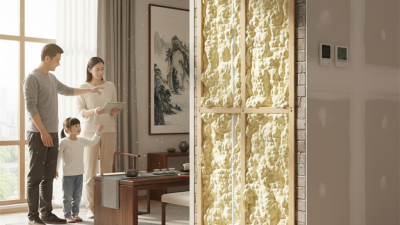
Closed-cell spray foam typically provides about 6.5 R-value per inch, making it suitable when wall or roof cavities are shallow, moisture resistance is important, or higher insulation performance is required. Open-cell foam typically provides about 3.5 R-value per inch and is often selected where greater thickness is available and sound absorption is a priority. Actual performance depends on installation quality, temperature, substrate conditions, and the product’s tested specifications.

Representative values shown: open-cell spray foam ≈ R-3.5 per inch; closed-cell spray foam ≈ R-6.5 per inch. Values are typical industry ranges and should be verified against the insulation system’s tested data and local building requirements.

Open-Cell and Closed-Cell Foam: Key Differences Explained

How to Choose Spray Foam Insulation for Your Project?

Choosing spray foam starts with the building, not the product label. Open-cell foam expands considerably and creates a soft, flexible air barrier. The U.S. Department of Energy’s Building America guidance commonly lists its R-value near R-3.5 to R-4 per inch. It remains vapor permeable. That can help walls dry, but it may need a separate vapor-control strategy in colder climates. It also absorbs water more readily. Think carefully.

Closed-cell foam is denser and more resistant to water vapor. DOE guidance commonly reports R-values around R-6 to R-7 per inch, depending on formulation and installation. That higher rating helps where wall depth is limited. It can also add some rigidity to an assembly. The trade-off is greater material cost and less drying potential. More insulation is not automatically better.

Installation quality changes the result. ENERGY STAR home-sealing guidance indicates that air sealing can reduce heating and cooling costs by up to 20% in suitable homes. However, foam must connect continuously around rim joists, penetrations, and irregular framing. A blower-door test can reveal missed leaks. A thermal camera can expose uneven coverage, although it cannot replace a skilled inspection. Ask for the installer’s training records, product data sheet, cured-density information, and ventilation plan. On real projects, the neat specification often fails at corners, ducts, or damp substrates. Those details deserve more attention than the advertised R-value.

How to Choose Spray Foam Insulation for Your Project? — Open-Cell and Closed-Cell Foam: Key Differences Explained

Comparison Factor Open-Cell Spray Foam Closed-Cell Spray Foam Project Consideration
Cell Structure Cells remain partially open, creating a soft and flexible foam. Cells are sealed, producing a denser and more rigid foam. Choose based on the required balance of flexibility, density, and structural performance.
Typical Density Approximately 0.4–0.7 lb/ft³ (6–11 kg/m³). Approximately 1.7–2.2 lb/ft³ (27–35 kg/m³). Higher density generally means greater strength and moisture resistance, but also higher material use.
Approximate R-Value per Inch About R-3.5 to R-4.0 per inch. About R-6.0 to R-7.0 per inch. Closed-cell foam is useful where wall or roof space is limited and a higher R-value per inch is needed.
Air Sealing Creates an effective air barrier when installed at sufficient thickness and continuity. Creates an effective air barrier and can provide high resistance to air leakage. Both types require careful installation around joints, penetrations, windows, and transitions.
Water Vapor Resistance More vapor-permeable and generally allows greater drying potential. Much less vapor-permeable and may function as a vapor retarder at sufficient thickness. Closed-cell foam can be advantageous in damp assemblies, but the local building code and assembly design still apply.
Water Absorption and Moisture Exposure Can absorb more moisture than closed-cell foam if exposed to water. Resists bulk water absorption better than open-cell foam, although it is not a substitute for proper waterproofing. Use drainage, flashing, and waterproofing systems regardless of the foam type selected.
Structural Contribution Provides limited reinforcement because it is relatively soft and flexible. Can add rigidity and may improve the strength of some wall or roof assemblies when properly designed. Do not treat spray foam as a structural system unless the assembly has been specifically engineered and approved.
Sound Absorption Typically performs better for sound absorption because its softer, porous structure helps reduce airborne noise. Can reduce air leakage but is generally less effective as a sound-absorbing material. Open-cell foam may be preferable for interior partitions where acoustic absorption is a priority.
Expansion Characteristics Expands significantly and can fill large cavities with less material. Expands less and forms a denser layer with higher performance per inch. Confirm the product’s expansion rate and installation requirements before application in enclosed spaces.
Weight on the Assembly Lightweight and adds relatively little load. Heavier because of its higher density. Consider the added weight when insulating ceilings, roofs, walls, or assemblies with load limitations.
Material Cost Usually has a lower material cost per board foot. Usually costs more per board foot because it uses more material and provides a higher R-value per inch. Compare total installed cost, required thickness, labor, and moisture-control needs rather than price alone.
Common Applications Interior walls, attic rooflines, large cavities, sound-control applications, and areas where drying potential is important. Exterior walls, crawl spaces, basements, low-clearance areas, metal buildings, and locations exposed to higher moisture risk. The correct choice depends on climate, building assembly, available space, and moisture-management strategy.
Temperature and Climate Suitability Can be suitable in many climates when the assembly is correctly designed and protected from moisture. Often selected for cold, humid, or moisture-sensitive conditions because of its higher R-value and lower vapor permeability. Climate zone, interior humidity, and seasonal drying direction should be reviewed by a qualified professional.
Fire and Thermal Protection Requires code-compliant coverings or thermal barriers in many interior applications. Also requires appropriate fire protection and may have additional application limitations. Follow the applicable building code and the insulation system’s tested installation instructions.
Best Overall Choice When You need economical air sealing, cavity filling, sound absorption, and greater vapor openness. You need maximum insulation performance in limited space, improved moisture resistance, and a more rigid foam layer. Have the complete wall, roof, or floor assembly evaluated before making a final selection.

Important: Actual performance varies by product formulation, installed thickness, climate, substrate, and application quality. Always verify local code requirements and use a qualified installer.

How to Compare R-Value, Moisture Control, and Air Sealing

Choosing spray foam insulation starts with the building’s actual problems, not the product label. R-value measures resistance to heat flow, but it does not tell the whole story. Higher R-value can reduce heat loss through a wall. Yet poor installation may leave thin spots, gaps, or compressed sections. On site, I would inspect framing depth, climate, and planned interior finish before comparing numbers. A small attic corner often reveals more than a brochure.

Moisture control deserves equal attention. Closed-cell foam generally resists water passage better and adds structural firmness. Open-cell foam can suit interior cavities where drying potential matters. The right choice depends on roof design, vapor movement, and local building requirements. Never use foam to hide an active leak. Fix the roof first. A humidity meter, visible staining, and musty odors can expose conditions that drawings miss. I have learned that “water-resistant” is not the same as waterproof. That distinction is easy to overlook.

Air sealing is where workmanship becomes measurable. Foam should meet rim joists, penetrations, corners, and irregular framing without skipped strips. Before covering it, check for daylight, loose edges, and uncured areas. Ask the installer about surface preparation, thickness checks, ventilation, and fire-protection requirements. A blower-door test can show whether leakage improved, although it cannot replace visual inspection. Compare the complete assembly, not R-value alone. Sometimes the cheaper choice performs better when installed carefully; sometimes it does not. Record the decision, including assumptions, because every building behaves differently.

Choosing the Right Foam for Walls, Roofs, Floors, and Foundations

How to Choose Spray Foam Insulation for Your Project?

Choosing the right spray foam depends on the building area, moisture exposure, and installation conditions. For walls, open-cell foam can fill irregular stud cavities and reduce air leakage. It usually needs a separate vapor-control strategy in colder or wetter regions. Closed-cell foam offers greater moisture resistance and structural support, but it costs more and expands more aggressively. A professional should check cavity depth before spraying. Small errors can leave hidden gaps.

Roofs need careful planning. Foam applied beneath the roof deck can create a more stable attic temperature. Closed-cell foam suits areas where limited thickness and moisture resistance matter. However, roof leaks must be repaired first. Foam can conceal water damage. That is a serious oversight. For floors above crawlspaces, choose a system that tolerates humidity and bonds well to clean surfaces. Air sealing the rim joists can improve comfort, but ventilation requirements still need review.

Foundations face soil moisture, cold surfaces, and occasional water pressure. Closed-cell foam is often considered for basement walls because it resists moisture better. The concrete should be dry, sound, and free from dust or release agents. Installers also need to manage temperature, mixing, and ventilation during application. Poorly conditioned materials may cure unevenly or remain soft. Local building codes determine thickness, fire protection, and thermal barriers. Technical documents matter more than a sales claim. I would also inspect the finished surface, because a smooth appearance does not prove complete coverage.

Safety, Installation Standards, Cost, and Long-Term Performance

How to Choose Spray Foam Insulation for Your Project?

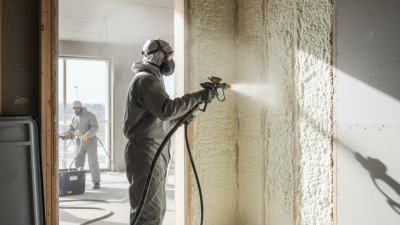
Safety should guide every spray foam decision. Choose a qualified installer who follows local building codes and documented application procedures. Workers need respirators, protective clothing, and controlled ventilation during spraying. Occupants should remain outside until the product has fully cured and the space is cleared for re-entry. This timing varies, so follow the safety data sheet and installer’s written instructions. Never cover electrical equipment, vents, or moisture-damaged surfaces without inspection. Small preparation errors can create expensive problems later.

Installation standards affect both performance and cost. Ask how the crew will measure substrate temperature, moisture, foam thickness, and adhesion. Request a written scope showing open-cell or closed-cell foam, target thickness, thermal barriers, and inspection requirements. Local rules may require a fire-protective coating or additional testing. A low quote may exclude surface preparation, difficult access, air sealing, or code-required coverings. Compare complete installed prices, not just the cost per square foot. Payback estimates are useful, but they are never perfect.

Long-term performance depends on more than the foam itself. Properly installed foam can reduce air leakage and help stabilize indoor temperatures. Yet roof leaks, ultraviolet exposure, movement, and trapped moisture can damage the system. Inspect edges, penetrations, and roof areas during regular maintenance. Keep the installation records and product documentation. I would also photograph concealed areas before closing the walls. That extra step feels minor, but it can prevent disputes when repairs become necessary.

LSP App

Download the LSP App now

Scan QR code to download the app

We use cookies to personalize content, utilize website traffic analytics & support our marketing initiatives. By continuing to browse our site you consent to receive our cookies. For more information see our Privacy Statement
Ok