Choosing the right Electrical Breakers is crucial for any electrical system. Electrical breakers are essential components that protect your circuits from overloads and faults. Selecting the appropriate type is not always straightforward.
Many homeowners face various challenges when shopping for electrical breakers. The specifications can be overwhelming. You might question which amperage to choose or whether to go with single or double pole breakers. Additionally, understanding the difference between standard and GFCI breakers is vital for safety.
This process may require deeper knowledge and some trial and error. You must consider your home's electrical needs and the devices you use regularly. Inadequate breakers can lead to circuit failures or even fire hazards. The right choice reflects a balance between safety and functionality. It’s important to reflect on these aspects as you make your decision.
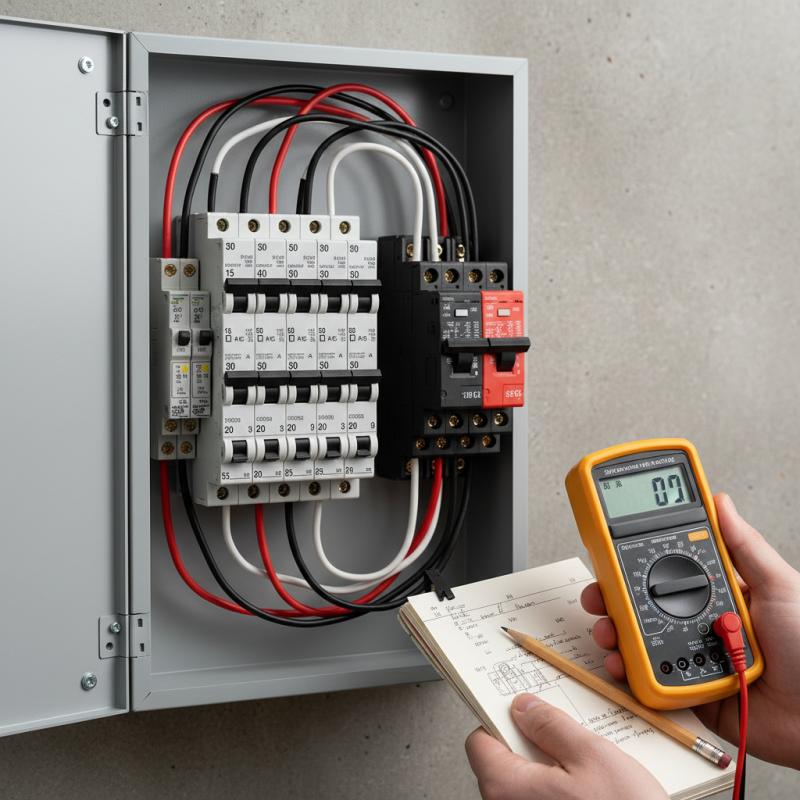
Understanding electrical breakers is essential for safety and efficiency in any electrical system. Breakers serve as the first line of defense against overloads and short circuits. They come in various types, including standard, GFCI (Ground Fault Circuit Interrupter), and AFCI (Arc Fault Circuit Interrupter) breakers. Each type addresses specific safety issues. According to the National Electrical Manufacturers Association, over 50% of home electrical fires are prevented by using the correct breakers.
Most homes require standard breakers for general circuits. GFCI breakers protect against water-related shocks. These are crucial in areas like bathrooms and kitchens. Meanwhile, AFCI breakers enhance safety by detecting arc faults that can lead to fires. The Electric Safety Foundation International reports that using AFCI breakers can reduce electrical fires by over 50%. Choosing the right type ensures reliable protection against unforeseen hazards.
However, even with the right installation, human factors can lead to malfunctions. For example, improper maintenance or overloading circuits can render breakers ineffective. Regular inspections and adherence to load limits are vital. This oversight can compromise safety, leading to potential electrical hazards. Understanding these nuances makes selecting the right electrical breaker more complex than it seems.

When selecting electrical breakers, understanding your load calculations is crucial. Start by identifying the total wattage of the devices you plan to power. This includes lights, appliances, and outlets. Sum these wattages to determine your total load. A common mistake is underestimating these values. Be thorough; even small devices can add up.
Tips: Always consider a buffer. Your breaker should hold more than your total load. Aim for at least 20% extra capacity. This prevents tripping and ensures longevity.
Next, pay attention to the voltage requirements. Residential systems often operate on 120 volts or 240 volts. Choose breakers that match these specifications. If unsure, consulting a professional can save you from costly errors. Remember, safety is paramount.
Tips: Do regular checks on breaker performance. Look for signs of wear or unusual noises. Staying proactive prevents bigger issues down the line.
This bar chart displays the typical power consumption of various household appliances in watts. Understanding these loads can help you choose the right electrical breakers for your needs.
When selecting electrical breakers, understanding voltage and amperage ratings is crucial. Voltage ratings indicate the maximum voltage the breaker can handle without tripping. If the voltage exceeds this threshold, it can lead to severe damage. Common residential systems typically run on 120V or 240V, so ensure your breaker matches these standards.
Amperage ratings are equally important. They determine how much electrical current can flow through without interruption. Choosing a breaker with an inadequate amperage can lead to frequent trips or, worse, overheating. For example, a 15-amp breaker is suitable for smaller circuits, while a 20-amp breaker is designed for heavy appliances.
Tips: Always check the current draw of your appliances before purchasing. If unsure, contact a certified electrician. Take note of the wire gauge in your installations; it must align with the breaker’s rating. Remember, a mismatch can lead to inefficiencies and safety issues. Consider your specific needs before making your final choice. Reflecting on your requirements can save future headaches.
| Breaker Type | Voltage Rating (V) | Amperage Rating (A) | Application |
|---|---|---|---|
| Single-Pole Breaker | 120 | 15 | Lighting Circuits |
| Double-Pole Breaker | 240 | 30 | Large Appliances |
| GFCI Breaker | 120 | 20 | Wet Locations |
| AFCI Breaker | 120 | 15 | Bedroom Circuits |
| 3-Pole Breaker | 480 | 50 | Industrial Equipment |
Choosing the right electrical breakers is crucial for home safety. Ground fault protection is a key feature. It detects ground faults and prevents electric shocks. When moisture is present, this feature is invaluable. For example, in kitchens and bathrooms, ground faults are common. A breaker with this feature can save lives.
Surge protection is equally important. Surges can occur from lightning strikes or power fluctuations. Without surge protection, appliances may get damaged. This leads to costly repairs and replacements. Many homeowners overlook this feature. If your area experiences frequent storms, consider a breaker with robust surge protection.
While safety features are vital, not all breakers are the same. Some may have limitations in design or operational efficiency. It’s essential to understand your electrical system’s needs. Investing in the right breakers requires careful deliberation. Long-term safety and reliability depend on informed choices.
When choosing between circuit breakers and distribution breakers, one must consider specific installation requirements. Circuit breakers typically protect individual circuits, making them ideal for residential applications. They often have lower amperage ratings, which helps prevent overloads in homes. Installing circuit breakers is usually straightforward, but the placement matters. Cluttered panels can lead to confusion during maintenance.
Distribution breakers, on the other hand, manage power distribution for larger systems, like commercial buildings. They handle heavier loads and can accommodate multiple circuits. Their installation tends to be more complex and requires professional expertise. Ensuring a proper setup can prevent future issues like tripped breakers or even fire hazards. Understanding your power needs is essential before deciding.
Often, the choice between these types hinges on the electrical system’s demands. Some may overlook the specific needs of their setup, leading to inadequate protections. Consulting a licensed electrician can clarify these concerns. A personalized assessment can save you from costly errors down the line.
Scan QR code to download the app
LSP Products was founded by plumbers over 50 years ago with a focus on unparalleled innovation, superior product quality, and best-in-class service to the plumbing industry. Our primary focus is the new construction market where we develop products that make installations easy and provide significant cost savings to the plumbing/mechanical contractor. LSP has a manufacturing facility located in Monterrey, Mexico and a distribution center in Dallas, Texas. We are proud to offer many products designed and made in North America… About LSP
Submit the form below to receive the document via email.