How to Choose Insulated Terminal Lugs in 2026?

Choosing the right Insulated Terminal Lugs in 2026 requires more than matching a hole diameter to a bolt. These small components carry current, resist vibration, and protect exposed conductors inside crowded panels. A poor choice can create heat, looseness, or insulation damage. That is why selection should begin with the cable material, conductor size, stud diameter, temperature rating, and installation environment.

Mike Holt, a respected electrical educator and code expert, often reinforces this principle: “Safety is not expensive; accidents are.” His warning applies directly to terminal selection. A lug may look suitable on a workbench, yet fail when moisture, repeated movement, or excessive current enters the picture. Check the manufacturer’s datasheet, crimping method, barrel dimensions, and approved conductor combinations. Do not rely on appearance alone.

Details matter. A copper lug on a properly prepared copper conductor may perform differently from an aluminum-rated product. A sealed nylon sleeve may protect against accidental contact, but it cannot correct an undersized crimp. Small mistake. Large consequence.

This guide examines the practical choices behind Insulated Terminal Lugs for modern electrical installations. It considers current capacity, insulation quality, vibration resistance, corrosion protection, tool compatibility, and traceable certification. Some recommendations may seem obvious, but real installations are rarely perfect. Space is limited, labels fade, and technicians sometimes select what is available. That habit deserves a second look. Reliable results come from evidence, careful preparation, and a lug designed for the exact connection.
How to Choose Insulated Terminal Lugs in 2026?

Insulated Terminal Lugs: Purpose, Structure, and Common Applications

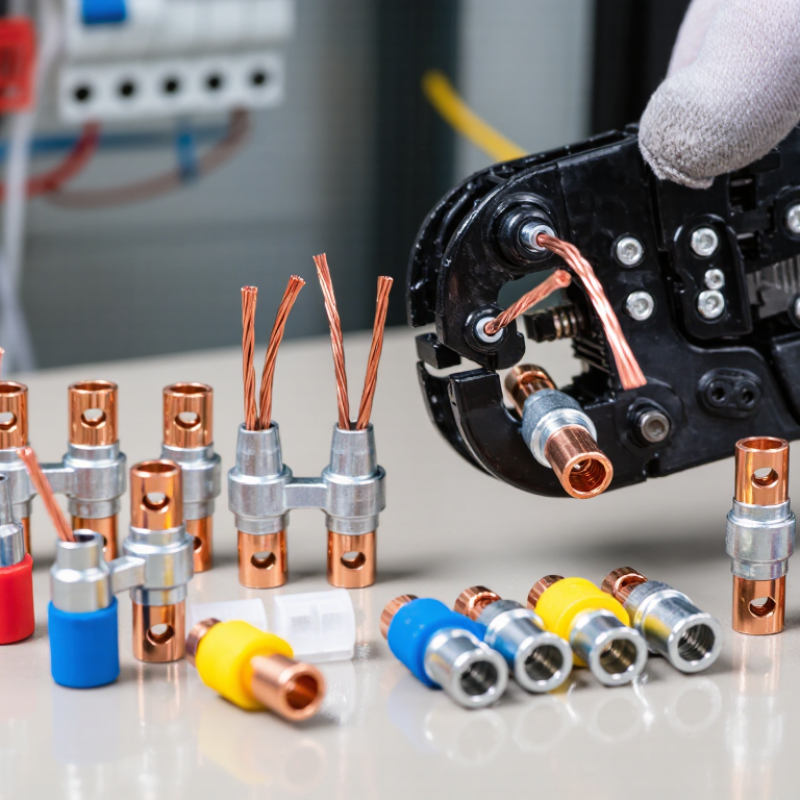
Insulated terminal lugs create secure electrical connections while reducing accidental contact with conductive metal. They are commonly used with stranded wires in control panels, appliances, vehicles, and industrial equipment. The insulation sleeve supports the wire entrance and helps prevent short circuits near the connection point.

A typical lug has a metal barrel, a crimping area, and an insulated sleeve. The barrel must match the wire size and conductor material. The sleeve should resist the expected heat, vibration, and moisture. During selection, check the terminal shape, stud-hole diameter, temperature rating, and crimping method. A loose crimp can heat up under load. That small defect may remain hidden for weeks.

In 2026, choosing the right lug requires more than matching colors. Confirm the wire gauge, current demand, installation space, and environmental exposure. Ring terminals usually resist pullout better than fork terminals. Spade terminals can save time during servicing. However, convenience is not always the safest choice.

Tips: Strip only the required insulation length. Keep strands inside the barrel. Use a calibrated crimping tool, then perform a gentle pull test. Inspect the sleeve for cuts or movement. If the lug rotates after crimping, stop and investigate. I have found that rushed inspections often cause avoidable failures. Check the connection again after vibration or thermal cycling.

How to Choose Insulated Terminal Lugs in 2026? — Purpose, Structure, and Common Applications

Typical selection data for low-voltage electrical wiring. Confirm the exact current, voltage, conductor range, insulation temperature, and applicable standard with the product datasheet and installation requirements.
Terminal Lug Type Typical Conductor Range Insulation Structure Typical Material Common Applications Main Selection Points
Insulated Ring Terminal 0.5–6 mm² Insulated barrel with a closed ring tongue Tinned copper or copper alloy; PVC or nylon insulation Control panels, battery wiring, grounding points, terminal blocks Choose the correct stud hole diameter; the closed ring helps prevent accidental disconnection.
Insulated Fork or Spade Terminal 0.5–6 mm² Insulated barrel with an open fork-shaped tongue Tinned copper or copper alloy; PVC or nylon insulation Serviceable control circuits, relays, switches, power supplies Useful where screws cannot be fully removed; verify that vibration will not allow the fork to escape.
Insulated Pin Terminal 0.5–2.5 mm² Insulated collar with a compact solid pin end Tinned copper pin; PVC or nylon insulation Spring-clamp terminals, compact terminal blocks, control cabinets Match the pin diameter and length to the terminal opening and conductor size.
Insulated Butt Splice 0.5–6 mm² total conductor range Insulated sleeve with a central metal connection barrel Copper or tinned copper barrel; PVC, nylon, or heat-shrink insulation Cable extensions, harness repairs, equipment wiring Check whether the lug accepts equal or different conductor sizes on each side.
Insulated Bullet Terminal 0.5–4 mm² Insulated male or female housing around a mating contact Tin-plated copper or brass contact; polymer housing Removable harnesses, lighting circuits, automotive and equipment wiring Select matching male/female halves and confirm retention, environmental sealing, and current rating.
Insulated Quick-Disconnect Terminal 0.5–6 mm² Insulated receptacle or tab connector Tin-plated copper or brass; PVC or nylon insulation Motors, switches, relays, appliances, serviceable wiring assemblies Match tab width, thickness, conductor range, and contact force to the mating part.
Heat-Shrink Insulated Lug 0.5–35 mm², depending on design Crimp barrel with heat-shrink sleeve and adhesive sealant in some designs Tinned copper; cross-linked polyolefin or heat-shrink polymer Outdoor equipment, marine wiring, battery cables, vibration-prone assemblies Check shrink temperature, sealing level, cable diameter, and resistance to moisture and chemicals.
Twin Wire Ferrule 0.5–6 mm² combined conductor area Insulated collar with a dual-entry metal sleeve Tinned copper ferrule; nylon or similar insulating collar Two wires entering one spring-clamp or screw terminal Confirm that both conductors have compatible sizes and that the terminal accepts the combined cross-section.
2026 Selection Checklist: Verify conductor material, cross-sectional area, terminal geometry, stud or tab size, insulation temperature rating, voltage and current requirements, crimp-tool compatibility, vibration exposure, moisture protection, and the relevant electrical standard before installation.

How to Match Lug Size with Wire Gauge and Conductor Type

How to Choose Insulated Terminal Lugs in 2026?

Matching a terminal lug starts with the conductor, not the screw size. Check the wire gauge, cross-sectional area, material, and strand construction. A 12 AWG copper wire is not automatically equivalent to a 12 AWG aluminum wire. NFPA 70, 2023 edition, Table 310.16, lists different ampacities for copper and aluminum conductors. Use the applicable temperature column, but do not treat ampacity as a lug-size chart.

Read the lug’s marked wire range carefully. Its barrel must fit the conductor without forcing strands together. IEC 60228 classifies conductors by construction, including solid, stranded, and flexible types. Flexible wire may need a compatible barrel or an approved ferrule. Fine strands can spread during crimping. That small detail causes many weak connections. It is easy to miss.

Match the lug material with the conductor material and the installation environment. Aluminum conductors need suitable contact treatment and compatible terminals. For insulated crimp terminals, consult the test requirements in UL 486A-486B and follow the specified crimping method. A field check should include strip length, visible conductor entry, insulation support, and a gentle pull test. I have seen correctly sized lugs fail after poor crimp placement. The size looked right. The workmanship was not. Always verify the actual conductor diameter, terminal markings, and tool profile before production.

Selecting the Right Insulation, Material, and Temperature Rating

How to Choose Insulated Terminal Lugs in 2026?

Choosing insulated terminal lugs in 2026 starts with the insulation, not the color or package. In field installations, I check conductor size, crimp method, moisture exposure, and nearby heat sources. Nylon suits many dry indoor panels, while heat-shrink insulation offers better sealing around exposed connections. PVC can work in controlled conditions, but it may soften near hot terminals. Always verify the datasheet and applicable electrical standards before installation. A familiar-looking lug can still be wrong.

Material affects both conductivity and durability. Copper lugs provide excellent conductivity and suit many copper conductors. Tinned copper resists oxidation better in humid or corrosive areas. Aluminum lugs can reduce weight, but they require compatible conductors, preparation, and approved compounds where specified. Never mix metals casually. Galvanic corrosion is easy to overlook. Temperature rating must match the conductor insulation, lug rating, and equipment terminal. A 90°C cable does not automatically make every connection suitable for 90°C operation. Check continuous and emergency ratings separately.

Tips: Record the actual ambient temperature, not just the room label. Leave clearance around heat-producing devices. Use a calibrated crimp tool and inspect the crimp visually and mechanically. Pull testing helps in critical applications. I also photograph completed terminations for maintenance records. This catches missing sleeves and loose strands later. One weakness remains: field temperatures are often estimated. When doubt remains, measure them.

Checking Voltage, Current Capacity, and Environmental Requirements

How to Choose Insulated Terminal Lugs in 2026?

Checking Voltage, Current Capacity, and Environmental Requirements

Choosing an insulated terminal lug starts with the circuit voltage. Check the lug’s rated voltage against the system’s highest operating voltage. Do not rely on a matching wire size alone. The insulation must also tolerate the expected temperature. In control panels, small voltage differences can expose weak insulation over time.

Current capacity needs careful attention. Confirm the conductor material, cross-sectional area, and allowable ampacity. A lug carrying continuous current may need extra thermal margin. Loose crimping creates resistance, heat, and discoloration around the barrel. Use the specified crimping tool and inspect the finished connection. Pull testing is useful, but it cannot replace correct tool selection.

Environment often decides whether a lug remains dependable. Moisture, salt spray, oil, vibration, and ultraviolet exposure can damage insulation or accelerate corrosion. For outdoor equipment, check sealing requirements and temperature cycling data. In dusty areas, keep the connection protected from contamination. I have seen apparently strong connections fail because moisture entered through an overlooked cable opening. That mistake is easy to repeat. Verify the datasheet, installation method, and applicable testing standard before approval. When details conflict, stop and investigate rather than choosing the cheapest option.

Installation, Crimping, and Quality Inspection Guidelines

How to Choose Insulated Terminal Lugs in 2026?
Installation, Crimping, and Quality Inspection Guidelines

Selecting an insulated terminal lug begins with the conductor, not the package label. Match the lug to the wire size, conductor material, insulation diameter, and operating temperature. Confirm the required stud hole and available installation space. A loose fit can create heat, vibration, and eventual failure. Check the technical data and applicable electrical standards before ordering. Small details matter.

During installation, cut the conductor cleanly and remove insulation without nicking the strands. Strip only the recommended length. Too much exposed copper reduces protection. Too little prevents proper barrel contact. Insert the conductor until the strands reach the barrel end. Use a calibrated crimping tool designed for that terminal type. The die must match the lug. Never substitute pliers or a general-purpose tool. The crimp should be firm, centered, and free from cracks. I have seen rushed crimps pass a quick visual check, then loosen during vibration.

Quality inspection should include the insulation sleeve, barrel, conductor position, and crimp profile. Look for damaged insulation, uneven compression, missing strands, or excessive deformation. A gentle pull test can reveal weak engagement, but it should not replace the specified mechanical test. Measure continuity and inspect for exposed copper beyond the safe area. Marking each inspected connection improves traceability. My own practice is not perfect; I sometimes recheck a connection after installation because appearance can be misleading. Temperature rise, torque, and routing still deserve attention.

How to Choose Insulated Terminal Lugs in 2026?

Installation, crimping, and quality inspection guidelines based on conductor size selection.

The chart shows nominal copper conductor cross-sectional areas for commonly used American Wire Gauge sizes. Select an insulated terminal lug whose barrel range matches the conductor size, confirm the terminal stud diameter, strip only the required insulation length, and crimp with the specified die. Final inspection should verify full conductor insertion, correct crimp location, secure insulation support, and the absence of damaged strands or loose movement.

Reference basis: nominal AWG conductor areas derived from ASTM B258 standard dimensions. Always verify the terminal lug manufacturer’s approved wire range and applicable installation standard before use.

LSP App

Download the LSP App now

Scan QR code to download the app

We use cookies to personalize content, utilize website traffic analytics & support our marketing initiatives. By continuing to browse our site you consent to receive our cookies. For more information see our Privacy Statement. 
Ok