How to Choose the Best Spray Insulation for Your Project?
Choosing the right spray insulation for your project is crucial. With a wide variety of options available, making an informed decision can be daunting. According to the North American Insulation Manufacturers Association (NAIMA), insulation is responsible for approximately 30% of energy savings in homes. Effective spray insulation can significantly reduce heating and cooling costs.
Different types exist, such as open-cell and closed-cell spray foam. Each serves unique purposes based on climate and building design. A study by the International Energy Agency (IEA) reveals that spray insulation can improve energy efficiency by 40% when properly applied. Yet, improper application can lead to moisture issues and reduced effectiveness.
Understanding the specifics of your project is essential. Choosing spray insulation requires careful consideration of factors like climate, cost, and application techniques. Misjudgments can lead to poor performance and increased expenses. It's vital to consult with experienced professionals to evaluate your needs. This ensures that you select the best option tailored to your project.
Understanding Different Types of Spray Insulation Materials
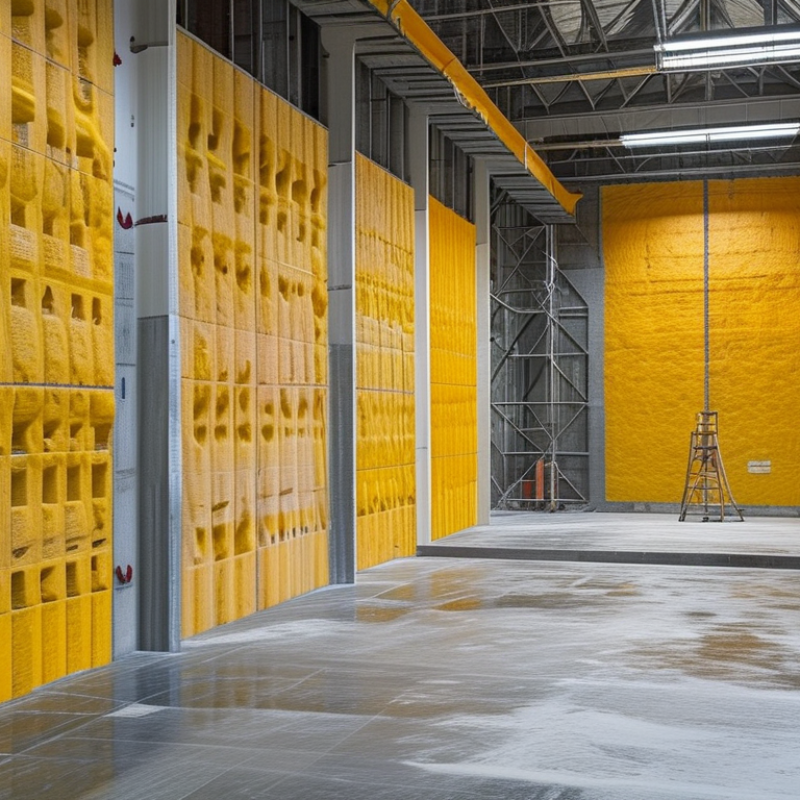
When choosing spray insulation, understanding the various types available is crucial. There are three primary types: open-cell foam, closed-cell foam, and fiberglass spray insulation. Each serves unique purposes and presents distinct benefits, which can be confusing.
Open-cell foam is lighter and expands extensively. This type is ideal for indoor applications, providing sound absorption. However, it absorbs moisture, which might lead to potential issues in damp environments.
On the other hand, closed-cell foam is denser and offers better insulation properties. It creates a moisture barrier, making it suitable for basements or roof installations. That said, it can be more expensive and requires professional application.
Fiberglass spray insulation is another alternative that has been around for years. It is often less expensive and easier to install, but it might not provide the same energy efficiency as foam options. Homeowners sometimes struggle with long-term performance when choosing fiberglass. Each type presents advantages and drawbacks, making careful consideration essential before deciding.
Evaluating R-Value and Energy Efficiency for Insulation Projects
When evaluating R-value, it’s crucial to understand its significance in insulation projects. R-value measures thermal resistance. Higher values indicate better insulation performance. According to the Department of Energy, spray foam insulation can achieve R-values between 6 and 7 per inch. This is substantially higher than traditional fiberglass insulation, which typically ranges from 2.9 to 4.3 per inch. Selecting insulation with a high R-value can significantly impact energy efficiency.
Energy efficiency in buildings is critical for reducing long-term costs. Studies show that proper insulation can reduce heating and cooling costs by up to 50%. This emphasizes the importance of selecting the right type of insulation for your project. However, not all spray insulations offer the same performance. Some can settle over time, reducing their effective R-value. This potential decline is an important factor to consider when making your choice.
In addition to R-value, it's essential to evaluate other characteristics such as air sealing and moisture resistance. Some spray foam types also contribute to air sealing, which enhances energy efficiency. Yet, potential issues such as off-gassing and installation challenges need consideration. Assessing these factors thoroughly can lead to more sustainable and cost-effective insulation solutions for your project.
Energy Efficiency of Different Spray Insulation Types
Assessing Application Methods for Spray Insulation Installation
Choosing the right application method for spray insulation can significantly impact your project’s effectiveness. There are various application techniques, each with its strengths and challenges. For instance, airless spraying offers a quick application and even coverage. However, it requires skilled technicians and can lead to overspray, which prompts the need for extensive preparation.
On the other hand, using a two-component spray system can ensure better adhesion and insulation properties. This method provides a reliable seal around edges and hard-to-reach spots. Yet, it demands precise mixing and equipment handling, which may present a learning curve for less experienced users. Evaluating the complexity of each method is crucial for determining the best fit for your specific project and ensuring quality results.
Consider the skill level of your installation team when assessing application methods. A method that seems efficient may not yield the best results if the team lacks experience. Additionally, think about the project size. Larger areas might benefit from automated spraying processes, while smaller spaces could be better suited for manual application. Balancing efficiency and quality can be challenging but is essential for optimal insulation.
Considering Environmental Impact and Health Safety of Insulation
When selecting spray insulation, consider the environmental impact and health safety. Many traditional insulation materials contain harmful compounds. For example, formaldehyde and isocyanates are common in some spray foam products. These substances can pose health risks, including respiratory issues and skin irritations. A study from the Environmental Protection Agency found that proper ventilation is crucial to reduce exposure to these chemicals during and after installation.
Research indicates that around 30% of indoor air quality issues are linked to building materials. Choosing eco-friendly alternatives can mitigate these concerns. Water-based spray foam insulations are increasingly popular. They emit fewer volatile organic compounds (VOCs) than traditional options. According to the Green Building Council, these materials contribute to healthier indoor environments. They also support energy efficiency by providing effective thermal barriers.
However, even environmentally-friendly products can pose challenges. Some may still require protective gear during application. Also, there can be variability in the performance of these materials based on the installation process. This highlights the importance of working with experienced professionals. Ensure they follow safety guidelines to minimize risks. Balancing insulation performance and health safety is essential for any successful project.
Budgeting and Cost Factors for Spray Insulation Options
When budgeting for spray insulation, it's essential to consider several cost factors. The type of insulation you choose greatly affects the overall expense. Closed-cell foam tends to be more expensive but offers higher R-values. Open-cell foam is generally cheaper but provides less insulation. Each option has its advantages and drawbacks that can impact your budget.
Labor costs also play a significant role in the total project expenses. Professional installation ensures that the insulation is applied correctly. However, hiring an experienced contractor may increase costs. It's wise to obtain multiple quotes and evaluate the experience of each contractor. This helps you make an informed decision based on their expertise.
You should also factor in the long-term savings on energy bills when determining your budget. High-quality insulation reduces energy consumption, leading to lower utility costs over time. While an upfront investment may seem daunting, it could pay off in the long run. Reflecting on potential future expenses can help you prioritize your insulation choice.
How to Choose the Best Spray Insulation for Your Project? - Budgeting and Cost Factors for Spray Insulation Options
| Insulation Type |
R-Value per Inch |
Cost per Square Foot ($) |
Ideal Use Cases |
Installation Complexity |
| Open-Cell Spray Foam |
3.5 |
$0.44 - $0.65 |
Walls, ceilings, and floors |
Easy to Moderate |
| Closed-Cell Spray Foam |
6.5 |
$0.90 - $1.50 |
Basements, roofs, and areas near water |
Moderate to Complex |
| Fiberglass Insulation |
2.9 |
$0.30 - $0.60 |
Attics and walls |
Easy |
| Cellulose Insulation |
3.5 |
$0.45 - $0.75 |
Attics, walls, and floors |
Moderate |



 Skip to main content