How to Choose the Best Carbide Tools for Your Business Needs?
Choosing the right Carbide Tools is crucial for your business's efficiency and productivity. These tools excel in cutting, shaping, and drilling tasks. They offer durability and precision, making them ideal for various industries. However, selecting the best carbide tools can be challenging.
Many factors influence your choice. Not all carbide tools are created equal. Different applications require specific properties in tools. For instance, some may need exceptional wear resistance, while others demand high toughness. Evaluating your business needs is essential.
Take time to analyze the materials you work with. Consider the machining processes you utilize as well. Reflections on your current tools can reveal gaps in performance. Sometimes, investing in high-quality carbide tools leads to improved product outcomes. Ultimately, a thoughtful approach ensures you select tools that truly meet your business needs.
Identifying Your Business Requirements for Carbide Tools
When determining business requirements for carbide tools, clarity is key. Start by evaluating the specific applications your tools will serve. For example, data from the Metal Cutting Industry suggests that nearly 70% of manufacturers report higher efficiency when using cutting tools tailored for their precise operations. This highlights the necessity of aligning tool selection with operational needs.
Consider the materials you work with. Different carbide grades suit various types of materials. A report by the American Society for Metals reveals a performance boost of up to 30% when appropriate grades are matched with the material. This approach minimizes wear and enhances tool life. Yet, not all operations require high-tier carbide; sometimes, basic options can suffice. Assessing your production scale and budget can guide these decisions.
Durability is another vital factor. Research indicates that even slight improvements in cutting tool durability can reduce downtime significantly. Some businesses may overlook this and choose cheaper options that fail prematurely. To truly optimize your selection process, understanding the interplay between cost, durability, and performance is crucial. Balancing these elements can lead to smarter investments in carbide tools.
Understanding Different Types of Carbide Tools Available
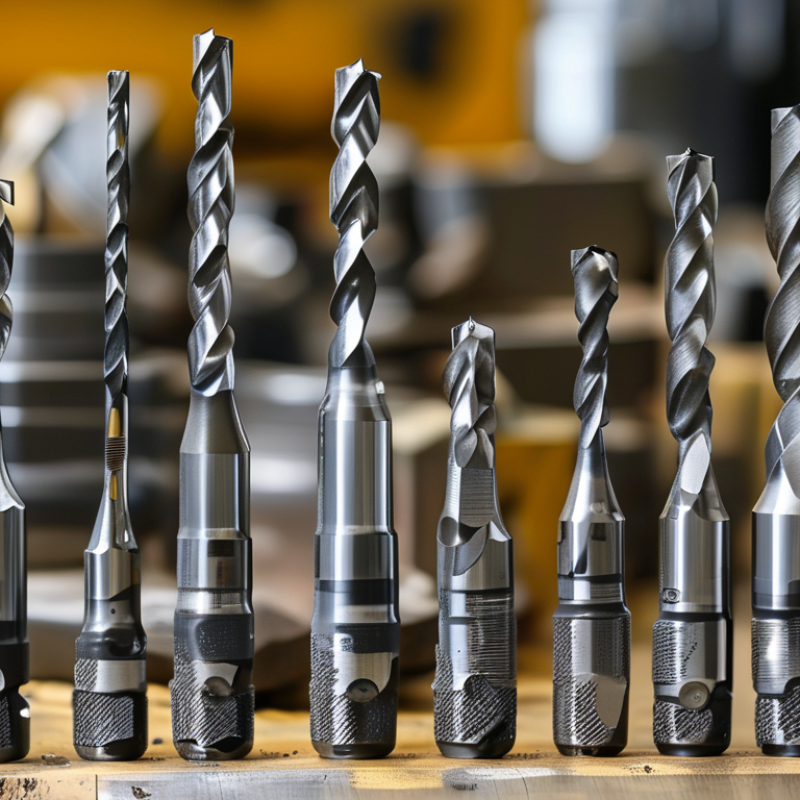
When selecting carbide tools, it is essential to understand the various types available. Each type has unique features, catering to specific applications. For instance, end mills are ideal for milling operations, while drills excel at making holes in hard materials. Knowing these distinctions can help make informed choices.
Another option is carbide inserts. They can be replaced when worn out, enhancing tool life. This flexibility can reduce costs over time. However, some working conditions may require specialized tools. It's critical to assess your machinery and the types of materials you work with regularly.
Choosing the right carbide tool is not always straightforward. Factors like tooling geometry and coating can influence performance. Sometimes, tools may not perform as expected in certain situations, prompting a need for reevaluation. Observing and recording the effectiveness of different tools can lead to better future decisions.
Understanding Different Types of Carbide Tools Available
Evaluating Quality and Performance Standards for Carbide Tools
When selecting carbide tools, quality and performance standards are paramount. High-quality carbide tools enhance productivity and extend tool life. They are crafted from durable materials that resist wear, ensuring consistent performance.
Tip: Always examine the hardness and toughness of tools. These attributes directly affect cutting efficiency. Look for tools with a balanced design. This avoids unnecessary vibrations, which can impact precision.
Performance tests are crucial in assessing a tool’s reliability. Tools should withstand rigorous conditions without significant wear. A proven track record in various applications is beneficial. Engaging in discussions with industry experts can provide deeper insights.
Tip: Request samples before making bulk purchases. This lets you evaluate performance firsthand. Cost savings shouldn’t compromise quality. A poor choice may lead to higher long-term expenses.
Some manufacturers may not disclose precise specifications. This can complicate informed decision-making. It is vital to seek tools backed by testing data. Transparency builds trust and confidence in your investment.
Comparing Cost-Effectiveness of Various Carbide Tool Options
When comparing carbide tool options for cost-effectiveness, it’s crucial to consider the material's durability and performance. Carbide tools often last longer than traditional steel tools. This longevity means lower replacement costs over time. However, the initial investment can seem daunting for small businesses. Analyzing your specific needs helps in making a more informed choice.
Additionally, think about the specific applications each tool will be used for. Not all carbide tools perform equally well in every situation. It's essential to balance cost with the performance required for your projects. Sometimes, cheaper options may lead to faster wear, resulting in unforeseen expenses. Assessing the long-term implications of each choice is key.
Ultimately, finding the best carbide tools isn’t just about price tags. You must evaluate delivery time, supplier reputation, and warranty options. A tool might seem affordable but could end up being more expensive if it doesn’t perform well. Reliable tools enhance productivity, while subpar options can create delays and inefficiencies in your workflow. It is a challenging balance that requires careful thought.
Selecting a Reliable Supplier for Carbide Tools in Your Industry
Selecting a reliable supplier for carbide tools requires careful evaluation. It's crucial to look for suppliers with strong industry backgrounds. They should have experience in creating high-quality tools that suit your specific needs. A supplier who has been in the market for years can offer valuable insights. Their expertise often translates into better customer service and product reliability.
Research customer reviews and testimonials about potential suppliers. This feedback can shed light on their reputation. Ask about their manufacturing processes and quality assurance measures. A trustworthy supplier will gladly share this information. Look for those who offer a range of products, ensuring that they meet varying application requirements.
Certifications can also indicate a supplier's commitment to quality. Verify whether their tools meet industry standards. It's worth reflecting on previous experiences, both good and bad, with suppliers to guide your decision. Some suppliers might promise the world but fail to deliver. Finding the right partner can significantly impact your operations. Choose wisely to enhance your productivity and efficiency in your business.
 Skip to main content