How to Choose the Best Battery Charger for Your Needs?

Choosing the right battery charger is essential in today’s technology-driven world. A good battery charger ensures the longevity and efficiency of your devices. With many options available, making the right choice can be overwhelming.

When selecting a battery charger, consider the type of batteries you use. Lithium-ion, nickel-metal hydride, and lead-acid batteries all have different charging requirements. Pay attention to the charging speed and safety features. Overcharging can damage batteries, leading to reduced performance over time.

In addition, think about portability. A compact battery charger is easier to carry around. However, larger models may provide robust features. Reflect on your actual needs. Do you often travel or primarily charge at home? Being clear about your preferences can lead to a smarter choice. Always remember that investing in a high-quality battery charger can save you money in the long run.
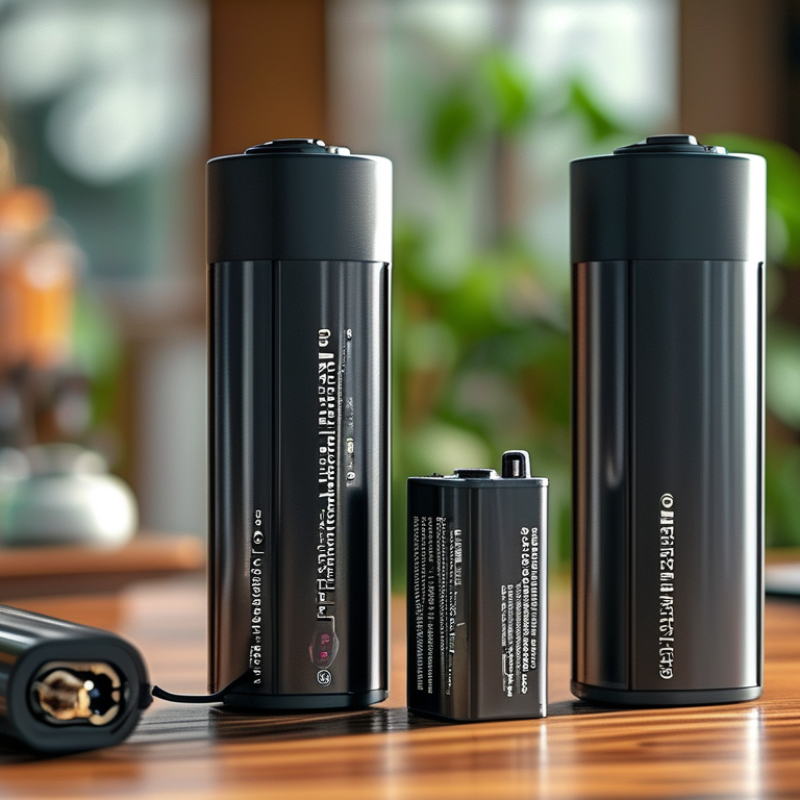
How to Choose the Best Battery Charger for Your Needs?

Understanding Different Types of Battery Chargers Available in the Market

Choosing the right battery charger is essential for your needs. Understanding the different types available helps you make an informed decision. Common types include trickle chargers, smart chargers, and solar chargers. Each type serves different purposes and applications, impacting how efficiently your batteries charge.

Trickle chargers are perfect for maintaining battery levels over time. They provide a slow, consistent charge, ideal for seasonal vehicles. Smart chargers, on the other hand, automatically adjust the charging rate based on battery condition. This prevents overcharging and extends battery life. According to recent industry data from the Battery Council International, using the correct charger can increase battery lifespan by over 30%.

Consider these tips before choosing a charger: always check your battery's voltage and chemistry. Not all chargers can handle every battery type. If you're eco-conscious, solar chargers can be a sustainable option, but they typically charge slower. Keep in mind that while solar models save energy costs, they lack the fast charging capability of traditional options. A careful evaluation can save time and money in the long run.

Evaluating Charging Speed and Efficiency for Your Specific Batteries

When selecting a battery charger, evaluating charging speed and efficiency is crucial. Battery chargers vary greatly in output, affecting how quickly your batteries can be recharged. For instance, a charger with a 2A output can recharge a 2000mAh battery in about one hour, while a 1A charger could take double that time. Ensuring you choose a charger that matches your battery's specifications is vital for optimal performance.

Efficiency is another critical aspect. Reports indicate that many chargers waste significant energy, impacting both costs and battery health. A high-efficiency charger can improve longevity and performance, making it a vital choice for frequent users. For example, chargers with over 85% efficiency ratings are now the industry standard. However, not all chargers achieve this; some may only reach 60%-70%. Users should always consider these metrics when making a decision.

Understanding your specific battery type will aid in finding the best match. NiMH batteries might require different chargers than lithium-ion types. Additionally, some chargers feature smart technology that adjusts the charge rate based on battery requirements. Such features enhance efficiency but can drive up costs. Balancing budget against benefits might provoke some reflection on what features are genuinely necessary for your needs.

Assessing Compatibility with Different Battery Types and Sizes

When selecting a battery charger, compatibility is crucial. Different battery types—lithium-ion, NiMH, or lead-acid—require specific charging methods. A report by Battery University indicates that using an inappropriate charger can lead to battery damage. It is essential to match the charger with battery chemistry to ensure safety and efficiency.

Battery sizes also play a significant role. For example, AA batteries differ in charging requirements from larger batteries like D-cell. According to industry data, incorrectly sized chargers can slow down charging times or lead to overheating. Many chargers now offer automatic identification technology, but not all do. Understanding your battery specs is vital.

Moreover, consider the charging capacity. A charger with adjustable output can accommodate various sizes. This versatility is often overlooked. Charging times can vary widely; a fast charger might not always be the best option for longevity. Frequent overcharging can degrade battery lifespan, which is a common issue. Being aware of these nuances is essential for making an informed decision. The right charger not only saves time but also prolongs battery life.

Battery Charger Compatibility Assessment

Considering Safety Features and Smart Technology in Battery Chargers

When selecting a battery charger, safety features are vital. Look for chargers that have overcharge protection and temperature control. These features prevent overheating and reduce fire risks. Smart technology can further enhance safety by automatically adjusting charging speeds according to the battery's condition. Real-time monitoring is also beneficial in avoiding potential hazards.

Tips: Ensure the charger has a robust build and durable materials. A well-constructed charger lasts longer and performs better. Consider using chargers with clear indicator lights. This’ll help you know the charging status quickly.

Smart technology often includes compatibility with various battery types. It detects the battery's specific needs and adjusts the charging mode accordingly. However, not all smart chargers deliver the same level of performance. It's important to research and read reviews. Some chargers may claim smart features but lack reliability in action. Always be cautious and prioritize those with a proven track record in safety and efficiency.

Analyzing Cost vs. Quality: Finding Value in Your Battery Charger Choices

When selecting a battery charger, understanding the balance between cost and quality is essential. Research shows that consumers often prioritize price over performance. However, this can lead to long-term issues. A charger that is too cheap may fail earlier, resulting in additional costs for replacements or damage to batteries. According to industry reports, investing an extra 20% in a quality charger can increase its lifespan by about 50%.

Quality chargers often come with features such as smart technology, which optimizes the charging process. These advancements reduce risks like overheating and overcharging. A report by the Battery Research Institute highlights that a reliable charger can maintain battery health, improving efficiency by up to 30%. Such chargers may initially cost more, but the savings in battery longevity and performance could outweigh the upfront costs.

Ultimately, finding the right balance demands critical thinking. Assessing your specific needs can lead to better choices. A high cost does not always mean high quality. Look for certifications or user reviews that reflect real-world performance. This reflective approach can clarify decisions. A battery charger should not be an impulsive purchase but a strategic investment in your technology's future.

LSP App

Download the LSP App now

Scan QR code to download the app

We use cookies to personalize content, utilize website traffic analytics & support our marketing initiatives. By continuing to browse our site you consent to receive our cookies. For more information see our Privacy Statement
Ok