In today’s evolving energy landscape, the demand for reliable power sources is paramount. Rechargeable Lithium Batteries stand out due to their efficiency and longevity. According to a report by MarketsandMarkets, the global rechargeable lithium battery market is projected to reach $100 billion by 2025, driven by advancements in technology and increasing consumer demand.
Experts stress the importance of these batteries in various applications. Dr. Emily Carter, a leading figure in battery technology, states, “Rechargeable Lithium Batteries are transforming how we consume and store energy.” This sentiment reflects the growing recognition of the role these batteries play in renewable energy systems and portable electronics.
However, challenges persist. The environmental impact of lithium extraction and battery disposal raises important questions. Consumers must consider these factors alongside the benefits. Thus, while rechargeable lithium batteries offer numerous advantages, an informed choice is essential for a sustainable future.

Rechargeable lithium batteries are transforming energy consumption. They offer notable advantages that align perfectly with sustainable energy goals. According to a report from the International Energy Agency (IEA), lithium-ion batteries can reduce carbon emissions by up to 80% compared to traditional energy storage options. This statistic underlines their potential in combatting climate change.
One of the key benefits is their high energy density. Lithium batteries store more energy in a smaller size. As noted by the U.S. Department of Energy, this allows for efficient usage in electric vehicles and renewable energy systems. However, producing these batteries does come with environmental concerns. Mining lithium can harm ecosystems. This raises vital questions about responsible sourcing and recycling methods for these materials.
Another highlight is the lifespan of rechargeable lithium batteries. They typically last longer than traditional batteries, providing up to 3,000 charge cycles. This translates to less frequent replacements, thus minimizing waste. Yet, the challenge remains in developing recycling technologies that can handle the growing number of used batteries. Balancing efficiency, sustainability, and environmental impact is a complex endeavor. It may take time, innovation, and collaboration to solve these issues effectively.
When considering battery options, lithium batteries stand out. They offer higher energy density compared to other types. For instance, lithium-ion batteries can store nearly three times more energy than nickel-cadmium (NiCd) batteries. This efficiency makes them suitable for high-demand devices like smartphones and electric vehicles. A report by the International Energy Agency noted that lithium-based technologies accounted for over 90% of the electric vehicle market by 2021.
Furthermore, longevity is another key factor. Lithium batteries typically endure 500 to 2,000 charge cycles, depending on their chemistry. In contrast, lead-acid batteries usually last for about 200 to 300 cycles. This durability means fewer replacements, thereby reducing waste. Despite their advantages, lithium batteries can be sensitive to extreme temperatures and may require careful management to prevent overheating. This complexity can raise concerns about safety, necessitating improved designs and regulations.
Cost is also an important consideration. Lithium batteries tend to have higher upfront costs than alternatives like alkaline batteries. However, their overall cost-effectiveness often balances the initial investment. Industry data suggests that the decreasing price of lithium battery production is making them more accessible. Despite some challenges, the benefits of lithium batteries make them a popular choice for various applications.
Lithium batteries are becoming increasingly popular for various energy needs. Their efficiency is remarkable. They charge quickly and maintain a high energy density, making them ideal for devices requiring consistent power. This feature allows users to enjoy longer usage times between charges. It's hard to ignore how this technology impacts everyday life.
Longevity is another key aspect. Lithium batteries typically last longer than traditional batteries. They endure more charge cycles without significant capacity loss. This means less frequent replacements and reduced waste, enhancing their environmental appeal. However, there are some downsides. The initial cost can be higher, and they can degrade faster in extreme temperatures.
Nevertheless, the performance of lithium batteries often outweighs these challenges. Regular maintenance can help prolong their life. Users should monitor charge levels and avoid complete discharges. Thus, being mindful of usage can lead to better results. Overall, it’s essential to weigh the benefits against individual needs when considering lithium batteries for energy solutions.
Rechargeable lithium batteries have gained popularity due to their efficiency and applicability across various devices. However, their environmental impact and recycling options deserve critical attention. According to the International Energy Agency, the production of lithium batteries is growing rapidly. In fact, global lithium-ion battery production was estimated to exceed 2,000 GWh in 2023, which significantly amplifies the demand for sustainable recycling solutions.
Recycling lithium batteries is crucial to mitigate environmental harm. Reports from the Battery Materials and Recycling Alliance indicate that less than 5% of lithium batteries are currently recycled effectively. This statistic raises serious concerns. The lithium and cobalt used in these batteries can be harmful if not managed properly. There's a need for standardized recycling processes to recover valuable materials and reduce waste. Some newer methods show promise. Direct recycling allows for the reuse of battery materials with less energy and cost.
Despite advancements, challenges in battery recycling persist. The high costs and complex processes deter many recycling initiatives. Streamlined regulations and innovative technologies could enhance recycling effectiveness. Educating consumers about proper disposal methods is essential. By raising awareness, future generations can contribute to a circular battery economy. The transition towards responsible recycling practices will ensure that the lithium battery revolution does not come at the expense of our planet.
Rechargeable lithium batteries are becoming essential across various industries. Their high energy density and lightweight design make them ideal for applications ranging from electric vehicles to consumer electronics. According to a 2021 report by the International Energy Agency, the demand for lithium batteries is projected to rise significantly, with a compound annual growth rate (CAGR) of over 20% through 2025.
In the automotive sector, lithium batteries are critical for electric and hybrid vehicles. These batteries allow for longer ranges and faster charging times. For instance, some electric vehicles can reach a range of over 300 miles on a single charge. However, challenges remain in battery disposal and environmental impact. Companies are increasingly focused on developing recycling programs to mitigate this issue.
Consumer electronics also greatly benefit from lithium battery technology. Devices like smartphones and laptops rely on them for performance. The U.S. Department of Energy reported that improved battery management systems can enhance their lifespan. Yet, inconsistent charging habits among users can lead to diminished battery performance over time. Thus, while lithium batteries offer many advantages, there are still opportunities for improvement in both technology and user education.
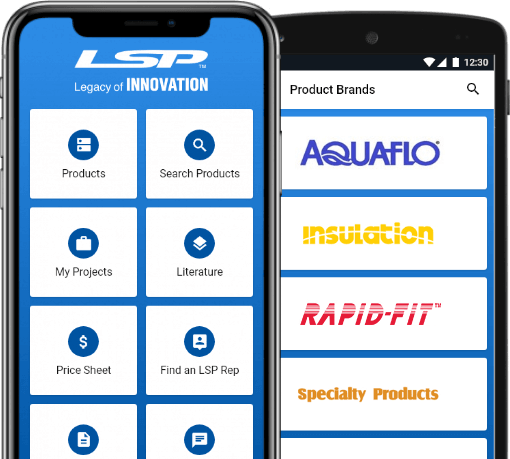
Scan QR code to download the app
LSP Products was founded by plumbers over 50 years ago with a focus on unparalleled innovation, superior product quality, and best-in-class service to the plumbing industry. Our primary focus is the new construction market where we develop products that make installations easy and provide significant cost savings to the plumbing/mechanical contractor. LSP has a manufacturing facility located in Monterrey, Mexico and a distribution center in Dallas, Texas. We are proud to offer many products designed and made in North America… About LSP
Submit the form below to receive the document via email.