Choosing the right Lithium-ion charger is crucial for maintaining battery health and performance. With various options available, finding the best charger can be challenging. A high-quality Lithium-ion charger ensures efficiency, safety, and longevity. It is more than just a convenience; it can significantly impact the lifespan of your devices.
Consider your specific needs. Different devices require different charging speeds and voltages. A mismatch could damage your battery or decrease its life. Research the compatibility of chargers with your devices. Look for features like overcharge protection and temperature control. These details can enhance safety and reliability.
You might feel overwhelmed by the choices. Sometimes, a cheaper option seems tempting, but it might lack essential safety features. It’s essential to weigh the pros and cons of various chargers. Consult reliable sources or consumer reviews for guidance. A well-informed decision will lead to better outcomes in the long run.
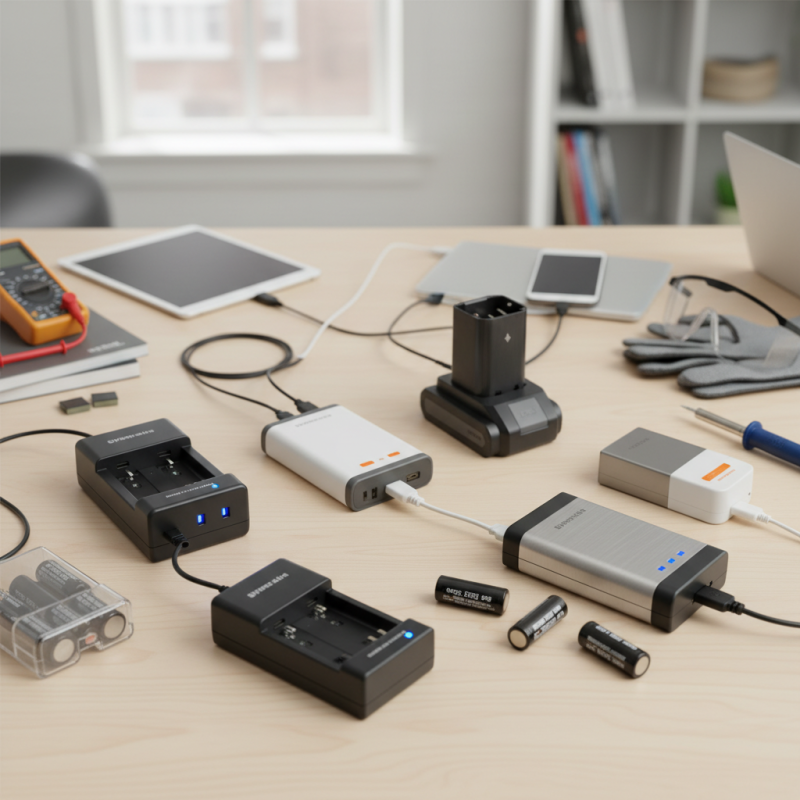
Understanding lithium-ion batteries is crucial for effective charging. These batteries power many devices, from smartphones to electric vehicles. They require specific charging conditions to ensure safety and longevity.
Lithium-ion batteries need precise voltage levels. Overcharging can lead to overheating and possible damage. Using a compatible charger is essential. Look for chargers that match the battery specifications. This practice enhances battery life and improves performance.
Charging speed is another factor. Fast chargers can be convenient but may generate heat. Too much heat can degrade battery health over time. Therefore, it's often better to opt for standard charging. It takes longer but maintains the battery's integrity longer. Remember, knowing your battery's needs is key to making informed decisions.
Choosing the right lithium-ion charger can be daunting. Several types of chargers exist, each with unique features tailored to various needs. Understanding these options will help you select the best fit.
Smart chargers are popular among users. They come with microchip technology that optimizes charging. This feature helps prevent overcharging and prolongs battery life. On the other hand, universal chargers provide versatility. They can charge various lithium-ion batteries, making them ideal for those with multiple devices. Additionally, portable chargers offer convenience. These compact units allow for on-the-go charging, which is essential for busy lifestyles.
Tips: Consider the device you need to charge. Ensure the charger matches the battery specifications. Always check user reviews for reliability and performance insights. Warranty details are also necessary for assurance regarding the product's quality. Finally, conduct regular checks on charger cables and plugs for any wear over time to ensure safety and effectiveness.
Choosing the right lithium-ion charger is crucial for optimal battery performance. One key factor is the charger's output voltage and current. Most lithium-ion batteries require a specific voltage range, typically between 3.6V to 4.2V per cell. A mismatch can lead to inefficient charging or even battery damage. Additionally, consider the charger's amp rating; a higher current can reduce charging time but may affect battery life if too high.
Another important aspect is the safety features integrated into the charger. Look for options that include overcharge protection, short circuit prevention, and temperature control. A report from the International Electrotechnical Commission highlights that improper charging can result in a 30% degradation in battery life. Ensuring you have these safety mechanisms can help maintain battery health and longevity.
Finally, evaluate the compatibility with your devices. Not all chargers work with all lithium-ion batteries. Using an incompatible charger can not only lead to inefficiencies but also potential risks. Ensure you choose a charger that matches the specific requirements of your device’s battery specifications. Making these informed choices can significantly enhance both your charging experience and battery performance.
| Feature | Description | Importance | Example Value |
|---|---|---|---|
| Output Voltage | The voltage provided by the charger, must match the battery specifications. | Critical | 4.2V |
| Current Rating | The charging current; higher values can lead to faster charging. | High | 2A |
| Charge Time | The time it takes to fully charge the battery. | Moderate | 2-3 hours |
| Safety Features | Features like overcharge protection, temperature control, etc. | Critical | Yes |
| Compatibility | The range of battery types the charger can handle. | High | Li-ion, LiPo |
| Portability | The size and weight of the charger for travel. | Moderate | Compact |
| Price | The cost of the charger based on its features. | High | $20-$50 |
| Warranty | The manufacturer's warranty period for the charger. | Moderate | 1-2 years |
When selecting a lithium-ion charger, safety features should be a primary concern. Overheating is a common issue; look for chargers with over-temperature protection. According to a 2022 industry report, improper charging can lead to thermal runaway, which causes fires in 4% of lithium-ion battery incidents. A charger with built-in thermal control significantly reduces this risk.
Short-circuit protection is another critical feature. A sudden surge can damage both the charger and the battery. Research from the Battery Safety Council indicates that short-circuit incidents account for nearly 7% of battery failures. Opt for chargers that incorporate advanced circuitry to prevent these mishaps.
Consider chargers with automatic shut-off functionality. This feature halts charging once the battery is full. The International Electrotechnical Commission states that overcharging can shorten battery life by up to 20%. A charger with this capability enhances safety while ensuring longevity for your battery.
When choosing a lithium-ion charger, compatibility is crucial. Not all chargers work with every device. Check your device's specifications before purchasing. Chargers can vary in voltage and current output. A mismatch could damage your device.
Tips: Always look for a charger that matches the voltage and amperage of your device. Using a charger with too high of an output can be risky. Also, consider how often you will use it. For infrequent use, a simpler model might be sufficient.
Power sources also play a role. Different chargers may perform poorly with certain outlets. Ensure your primary power source is reliable. It is worth testing on multiple outlets, if possible. This could save frustration later. Some chargers may be affected by long extension cords or power strips.
Tips: Try to use chargers close to the power source. Avoid overladen sockets. If a charger gets too hot, it’s a red flag. Pay attention to these details to find the best charger for your needs.
Scan QR code to download the app
LSP Products was founded by plumbers over 50 years ago with a focus on unparalleled innovation, superior product quality, and best-in-class service to the plumbing industry. Our primary focus is the new construction market where we develop products that make installations easy and provide significant cost savings to the plumbing/mechanical contractor. LSP has a manufacturing facility located in Monterrey, Mexico and a distribution center in Dallas, Texas. We are proud to offer many products designed and made in North America… About LSP
Submit the form below to receive the document via email.