China is a major sourcing base for kitchen appliances, including induction cookers designed for homes, restaurants, and compact food-service spaces. Yet choosing a manufacturer takes more than comparing product photos or quoted prices. A Multi Function Induction Cooker may offer preset cooking modes, adjustable power, touch controls, timers, and safety features. The exact combination varies by model. Details matter.
This guide introduces ten Chinese manufacturers for buyers who want a practical starting point. It considers factors such as product range, manufacturing experience, customization options, quality-control practices, export support, and access to technical information. These criteria can help narrow a search, but they do not replace direct checks. A polished catalogue is not proof of consistent production, and a low sample price may not reflect long-term costs.
Before requesting a quotation, compare the rated power, heating area, control layout, and cookware requirements. Ask how each supplier tests temperature control, electrical components, and repeat production batches. Request current product specifications and clarify warranty terms, spare-parts availability, and communication arrangements. That work can feel tedious. It is still useful.
The list should be treated as a research aid, not a universal ranking. Company capabilities change, and the best fit depends on order volume, target users, and service expectations. Verify important claims with the manufacturer, inspect samples where possible, and assess whether the proposed cooker suits your actual cooking tasks. A careful comparison can reveal trade-offs that a headline feature may hide.
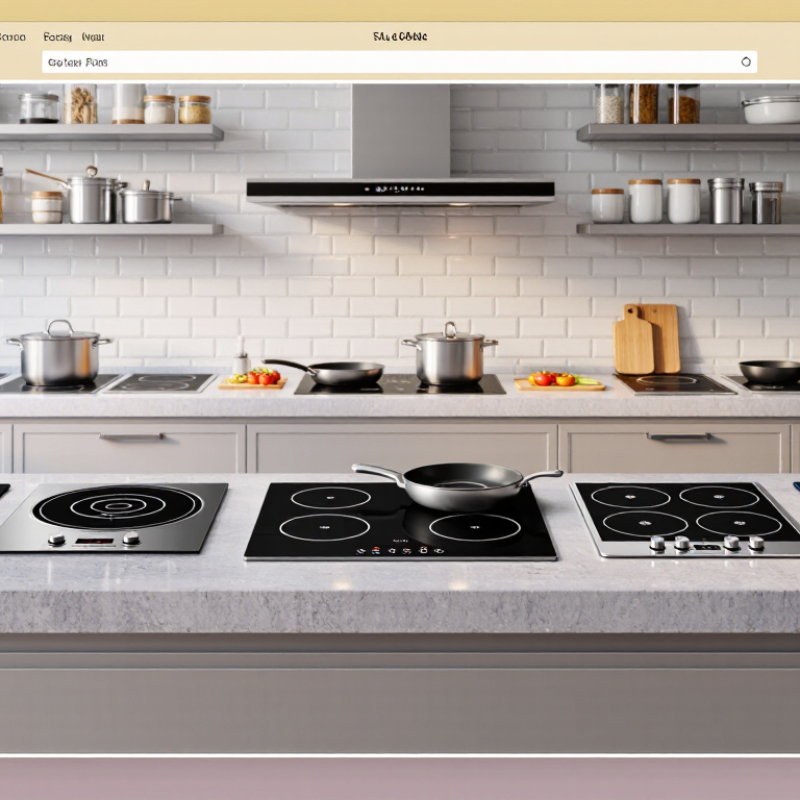
A multi-function induction cooker is a countertop appliance that heats compatible cookware through an electromagnetic field. Unlike a gas burner, it transfers energy directly to the pan rather than heating an open flame. The glass surface may stay cooler, though it can still become hot from contact with cookware. That distinction matters. A flat-bottomed magnetic pot is usually needed; a simple magnet can help check compatibility.
Depending on the model, functions may include boiling, simmering, frying, steaming, keeping food warm, and timed cooking. Power and temperature settings help users adjust heat for a pot of soup or a small pan of eggs. Preset programs are convenient, but they do not guarantee consistent results across different pans and ingredient amounts. A simmer setting may still need watching. In homes, compact kitchens, and temporary cooking spaces, these cookers can offer flexible meal preparation without a built-in stove. Buyers should compare power levels, control increments, cookware limits, and cleaning instructions. One detail is easy to overlook: ventilation around the appliance affects heat management, so it should not be crowded against a wall.
| No. | Dimension | Description | Common functions or characteristics | Typical applications |
|---|---|---|---|---|
| 1 | Definition | An electric cooking appliance that uses electromagnetic induction to heat compatible cookware directly. | A control circuit supplies high-frequency current to a coil beneath the cooking surface, inducing heat in suitable cookware. | Portable or built-in cooking in homes, small kitchens, and food-service settings. |
| 2 | Cookware compatibility | The cookware base must be magnetic and suitable for induction cooking. | Cast iron and many magnetic stainless-steel pans are commonly compatible. A magnet that sticks firmly to the base is a simple check; cookware instructions should also be consulted. | Everyday cooking with compatible pots and pans; non-magnetic aluminum, copper, or glass cookware generally requires an induction-compatible base. |
| 3 | Power adjustment | Selectable power levels let users adjust heating intensity. | Low settings support gentle heating, while higher settings provide faster heating. The available range and control steps depend on the model. | Simmering, sautéing, stir-frying, and bringing liquids to a boil. |
| 4 | Temperature control | Some models offer temperature settings or preset programs in addition to power-level control. | Temperature regulation is model-dependent and can be affected by cookware, food load, and the appliance’s sensing method. | Tasks that benefit from steadier heat, such as warming sauces or maintaining a gentle cooking temperature. |
| 5 | Preset cooking modes | Electronic presets provide preconfigured heating behavior for selected cooking tasks. | Depending on the unit, modes may include boiling, soup, steaming, hot pot, or slow cooking. Presets are not standardized across products. | Convenient preparation of common meals with fewer manual adjustments. |
| 6 | Timer and keep-warm | Some cookers include a timer and a function intended to maintain food warmth. | Timer behavior and keep-warm temperature vary by model; these features do not replace safe food-handling practices. | Timed cooking and short-term serving or reheating convenience. |
| 7 | Safety features | Electronic protections may help manage common operating conditions. | Depending on the model, features can include cookware detection, over-temperature protection, automatic shutoff, and a residual-heat indicator. Feature availability should be verified in the product manual. | Everyday cooking where monitoring and appropriate appliance use are important. |
| 8 | Heating response and surface | Heat is generated in compatible cookware rather than by a conventional exposed flame or glowing element. | The cooking surface is heated mainly by contact with the hot pan, but it can still become hot during use and retain heat afterward. | Indoor cooking where users want responsive heat adjustment and a smooth surface that is generally easy to wipe clean once cool. |
| 9 | Form factor and installation | Products are available in portable single-zone formats and larger built-in or multi-zone formats. | Electrical requirements, dimensions, ventilation clearances, and installation method vary; users should follow the model’s rating label and installation instructions. | Dormitories, compact apartments, temporary cooking stations, and fitted home kitchens. |
| 10 | Applications and selection | A multi-function induction cooker combines induction heating with selectable controls or cooking programs. | Compare compatible cookware, control options, cooking-zone size, rated electrical supply, safety features, and cleaning instructions. | Home meal preparation, hot-pot dining, light-duty office use, and other settings suited to the appliance’s specified capacity and installation requirements. |
Note: Functions and performance differ among models. Always check the appliance rating label, cookware guidance, and user manual before use.
Scan QR code to download the app
 Skip to main content