A Bottle Labeling Machine is more than a device that places adhesive material around a container. It is a coordinated system that detects, positions, applies, and checks labels at production speed. Bottles move along a conveyor, often separated by timing screws or star wheels. A sensor then identifies each bottle. The machine releases a label, applies glue or activates pressure-sensitive adhesive, and presses the label firmly against the surface.
“Labeling is where product identity meets production discipline,” says packaging machinery specialist John R. Henry. His observation captures an important reality. A neat label supports brand recognition, traceability, and customer confidence. A poorly positioned label can expose weak process control, even when the product itself is sound.
Small details matter. Bottle shape, surface moisture, label material, adhesive temperature, and conveyor speed all affect performance. On a glass bottle, a cold surface may reduce adhesive grip. On a flexible plastic container, excessive pressure may create wrinkles or distortion. Operators must adjust the machine, not simply increase its speed.
That sounds simple. It is not.
A reliable Bottle Labeling Machine combines mechanical movement, sensors, software settings, and careful inspection. Some models apply wrap-around labels, while others use front-and-back, top, or tamper-evident labels. The best choice depends on container geometry, label design, production volume, and maintenance capacity.
This guide explains how the equipment works, what happens during each labeling stage, and which practical factors influence accuracy. It also considers common setup mistakes. Real factories are rarely perfect, and even experienced teams revise their settings after observing actual bottles on the line.
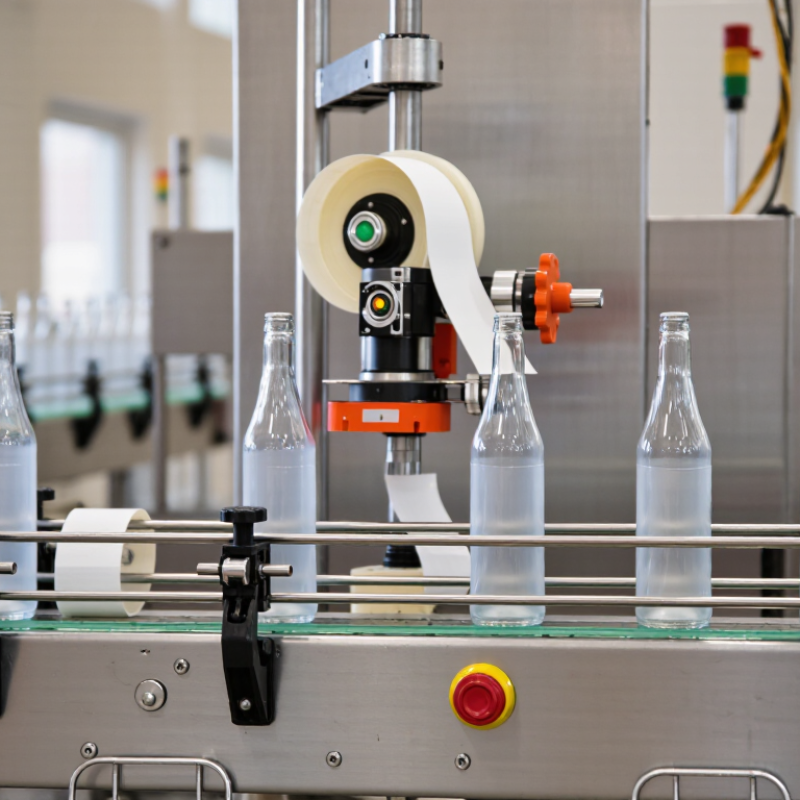
A bottle labeling machine is equipment that applies labels to bottles in a controlled, repeatable way. It may place labels on the front, back, neck, or around the full circumference. Depending on the bottle and production needs, the machine can use pressure-sensitive labels, wraparound labels, or other label formats. Its main parts often include a bottle conveyor, a label roll or feeder, an application head, and sensors that detect each container.
During operation, bottles move along the conveyor and are spaced for labeling. A sensor identifies a bottle and signals the application system to release a label at the right moment. Rollers or a wiping mechanism press the label onto the surface, helping it sit flat. Accurate results depend on more than the machine itself. Bottle shape, surface moisture, label material, and line speed all matter. A small change in bottle spacing can cause labels to shift.
These machines are used in food, beverage, personal care, and household product packaging. Some systems handle one bottle size, while adjustable models accommodate several formats. Setup still takes care. Operators may need to adjust guides, label position, and sensor timing when changing containers. The first run can be imperfect; checking a few bottles by hand often reveals wrinkles or uneven placement before the line continues.
A bottle labeling machine applies a label to a container with controlled speed and placement. It usually feeds bottles along a conveyor, detects each bottle with a sensor, and releases a label from a backing roll. A roller or belt then presses the label onto the surface. It feels simple. In practice, settings rarely stay perfect.
The main types include pressure-sensitive, wrap-around, front-and-back, and sleeve labeling machines. Pressure-sensitive models use adhesive labels and suit glass, plastic, and many household containers. They work well for small or medium production runs. Wrap-around machines place a label around cylindrical bottles, often using hot-melt or adhesive systems. They need accurate bottle spacing to prevent overlapping edges.
Front-and-back machines apply separate labels to two sides of a container. They are useful for flat bottles, jars, and products requiring detailed information on both faces. Sleeve labeling machines place a flexible film around the bottle, then use controlled heat to shrink it tightly. This method covers unusual shapes, but heat settings require careful testing.
Rotary machines use several stations around a rotating platform. They deliver high output and consistent placement on stable bottle shapes. However, they require more floor space and technical adjustment. Speed changes everything. Even a well-selected machine may struggle with dusty surfaces, uneven bottles, or changing label materials. Operators often improve results by checking sensor alignment, conveyor pressure, and label tension during production rather than relying only on the initial setup.
A bottle labeling machine is built around a few coordinated parts. The conveyor carries bottles past the labeling station, while adjustable guide rails keep them upright and spaced.
A sensor detects each bottle and signals the control system when to release a label.
Small details matter.
The label supply assembly holds the roll and feeds its backing paper through tension rollers. These rollers keep the web moving steadily toward a peel plate, where the label separates from its liner.
An applicator then presses the label onto the bottle. Depending on the machine, this may use a wipe-on pad, rollers, or a wraparound belt.
The drive motor controls conveyor and label-feed speed, while an operator panel sets parameters such as label position and bottle spacing.
Some systems include a printer for batch details or a camera that checks label placement.
These are useful additions, not universal parts. During setup, operators often test with actual bottles because small differences in diameter or surface texture can shift the label.
Alignment can drift during a long run, too. That is easy to overlook.
Regularly checking roller tension, sensor position, and the peel plate helps identify problems before crooked labels accumulate.
A bottle labeling machine applies labels while bottles move through a controlled path. The exact setup depends on bottle shape, label material, and production speed. A typical process starts with an operator loading a roll of labels and checking that its printed side faces the correct direction. The machine is then adjusted to match the bottle’s height and diameter. Guides keep each container steady. Small adjustments matter.
Bottles enter on a conveyor and pass a sensor, which detects their position. The machine times the label feed so one label reaches each bottle at the right moment. A peel plate separates the label from its backing paper. Rollers or a wipe-down belt press it onto the bottle, smoothing out wrinkles and trapped air. The labeled bottle continues toward inspection or packing. Operators often check label alignment, adhesion, and spacing during a test run. If labels drift or lift, they may adjust the guides, tension, or feed timing. In real production, the sequence is not always tidy; bottle surfaces and label stock can behave differently than expected. A brief pause to inspect a few bottles can prevent a longer run of crooked labels.
A bottle labeling machine automatically positions bottles, feeds labels, applies them to the container surface, and checks the final result. The chart shows a representative step-by-step cycle profile for a line operating at approximately 60 bottles per minute.
The actual timing depends on bottle shape, label material, application method, conveyor speed, and inspection requirements. In a typical cycle, accurate bottle spacing and label positioning are essential for consistent results.
What Is a Bottle Labeling Machine and How Does It Work?
What Factors Affect Bottle Labeling Machine Performance?
A bottle labeling machine applies labels to containers at a controlled speed. It feeds each bottle, detects its position, and places the label accurately. Rollers or belts then press the label against the surface. Performance depends on more than machine speed.
Bottle shape and surface texture matter greatly. Round, rigid bottles usually move more consistently than flexible containers. Condensation, dust, or oil can weaken label adhesion. Even a small surface curve may cause wrinkles or uneven edges. Label material, adhesive strength, and storage conditions also influence results. In production trials, labels stored in a hot room sometimes performed poorly. That assumption fails sometimes.
Machine adjustment is equally important. Excessive conveyor speed can reduce placement accuracy and increase label waste. Poor sensor alignment may cause missing or shifted labels. Operators should check guide rails, roller pressure, and roll tension during each shift. Regular cleaning prevents adhesive buildup around sensors and rollers. Temperature changes can also affect adhesive flow. Real production is messier. I have seen a well-calibrated machine struggle after a bottle supplier changed the container finish. Performance checks should therefore include actual bottles, labels, and operating conditions, not only empty test runs.
| Performance Factor | How It Affects Labeling | What to Monitor | Practical Control |
|---|---|---|---|
| Bottle shape and dimensional consistency | Changes in diameter, taper, seams, or surface profile can affect bottle spacing, rotation, label placement, and contact with the applicator. | Bottle diameter and height variation; skewed labels; wrinkles or lifting near curved areas. | Use bottles within the machine’s specified size range, select suitable guides and change parts, and maintain consistent bottle presentation. |
| Line speed and product spacing | The label feed and application system must keep pace with bottles arriving at the labeling station. Insufficient spacing can cause missed labels or collisions. | Bottles per minute; gaps between bottles; missed, doubled, or mispositioned labels. | Coordinate the conveyor, infeed, sensor, and label-feed settings. Set operating speed according to the machine configuration and product stability. |
| Label dimensions and material | Label length, width, stiffness, thickness, and liner properties influence feeding, dispensing, wrapping, and registration. | Label roll specifications; edge damage; skewing; dispensing consistency. | Use labels compatible with the applicator and bottle, keep rolls properly aligned, and confirm label dimensions and winding direction during setup. |
| Adhesive and bottle-surface condition | Adhesion depends on the adhesive type and on the cleanliness, dryness, temperature, and surface energy of the bottle. | Edge lift, bubbles, label movement, or poor adhesion after application. | Match the adhesive to the bottle material and operating conditions. Keep application surfaces free from moisture, dust, oil, and residue. |
| Label positioning and registration | Sensor timing, product detection, bottle orientation, and label-feed timing determine where the label lands. | Label height and wrap position; alignment to seams, shoulders, or other reference points. | Set sensor position and timing for the specific bottle and label. Verify placement over a representative run, not just a single bottle. |
| Web tension and label-feed path | Incorrect tension or a poorly aligned web can cause stretching, tearing, wrinkles, inconsistent dispensing, or liner breaks. | Web tracking; liner tension; label-feed interruptions; repeatability of label release. | Thread the web correctly, align rollers, and adjust tension within the equipment’s operating guidance. |
| Application method and contact pressure | Wipe-on, wrap-around, or other application arrangements require appropriate bottle contact and pressure for the package geometry. | Wrinkles, trapped air, incomplete wrap, or labels that shift after application. | Position applicator rollers or brushes correctly and use even contact pressure suited to the bottle and label construction. |
| Operating environment | Temperature and humidity can affect adhesive behavior, label stiffness, static, and bottle-surface conditions. | Changes in adhesion, label curl, static-related feeding issues, or condensation on bottles. | Follow label-material storage recommendations and allow bottles and labels to reach stable conditions before application. |
| Machine setup and maintenance | Worn rollers, dirty sensors, loose guides, or incorrect change-part settings can reduce repeatability and increase stoppages. | Unplanned stops; sensor errors; inconsistent placement; wear or residue on contact parts. | Clean sensors and rollers, inspect wear items, secure guides, and verify setup whenever bottle or label specifications change. |
Note: Actual performance depends on the machine design, bottle and label specifications, and operating conditions. Confirm settings through controlled production trials.
Scan QR code to download the app
LSP Products was founded by plumbers over 50 years ago with a focus on unparalleled innovation, superior product quality, and best-in-class service to the plumbing industry. Our primary focus is the new construction market where we develop products that make installations easy and provide significant cost savings to the plumbing/mechanical contractor. LSP has a manufacturing facility located in Monterrey, Mexico and a distribution center in Dallas, Texas. We are proud to offer many products designed and made in North America… About LSP
Submit the form below to receive the document via email.