Choosing the best China limestone veneer supplier requires more than comparing prices on a catalog page. Stone can look similar online yet differ in density, color movement, edge quality, and weather resistance. A reliable supplier should provide clear quarry information, recent project photos, technical data, and physical samples before any major order.
This guide examines how to assess limestone veneer manufacturers through practical and professional criteria. We will consider stone consistency, cutting accuracy, surface finishing, packaging, production capacity, and export experience. A capable supplier should explain water absorption, freeze-thaw performance, recommended applications, and maintenance requirements without hiding behind vague marketing language. Factory communication matters too. Prompt answers, detailed drawings, and honest lead-time estimates often reveal more than polished brochures.
Look closely.
Sample approval is essential. A small sample may not represent an entire shipment, especially when natural color variation is expected. Buyers should request batch photos, quality-control records, packing images, and references from comparable construction projects. Certifications can support confidence, but they should be verified and matched with the intended market’s requirements. No supplier is perfect, and even a strong factory may experience shade variation or occasional delays. That reality deserves discussion, not promises of flawless performance.
The best China limestone veneer supplier will combine dependable stone, transparent communication, consistent workmanship, and practical after-sales support. This article offers a structured way to compare suppliers and reduce avoidable purchasing risks. Yet every project has different climate, design, budget, and installation conditions. The final decision should reflect those details.
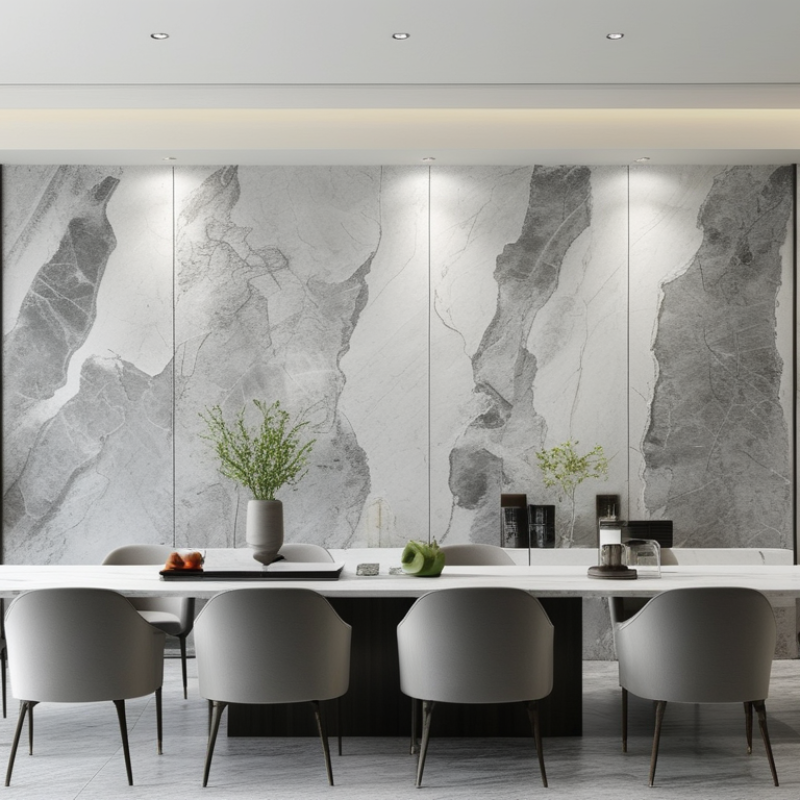
China limestone veneer is a thin stone facing made from natural limestone quarried and processed in China. It is usually cut into panels, strips, or irregular pieces for easier installation. The surface may be honed, brushed, split, or lightly tumbled. These finishes create different textures, from smooth and refined to rustic and weathered.
Color commonly ranges from ivory and warm beige to gray, cream, and soft yellow. Natural variation is normal. That variation needs careful control. On residential and hospitality projects, limestone veneer is often used for exterior facades, entrance walls, porch columns, and decorative cladding. Indoors, it suits feature walls, fireplaces, reception desks, stair surrounds, and kitchen backsplashes. It also appears on garden walls and landscape structures. Wet areas require more attention because some limestone absorbs water and may stain. A sealer can reduce marks, but it cannot fix poor drainage or incorrect installation.
A dependable China limestone veneer supplier should provide quarry details, thickness tolerance, water absorption data, and test documentation. Requesting current samples is important. A color board can mislead. I have seen a warm beige sample arrive with cooler gray pieces, showing weak batch control. Buyers should compare inspection photos, crate protection, production samples, and replacement terms before ordering. Clear drawings and installation conditions can prevent costly cutting errors.
| Limestone Veneer Category | What It Is | Typical Appearance | Key Characteristics | Common Applications | Recommended Finish | Supplier Evaluation Points |
|---|---|---|---|---|---|---|
| Natural Thin Limestone Veneer | A relatively thin layer of natural limestone cut from quarried blocks and used as a cladding material rather than as a full-depth masonry unit. | Cream, beige, ivory, gray, or light brown, with natural fossil marks, grains, and tonal variation. | Authentic stone character, lower weight than full-depth stone, and variation from piece to piece. Performance depends on thickness, substrate, anchoring, and installation quality. | Exterior façades, feature walls, entryways, fireplaces, garden walls, hospitality projects, and interior accent surfaces. | Honed, brushed, sandblasted, tumbled, split-face, or natural cleft, depending on the desired texture and slip requirements. | Confirm quarry source, thickness tolerance, water absorption, compressive strength, frost resistance, test reports, packing method, and sample consistency. |
| Cut-to-Size Limestone Panels | Factory-cut limestone pieces manufactured to specified dimensions for more controlled layouts and installation planning. | Uniform rectangular or square modules with controlled color selection and joint patterns. | Consistent sizing can reduce site cutting and waste, while the natural stone still retains modest color and veining variation. | Commercial façades, residential elevations, interior walls, elevator surrounds, reception areas, and ventilated rainscreen systems where approved. | Honed or lightly textured surfaces are commonly selected for clean architectural designs. | Check dimensional tolerances, panel flatness, edge treatment, corner pieces, layout drawings, installation instructions, and compatibility with the specified support system. |
| Textured or Split-Face Limestone Veneer | Limestone veneer intentionally finished with a rough, naturally broken, or mechanically textured face. | Strong relief, irregular shadows, and a rustic or natural appearance. | Creates visual depth and can conceal minor surface marks, but the uneven face may collect dust and require careful joint detailing. | Landscape walls, fireplace surrounds, feature walls, low-rise façades, entrance columns, and accent sections. | Natural split-face, rock-face, bush-hammered, or sandblasted textures. | Request close-up samples, verify thickness at the highest points, and confirm whether the surface is suitable for the intended cleaning method. |
| Limestone Mosaic or Modular Veneer | Small limestone units or pre-arranged modules assembled into repeating patterns or decorative layouts. | Geometric patterns, stacked layouts, random ashlar arrangements, or mixed-size designs. | Offers design flexibility and easier visual coordination, but requires accurate joint alignment and sufficient quantity from a consistent production batch. | Interior feature walls, bathrooms, kitchens, hotel interiors, reception counters, and sheltered exterior areas. | Honed, tumbled, brushed, or lightly antiqued finishes. | Verify mesh backing, module dimensions, alignment, replacement-piece availability, packaging protection, and suitability for wet areas. |
| Interior Limestone Wall Cladding | Limestone veneer selected primarily for indoor decorative wall surfaces and architectural detailing. | Soft neutral tones that complement wood, metal, glass, and painted finishes. | Adds natural texture and visual warmth; indoor use generally reduces exposure to freeze-thaw cycles and driving rain. | Living rooms, hotel lobbies, restaurants, offices, retail interiors, fireplace surrounds, and stair features. | Honed, polished, brushed, or smooth sawn, subject to the required appearance and maintenance level. | Evaluate color consistency, surface repair quality, edge finishing, stain resistance, installation guidance, and cleaning recommendations. |
| Exterior Architectural Limestone Veneer | Natural limestone cladding specified for outdoor walls and façades after assessment of climate, structure, drainage, and fixing requirements. | Natural light-colored stone with either a refined architectural finish or a more rugged façade texture. | Must be selected for the local exposure conditions. Limestone can be sensitive to acidic substances and may require proper detailing to manage water penetration. | Residential façades, commercial buildings, boundary walls, columns, entrance portals, and covered outdoor structures. | Sawn, honed, brushed, bush-hammered, or textured finishes selected according to climate and design requirements. | Require project-specific test data, freeze-thaw performance where relevant, water absorption results, slip or façade safety information, engineering support, and installation details. |

Scan QR code to download the app
 Skip to main content