Global buyers still encounter CVBS in replacement cameras, vehicle systems, access-control equipment, and industrial monitors. A Cvbs Camera Module converts image data into a familiar composite video signal, usually through a 75-ohm connection. It remains practical where existing cabling, low latency, and simple integration matter more than network features.
Market evidence supports a careful review rather than a fashionable choice. Fortune Business Insights estimates continued expansion in the global video-surveillance market, while MarketsandMarkets highlights rising demand for compact cameras, embedded vision, and upgrading legacy systems. These reports cover broader surveillance categories, not CVBS modules alone. That limitation matters. Report figures vary because analysts define markets differently.
This guide examines ten strong module options for international purchasing teams. It considers image quality, PAL and NTSC compatibility, lens performance, illumination, operating temperature, connector design, and supplier documentation. A module may produce a sharp image on a test bench but fail inside a vibrating vehicle or a dim warehouse. Small details matter.
Some rankings remain subjective.
The best choice depends on the installation. Buyers should verify real samples, not only catalog claims. They should also request test footage, dimensional drawings, voltage tolerances, and quality-control records. In my experience, unclear specifications create more delays than modest sensor limitations. The following selection therefore balances technical capability, sourcing reliability, and practical integration, while acknowledging that no single CVBS Camera Module suits every region, application, or budget.
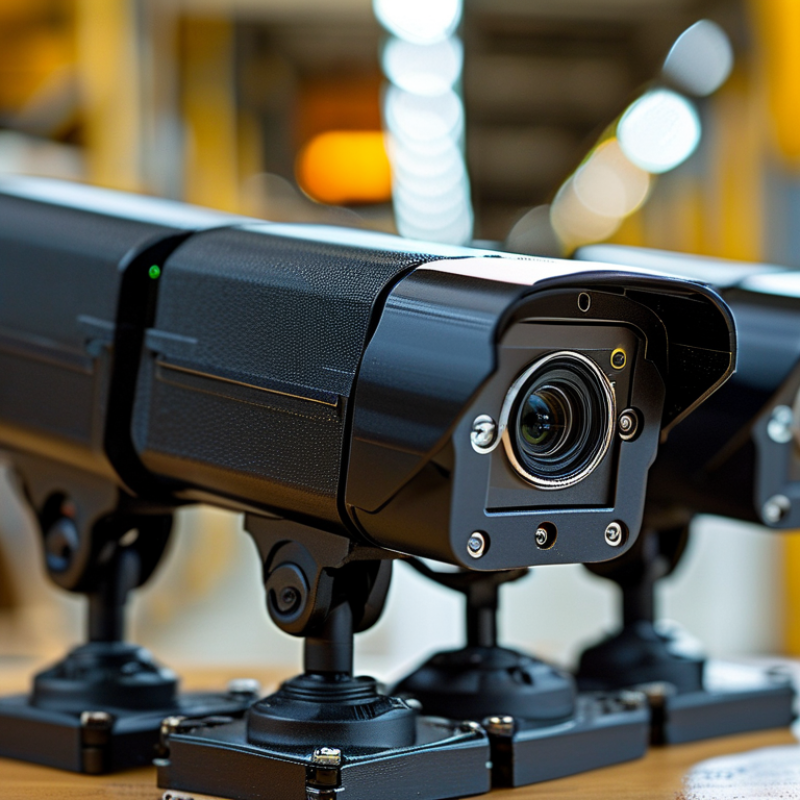
A CVBS camera module is a compact imaging unit that sends analog composite video through one output connection. CVBS means Composite Video Baseband Signal. The module combines brightness, color, and synchronization data into a single signal. Its sensor captures light, while internal processing converts the image into a compatible analog format. A display or recorder then decodes that signal.
In practical installation tests, the picture travels through a coaxial cable and appears with very little setup. Cable length, shielding, power stability, and connector quality affect clarity. PAL and NTSC versions use different timing and color standards, so buyers must match the camera with the receiving equipment. CVBS remains useful for older monitoring systems and simple embedded devices. It is not the newest interface. Still, its predictable output can simplify replacement projects. Image detail is limited compared with modern digital formats, and this limitation is easy to overlook.
Tips: Confirm the video standard before ordering. Test the module with the actual monitor, cable, and power supply. Check lens angle, low-light performance, operating temperature, and mounting dimensions. A small mismatch can create rolling images, weak color, or no picture. Ask for measured sample footage when specifications seem vague. In my experience, laboratory numbers do not always reflect a dim warehouse or a sunlit entrance. That is worth questioning.
| Module Profile | Typical Image Sensor | Effective Resolution | CVBS Standard | Video Output | Lens Option | Minimum Illumination | Supply Voltage | Infrared Support | Typical Application |
|---|---|---|---|---|---|---|---|---|---|
| 1. Compact PAL Module | 1/3-inch CMOS | 960H, approximately 976 × 582 pixels | PAL, 625 lines / 50 fields per second | 1.0 Vp-p composite video, 75 Ω | 3.6 mm fixed lens, approximately 75° horizontal field of view | About 0.1 lux with infrared disabled | 12 V DC ±10% | Usually compatible with 850 nm or 940 nm IR illumination | European-market CCTV cameras, access control and small indoor systems |
| 2. Compact NTSC Module | 1/3-inch CMOS | 960H, approximately 976 × 494 pixels | NTSC, 525 lines / 59.94 fields per second | 1.0 Vp-p composite video, 75 Ω | 3.6 mm fixed lens, approximately 75° horizontal field of view | About 0.1 lux with infrared disabled | 12 V DC ±10% | Supports monochrome night viewing with an external IR array | North American, Japanese and other NTSC-based surveillance installations |
| 3. 700-TV-Line Day/Night Module | 1/3-inch CMOS | 700 TVL class | PAL or NTSC selectable | Composite CVBS, 1.0 Vp-p, 75 Ω | 2.8 mm fixed lens, approximately 90° horizontal field of view | About 0.05 lux in color mode | 12 V DC ±10% | Mechanical IR-cut filter with external infrared illumination | Retail areas, corridors and general-purpose indoor monitoring |
| 4. Wide-Angle Dome Module | 1/3-inch CMOS | 600 TVL class | PAL or NTSC selectable | Composite CVBS, 1.0 Vp-p, 75 Ω | 2.1 mm fixed lens, approximately 120° horizontal field of view | About 0.1 lux in color mode | 12 V DC ±10% | Optional 850 nm IR illumination | Elevators, reception areas and compact indoor dome housings |
| 5. Low-Light Surveillance Module | 1/2.9-inch back-illuminated CMOS | 700 TVL class | PAL or NTSC selectable | Composite CVBS, 1.0 Vp-p, 75 Ω | 3.6 mm fixed lens, approximately 75° horizontal field of view | About 0.01 lux in monochrome mode | 12 V DC ±10% | Automatic day/night switching with IR-cut filter | Parking areas, warehouses and entrances with limited ambient light |
| 6. Outdoor Varifocal Module | 1/3-inch CMOS | 650–700 TVL class | PAL or NTSC selectable | Composite CVBS, 1.0 Vp-p, 75 Ω | 2.8–12 mm varifocal lens, approximately 25°–90° horizontal field of view | About 0.05 lux in color mode | 12 V DC ±10% | Mechanical IR-cut filter; suitable for external IR LEDs | Outdoor bullet housings, driveways and perimeter monitoring |
| 7. Board Camera Module | 1/4-inch CMOS | 600 TVL class | PAL or NTSC selectable | Composite CVBS, 1.0 Vp-p, 75 Ω | M12 interchangeable lens mount | About 0.1 lux in color mode | 5 V DC or 12 V DC, depending on the circuit design | IR sensitivity depends on the selected lens and filter configuration | Machine vision enclosures, kiosks and custom embedded equipment |
| 8. Miniature Pin-Hole Module | 1/4-inch CMOS | 480–600 TVL class | PAL or NTSC selectable | Composite CVBS, 1.0 Vp-p, 75 Ω | 2.1 mm or 3.7 mm pin-hole lens | About 0.2 lux in color mode | 5 V DC ±10% | Generally not intended for integrated infrared operation | Intercoms, vehicle interiors and space-constrained monitoring devices |
| 9. Extended-Temperature Module | 1/3-inch CMOS | 700 TVL class | PAL or NTSC selectable | Composite CVBS, 1.0 Vp-p, 75 Ω | 3.6 mm or 6 mm fixed lens | About 0.05 lux in color mode | 12 V DC ±10% | Day/night switching with optional 850 nm IR illumination | Industrial cabinets, transport equipment and semi-outdoor installations |
| 10. High-Resolution 960H Module | 1/3-inch CMOS | 960H, approximately 976 × 582 pixels in PAL or 976 × 494 pixels in NTSC | PAL or NTSC selectable | Composite CVBS, 1.0 Vp-p, 75 Ω | 3.6 mm, 6 mm or 8 mm fixed lens | About 0.05 lux in color mode | 12 V DC ±10% | Automatic IR-cut filter with external infrared illumination | Upgrading legacy analog systems while retaining existing coaxial cabling |
Note: A CVBS camera module converts the image captured by its sensor into a standard-definition composite analog signal. PAL and NTSC versions are not interchangeable without compatible equipment. Actual resolution, lens angle, illumination performance, voltage tolerance and operating temperature vary by module design and should be confirmed against the supplier’s datasheet before purchase.

Scan QR code to download the app
 Skip to main content