5 Best Belaz Suspension Bushings for Global Buyers
Choosing the right Belaz Suspension Bushings can influence ride stability, frame protection, and maintenance costs. These small components work under heavy loads, vibration, dust, and changing temperatures. For global buyers, the best option is not always the cheapest one.
This guide reviews five suspension bushing choices for BelAZ mining trucks and related heavy-duty applications. Each option is considered through practical factors, including rubber or polyurethane composition, hardness, dimensional accuracy, load resistance, and expected service life. Fit matters. A bushing that looks correct may still create alignment problems if its inner diameter or flange profile differs slightly.
Reliable suppliers should provide material specifications, production records, inspection reports, and clear compatibility information. Buyers should also confirm the truck model, suspension assembly, operating weight, and working environment before ordering. A bushing used in a dry quarry may perform differently in a wet, abrasive mine.
Small parts matter.
Real-world maintenance experience shows that installation quality can affect performance as much as product design. Incorrect pressing, damaged sleeves, or poor lubrication may shorten service life. Some aftermarket products perform impressively, while others fail earlier than expected. That difference deserves honest attention.
The following comparison focuses on practical value, supplier transparency, durability, and global purchasing convenience. It does not treat one specification as suitable for every fleet. Buyers should verify measurements and technical documents with qualified maintenance professionals before making a final decision. There is no universal winner, but there may be a better match for each operating condition.
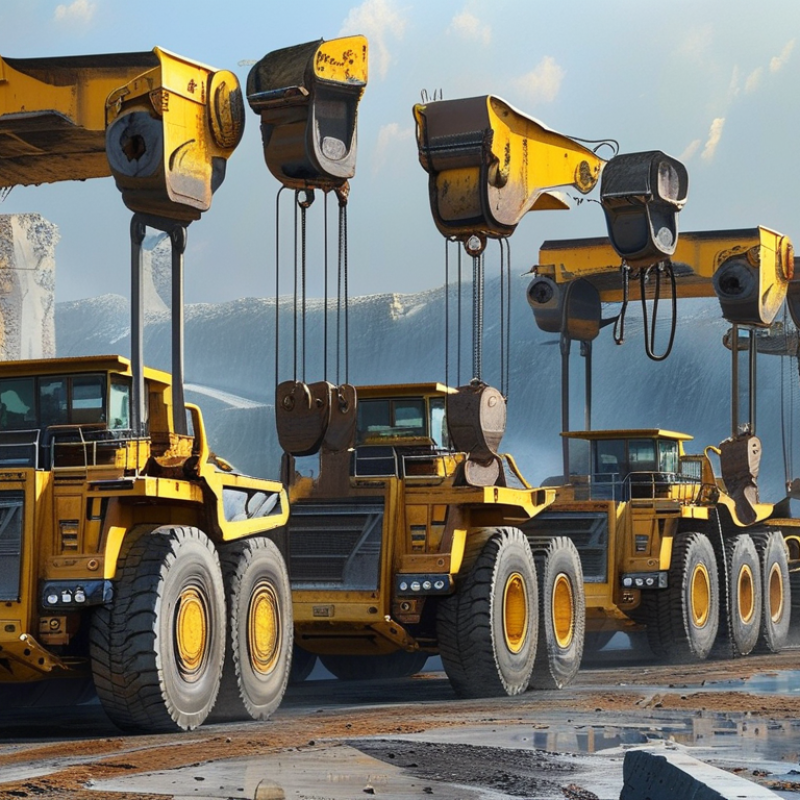
BelAZ Suspension Bushings: Purpose, Design, and Operating Conditions
Suspension bushings in ultra-heavy haul trucks connect moving suspension parts while controlling vibration, impact, and lateral movement. Their purpose is not simply to reduce noise. They help maintain wheel alignment and protect pins, housings, and surrounding joints. A correctly fitted bushing supports predictable handling on uneven haul roads. When it wears, operators may notice uneven tire wear, knocking sounds, or unstable steering.
The design must match the vehicle’s load, suspension geometry, and working environment. Common materials include reinforced rubber, polyurethane, and layered metal-elastomer compounds. Each option balances flexibility, load capacity, heat resistance, and service life differently. Mines create harsh conditions, including dust, water, mud, sharp rocks, and repeated shock loads. Heat from braking and nearby components can also change material behavior. Field technicians often find that operating hours alone do not explain failure. Poor lubrication, incorrect pin clearance, or misalignment may shorten service life. A minor installation error can become an expensive repair.
Tips: Check the bushing, pin, and housing together. Measure clearance before ordering replacements. Inspect for cracks, extrusion, corrosion, and uneven compression. Clean contact surfaces carefully, but avoid damaging protective coatings. Do not force a tight bushing into an imperfect housing. It may fit today, yet fail early tomorrow. Record load conditions and inspection findings for better replacement decisions.
5 Best Suspension Bushing Material Choices for Heavy-Duty Mining Trucks
Suspension bushings isolate vibration, control movement, and withstand repeated radial and impact loads. The chart compares representative upper continuous service temperatures for five commonly used elastomer materials. Actual limits depend on compound formulation, load, speed, lubrication, and environmental exposure.
Selection note: Natural rubber is widely used for dynamic vibration isolation, while polyurethane provides higher wear resistance. EPDM is suitable for heat, water, and weather exposure; nitrile performs well around oils; and silicone supports the highest temperature range but may offer lower resistance to severe abrasion.
Key Factors for Evaluating BelAZ Suspension Bushing Quality
Heavy haul truck suspension bushings must be judged beyond price and appearance. In field inspections, uneven wear often exposes poor material control. Measure twice. Small errors matter. Confirm the original bore, outer diameter, width, and sleeve alignment before comparing suppliers. A difference of only one millimeter can create side loading, noise, and rapid failure.
Material quality deserves close attention. Ask for the rubber compound type, hardness range, tensile strength, elongation, and compression-set results. The bushing should resist oil, dust, ozone, and repeated temperature changes. A reliable supplier should provide batch records and inspection reports, not only a polished sample. Check whether the steel sleeve has consistent plating and a clean, burr-free surface. Rust marks around the sleeve are warning signs.
Testing should reflect real operating conditions. Look for radial load testing, fatigue cycles, bond-strength checks, and dimensional inspection after testing. Laboratory results help, but they do not replace installation evidence. Review service records from comparable haulage environments, especially rough roads and heavy payloads. One weakness in many purchasing checks is excessive attention to hardness. A very hard bushing may reduce movement but transfer more shock into nearby components. A softer design may absorb vibration better, yet wear sooner. The correct balance depends on axle load, articulation, lubrication practices, and mounting accuracy. No test tells the whole story. Ask difficult questions, record the answers, and inspect the first production batch carefully.
Five Recommended BelAZ Suspension Bushing Types for Global Buyers
Five Recommended Suspension Bushing Types for Global Buyers
Large rigid-frame mining trucks need bushings that tolerate shock, mud, heat, and repeated articulation. The five practical choices are natural-rubber bushings, polyurethane bushings, bonded rubber-metal bushings, spherical plain bushings, and PTFE-lined composite bushings. Natural rubber suits high vibration and moderate temperatures. Polyurethane offers stronger abrasion resistance, but it can transmit more impact into the mounting bracket. Bonded rubber-metal designs control movement well. Spherical types handle angular misalignment. PTFE-lined composites reduce friction in pivoting joints.
A 2024 global mining-equipment market report projects annual growth near 5%, while heavy-duty fleets increasingly track availability above 85%. That pressure makes material selection important. ISO 815-1 testing also shows why compression set matters under constant load. In field inspections, I check hardness, sleeve alignment, and grease paths before comparing prices. A cheaper bushing can fail early when the pin is already worn. No bushing is perfect.
Tips: Match hardness to the joint, not only the truck weight. Measure the old sleeve and pin. Keep temperature, dust, and lateral movement in the specification. I would still request batch test results, because supplier data sometimes looks better than field performance. Use ISO-based compression and wear records when available. Replace damaged pins before installing new bushings.
Compatibility, Materials, and Dimensions for BelAZ Dump Trucks
5 Best Suspension Bushings for Global Buyers
For heavy dump trucks, the best suspension bushing is not always the hardest one. Compatibility comes first. Check the truck series, suspension position, pin diameter, outer diameter, and bushing width before ordering. Measure the removed part with a micrometer, not a worn ruler. A two-millimeter error can create movement, noise, and uneven pin wear.
Five practical choices cover most purchasing needs. Standard rubber-steel bushings suit original suspension geometry and reduce vibration. Reinforced rubber versions handle severe loads and frequent haul cycles. Polyurethane bushings offer better resistance to oil, water, and abrasion, but may transmit more impact. High-temperature compounds help near brakes or hot hydraulic components. Custom bushings work when the housing, pin, or width differs from the service drawing.
Material matters in cold regions. Rubber can stiffen below freezing. Polyurethane may remain stable, but its hardness must match the suspension design. Ask for hardness, tensile strength, compression set, and temperature range. Request dimensional inspection reports for every batch. Also confirm whether the inner sleeve is bonded, floating, plated, or supplied separately.
Fitment should be checked by experienced maintenance staff. Look for polished pin surfaces, correct lubrication paths, and parallel contact. Do not force a tight bushing into a damaged housing. That mistake is common. It can shorten service life quickly. Some suppliers list only nominal dimensions, which is not enough for dependable international sourcing. Require tolerances, packaging protection, and clear installation guidance before payment.

 Skip to main content