What are the Benefits of Using Galvanized Steel Wire?
Galvanized Steel Wire has become an essential material across various industries. The global market for galvanized steel wire is projected to reach $27 billion by 2027, with a continuous demand in construction and manufacturing sectors. Experts emphasize its durability and resistance to corrosion, making it ideal for long-lasting applications. Dr. Emily Johnson, a leading expert in materials science, states, “Galvanized Steel Wire offers unmatched strength and longevity, which is critical in infrastructure development.”
Furthermore, the wire’s affordable cost-effectiveness plays a significant role in its widespread use. Studies reveal that using galvanized steel wire can reduce maintenance costs by up to 30% compared to non-galvanized alternatives. This offers businesses not just savings but also peace of mind regarding structural integrity.
While the benefits are evident, not all galvanized steel wire products are equal. Variations in coating thickness and manufacturing processes can affect performance. Thus, selecting high-quality sources becomes a necessary endeavor. As industries evolve, understanding the advantages and limitations of galvanized steel wire remains crucial for optimizing both safety and efficiency.
Definition and Characteristics of Galvanized Steel Wire
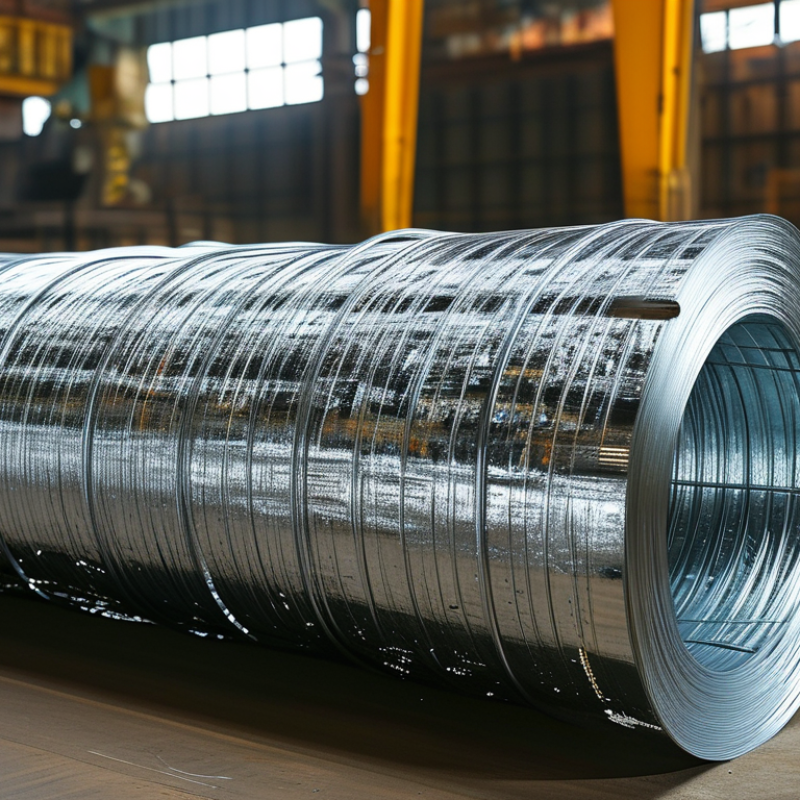
Galvanized steel wire is a versatile material widely used in construction, fencing, and manufacturing. It is created by coating regular steel wire with a layer of zinc, which provides excellent corrosion resistance. This coating forms a protective barrier, enhancing the wire's durability. You can expect longer-lasting performance when you choose galvanized steel wire for your projects.
One of the key characteristics of galvanized steel wire is its strength. It is tensile and can withstand significant forces without breaking. This makes it suitable for various applications, from agriculture to industrial settings. In addition, its flexibility allows for easy bending and shaping. The visual appeal of galvanized wire, with its shiny, silver finish, can also add aesthetic value to your project.
**Tips:** Ensure proper storage of galvanized wire to prevent any scratches on the coating. Even minor damage can lead to rust over time. Be mindful of using the right gauges for your specific needs. Thicker gauges are stronger but may be harder to work with. Regularly inspect the wire for signs of wear or corrosion, particularly in exposed outdoor settings.
Benefits of Using Galvanized Steel Wire
This bar chart illustrates the key benefits of using galvanized steel wire, showcasing its corrosion resistance, strength, durability, cost-effectiveness, and versatility. Each benefit is represented as a percentage to highlight its relative importance.
Corrosion Resistance and Longevity of Galvanized Steel Wire
Galvanized steel wire offers significant corrosion resistance, making it ideal for outdoor applications. The zinc coating provides a protective barrier against moisture and corrosive elements. This feature extends the lifespan of the wire, ensuring reliability in various conditions. Industries frequently use this material due to its durability and strength.
In addition to its protective qualities, galvanized steel wire also demonstrates remarkable longevity. This wire can withstand harsh environments, such as coastal areas with salty air. While it is resistant to rust, perfection in corrosion resistance is not guaranteed. Some users still report minor rusting in extreme conditions. It’s essential to evaluate different environmental factors before selecting galvanized steel wire for specific projects. Detecting signs of wear and tear early improves overall safety and ensures long-term effectiveness.
Furthermore, the maintenance of galvanized steel wire is relatively easy. Occasionally inspecting the wire can enhance its lifespan. However, certain environments may require extra precautions. Thinking about the long-term implications can guide better decisions in wire selection. It’s crucial to weigh both benefits and limitations to determine the best fit for your needs.
Applications of Galvanized Steel Wire in Various Industries
Galvanized steel wire is widely used across many industries due to its unique properties. Its corrosion resistance makes it ideal for outdoor applications. In agriculture, galvanized wire is often used in fencing. It keeps livestock secure while withstanding harsh weather. Fencing plays a critical role in maintaining farm operations.
In construction, galvanized wire finds extensive use in reinforcing concrete structures. Contractors appreciate its strength and durability. It holds up well against the elements, reducing maintenance needs. However, improper installation can lead to issues over time, like rust or structural weaknesses.
The automotive industry also benefits from galvanized steel wire. It is used in various components, enhancing durability and longevity. This reduces the frequency of repairs, which is a cost-saving factor. Yet, there are concerns about the overall ecological impact of galvanized steel production. Continuous assessment of its ecological footprint can lead to improvements in manufacturing practices.
Cost-Effectiveness of Using Galvanized Steel Wire
Galvanized steel wire is increasingly favored for various applications, primarily for its cost-effectiveness. It offers a practical solution for many industries. The production process involves coating steel with zinc, which enhances its durability. This resistance to rust and corrosion is especially crucial in outdoor and demanding environments. As a result, the long lifespan of galvanized steel wire reduces the frequency of replacement, ultimately saving costs over time.
Additionally, the versatility of galvanized steel wire makes it suitable for numerous uses. From construction to agricultural fencing, its adaptability is a significant advantage. This wire can withstand harsh conditions while maintaining structural integrity. However, some may argue that initial costs can be higher than non-galvanized alternatives. The perception of higher upfront expenses can be a barrier, yet the long-term savings are undeniable.
In various applications, the reality of maintenance and repair costs should not be overlooked. Regular inspections are necessary to ensure optimal performance. In some cases, galvanized steel wire may still require protective measures in extreme environments. Acknowledging these factors can guide users toward making informed decisions. While it may not be perfect for every scenario, the overall benefits often outweigh the drawbacks.
What are the Benefits of Using Galvanized Steel Wire? - Cost-Effectiveness of Using Galvanized Steel Wire
| Benefit | Description | Cost-Effectiveness |
| Corrosion Resistance | Galvanized steel wire is coated with zinc, providing a protective barrier against rust and corrosion. | Reduces maintenance and replacement costs over time. |
| Durability | It has excellent tensile strength and is able to withstand various environmental conditions. | Longer lifespan translates to lower overall costs. |
| Versatility | Can be used in a variety of applications, including fencing, construction, and agriculture. | Reduces the need for multiple materials, saving on procurement costs. |
| Low Maintenance | Requires minimal upkeep compared to untreated steel. | Decreases long-term labor and material costs. |
| Eco-Friendly | Recyclable materials help reduce environmental impact. | Long-term sustainability may lower costs related to environmental compliance. |
Environmental Impact and Sustainability of Galvanized Steel Wire
Galvanized steel wire has gained popularity for its durability and strength. However, its environmental impact is an important aspect to consider. The process of galvanization involves coating steel with zinc, which helps prevent rust. This method extends the life of the steel. It reduces waste and the frequency of replacement, which can be beneficial for the environment.
On the other hand, the production process for galvanized steel wire does consume resources. Extracting zinc and creating the coating requires energy. While the end product is recyclable, there are concerns about emissions during production. The environmental footprint of galvanization cannot be ignored. This raises questions about the balance between resource use and long-term benefits.
Choosing galvanized steel wire can offer sustainability benefits, such as less waste. However, it’s crucial to be aware of the entire lifecycle. The focus should not only be on the durable qualities but also on how production affects the planet. There is still a need for improvement in manufacturing practices. Striking this balance is key to making better choices for both consumers and the environment.

 Skip to main content