Why Choose PU Foam Insulation for Your Home: Benefits and Advantages Explained

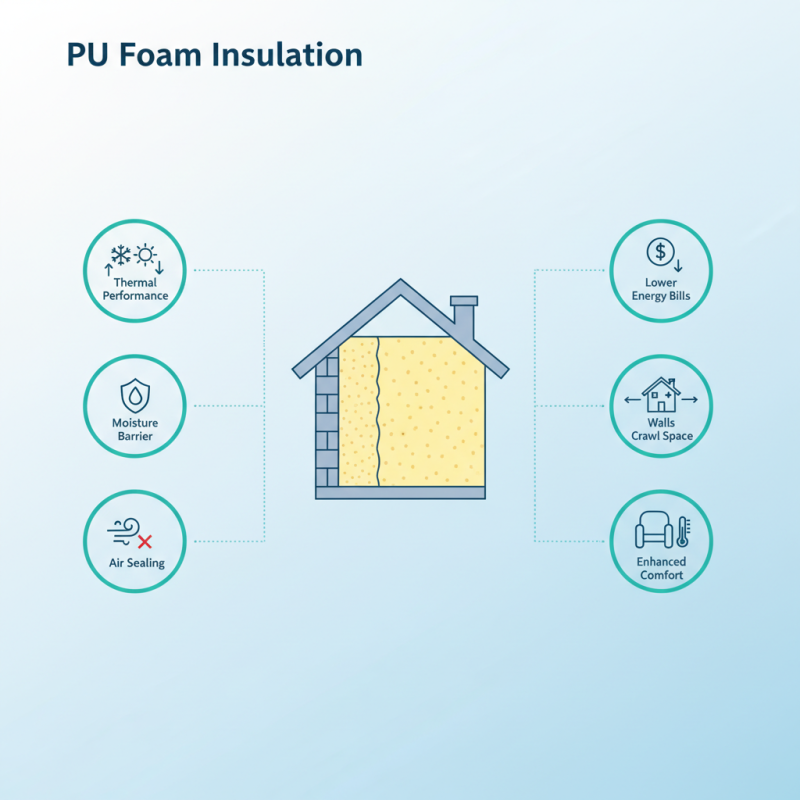
When it comes to enhancing your home's energy efficiency, one material stands out for its exceptional properties: PU foam insulation. This innovative insulation solution has gained popularity among homeowners and builders alike due to its numerous benefits and advantages. PU foam insulation not only provides superior thermal performance but also acts as a barrier against moisture and air infiltration, leading to a more comfortable living environment.

Furthermore, the application of PU foam insulation can contribute significantly to lowering energy bills by minimizing heat loss in the winter and keeping your home cool in the summer. Its versatility allows it to be used in various parts of the home, from attics to walls, and even crawl spaces, ensuring comprehensive coverage and insulation. In this article, we will explore the undeniable reasons to choose PU foam insulation for your home, detailing how this remarkable material can enhance your property's energy efficiency, durability, and overall comfort.
Why Choose PU Foam Insulation for Your Home: Benefits and Advantages Explained

What is PU Foam Insulation and How Does It Work?

Why Choose PU Foam Insulation for Your Home: Benefits and Advantages Explained

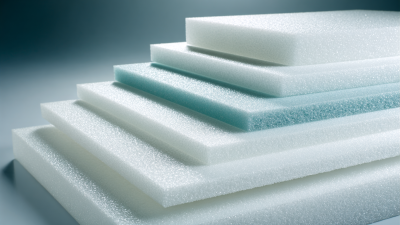
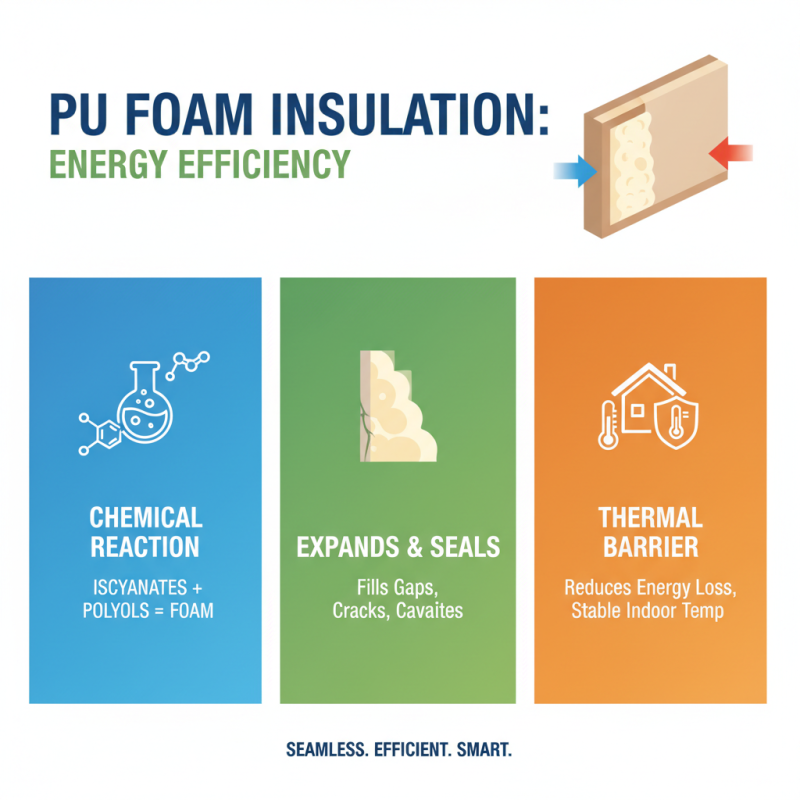
PU foam insulation, or polyurethane foam insulation, is a type of insulation material known for its exceptional thermal performance and energy efficiency. It is created through a chemical reaction between isocyanates and polyols, forming a foam that can expand and fill gaps, cracks, and cavities in a building's structure. This unique property allows PU foam to create a seamless barrier against air infiltration and thermal bridging, effectively reducing energy loss and maintaining indoor temperature stability.

The effectiveness of PU foam insulation lies in its cellular structure, which traps air in tiny pockets, providing an excellent R-value. This means it has a higher resistance to heat flow compared to traditional insulation materials, making it particularly beneficial for energy conservation in both residential and commercial settings. Moreover, its lightweight nature and easy application process allow it to be sprayed or injected into hard-to-reach areas, ensuring comprehensive coverage without disrupting the building's existing framework. This adaptability not only enhances energy efficiency but also contributes to overall comfort and sustainability in any property.
Key Benefits of Using PU Foam Insulation in Your Home

Polyurethane (PU) foam insulation is becoming a popular choice for homeowners seeking efficient and effective thermal management. One of the key benefits of PU foam insulation is its exceptional insulating properties. With a higher R-value per inch compared to traditional insulation materials, PU foam provides superior thermal resistance, helping to maintain a comfortable indoor climate year-round. This efficiency not only reduces energy consumption but also lowers utility bills, making it a financially savvy investment.

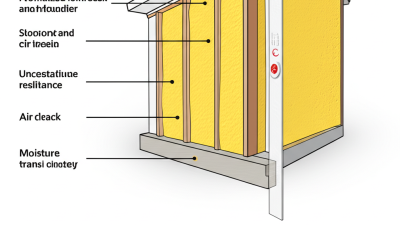
In addition to thermal performance, PU foam insulation also offers excellent air-sealing capabilities. The foam expands upon application, filling gaps and cracks that may allow air leakage, thereby enhancing the overall airtightness of the home. This feature minimizes the risk of drafts and cold spots, contributing to improved comfort. Furthermore, by reducing air infiltration, homeowners can enhance their indoor air quality and reduce the burden on heating and cooling systems, leading to additional energy savings and a longer lifespan for HVAC equipment. Overall, the combination of thermal efficiency and air-sealing benefits makes PU foam a smart choice for modern home insulation solutions.

Benefits of PU Foam Insulation for Your Home

Comparative Analysis: PU Foam vs. Traditional Insulation Materials

When considering insulation materials for your home, a comparative analysis of PU foam and traditional options such as fiberglass and cellulose is essential to understanding their advantages. Polyurethane (PU) foam insulation is known for its superior thermal resistance, often boasting a higher R-value per inch than traditional materials. This means it provides better insulation with less thickness, allowing for more usable space within walls and cavities. Additionally, PU foam creates an airtight seal that significantly reduces air leaks, enhancing energy efficiency and reducing heating and cooling costs.

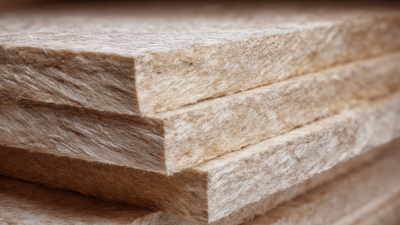
On the other hand, traditional materials like fiberglass and cellulose may be less effective at insulation, often requiring more material to achieve similar R-values. Fiberglass, while being non-combustible and resistant to moisture when properly installed, can lose its insulating properties if compressed or exposed to high humidity. Cellulose, made from recycled paper, is more environmentally friendly but can settle over time, reducing its effectiveness. Overall, PU foam’s combination of high efficiency, superior air sealing properties, and space-saving design positions it as a compelling choice for homeowners looking to optimize their insulation strategy.

Environmental Impact and Sustainability of PU Foam Insulation

Polyurethane (PU) foam insulation not only offers excellent thermal performance but also showcases a significant commitment to environmental sustainability. One of its key advantages lies in its energy efficiency; by improving a building's insulation, PU foam reduces energy consumption, thereby lowering greenhouse gas emissions associated with heating and cooling. This efficiency translates into less reliance on fossil fuels, promoting a healthier environment. Additionally, the lifespan of PU foam insulation is long, which means it helps decrease the frequency of replacements, ultimately minimizing waste in landfills.

Another essential aspect of PU foam insulation is its potential for environmentally responsible production methods. Many manufacturers are focusing on using renewable resources and non-ozone-depleting materials in the formulation of PU foam, thereby lessening the product's overall ecological footprint. Furthermore, advancements in technology are enabling the development of water-blown PU foams, which reduce toxic emissions during production. By choosing PU foam insulation, homeowners can actively contribute to sustainability efforts, making a positive impact both on their living environment and on broader ecological systems.

Installation Process and Maintenance of PU Foam Insulation

PU foam insulation has gained significant attention for its efficiency and effectiveness in modern construction. The installation process of PU foam insulation usually involves two main methods: spray foam and board foam. Spray foam insulation is applied using a specialized spraying machine that mixes two components on-site, which expands and cures to create an airtight seal. This method is particularly advantageous for irregular surfaces and hard-to-reach areas, ensuring maximum coverage and minimizing thermal bridging. According to a report by the Building Research Establishment, using spray foam insulation can result in energy savings of up to 50% in HVAC costs, highlighting its effectiveness in maintaining temperature stability within a home.

Once installed, the maintenance of PU foam insulation is relatively straightforward. It is resistant to moisture, mold, and pests, which are common detractors of traditional insulation materials. Regular inspections are recommended to check for any physical damage, particularly at the seams and joints. Studies indicate that proper maintenance can extend the lifespan of PU foam insulation to over 30 years, making it a durable choice for homeowners. Additionally, its closed-cell structure offers an additional layer of protection against air and moisture infiltration, contributing to the overall energy efficiency and comfort of the home environment.

LSP App

Download the LSP App now

Scan QR code to download the app

We use cookies to personalize content, utilize website traffic analytics & support our marketing initiatives. By continuing to browse our site you consent to receive our cookies. For more information see our Privacy Statement
Ok