Top 10 Benefits of PU Foam Insulation for Energy Efficiency and Home Comfort

In the quest for more energy-efficient homes, the significance of PU foam insulation has come to the forefront. As energy costs rise and environmental consciousness grows, homeowners are increasingly seeking innovative solutions to enhance comfort while reducing energy consumption. According to industry expert Dr. Emily Carter, a leading authority on building materials and energy efficiency, "PU foam insulation not only provides excellent thermal performance but also contributes to a healthier indoor environment." Her insights highlight the dual benefits of this material, making it a preferred choice for modern construction and renovation projects.

The advantages of PU foam insulation extend beyond mere energy savings; they encompass improved air quality and noise reduction, making homes more comfortable year-round. As we delve into the top ten benefits of PU foam insulation, it becomes clear that this versatile material plays a pivotal role in creating living spaces that are not only energy-efficient but also conducive to overall well-being. By understanding these benefits, homeowners can make informed decisions that will enhance their living environment and reduce their carbon footprint significantly.
Top 10 Benefits of PU Foam Insulation for Energy Efficiency and Home Comfort

The Role of PU Foam Insulation in Reducing Energy Costs by Up to 30%

Top 10 Benefits of PU Foam Insulation for Energy Efficiency and Home Comfort

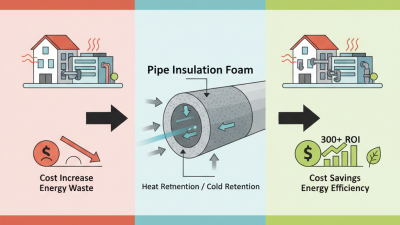
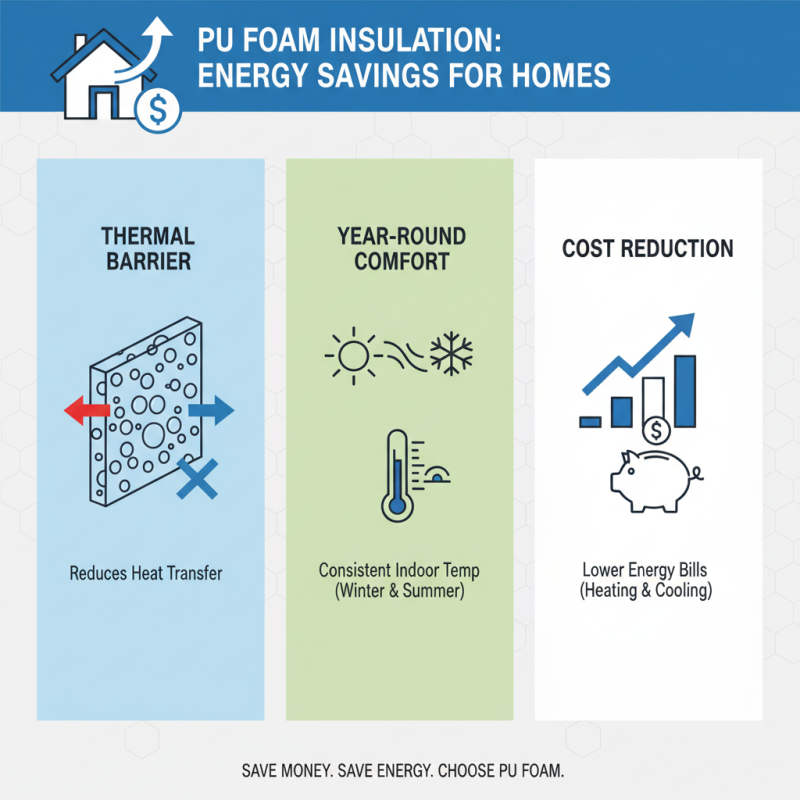
Polyurethane (PU) foam insulation plays a critical role in enhancing energy efficiency in residential spaces, significantly contributing to cost reduction in energy bills. By creating a strong thermal barrier, PU foam insulation minimizes heat transfer between the interior and exterior of a home. This means that during winter, less heat escapes, while in the summer, less heat infiltrates. As a result, homeowners can maintain a consistent indoor temperature with less reliance on heating and cooling systems, ultimately leading to substantial energy savings.

Studies suggest that implementing PU foam insulation can reduce energy costs by up to 30%, making it an attractive option for those looking to improve their home's efficiency. The high R-value of polyurethane foam indicates its superior insulating properties, which outperform traditional insulation materials. Additionally, it can fill even the smallest gaps and cracks, ensuring a tight seal that prevents drafts and thermal bridging. This not only enhances comfort within the home but also lowers the frequency and intensity of heating and cooling needed, providing a dual benefit of comfort and cost efficiency.
How PU Foam Insulation Enhances Indoor Air Quality and Comfort Levels

Polyurethane (PU) foam insulation has gained popularity not only for its energy efficiency but also for its significant contributions to indoor air quality and overall home comfort. One of the primary ways PU foam achieves this is through its ability to create an airtight barrier, effectively reducing the infiltration of outdoor pollutants. According to the U.S. Environmental Protection Agency, indoor air can be up to five times more polluted than outdoor air, highlighting the need for effective insulation solutions. By minimizing leaks and gaps within a building's structure, PU foam helps maintain a controlled indoor environment, reducing the presence of allergens, dust, and moisture that can compromise air quality.

Moreover, PU foam's superior thermal performance plays a crucial role in enhancing comfort levels within homes. As a high R-value material, it helps maintain consistent indoor temperatures regardless of external weather conditions. A study published by the Department of Energy indicates that homes with effective insulation can save up to 20% on heating and cooling costs, which directly impacts energy bills while promoting a more stable and comfortable atmosphere. The combination of these benefits not only elevates living conditions but also contributes to energy savings and sustainability, making PU foam an attractive choice for homeowners aiming to improve their living environment.

Top 10 Benefits of PU Foam Insulation for Energy Efficiency and Home Comfort

This chart illustrates the top benefits of PU foam insulation, highlighting its impact on energy efficiency, home comfort, and indoor air quality. Each bar represents a percentage value reflecting the importance and effectiveness of each benefit.

Comparative Analysis: PU Foam Insulation vs. Traditional Insulation Materials

Top 10 Benefits of PU Foam Insulation for Energy Efficiency and Home Comfort

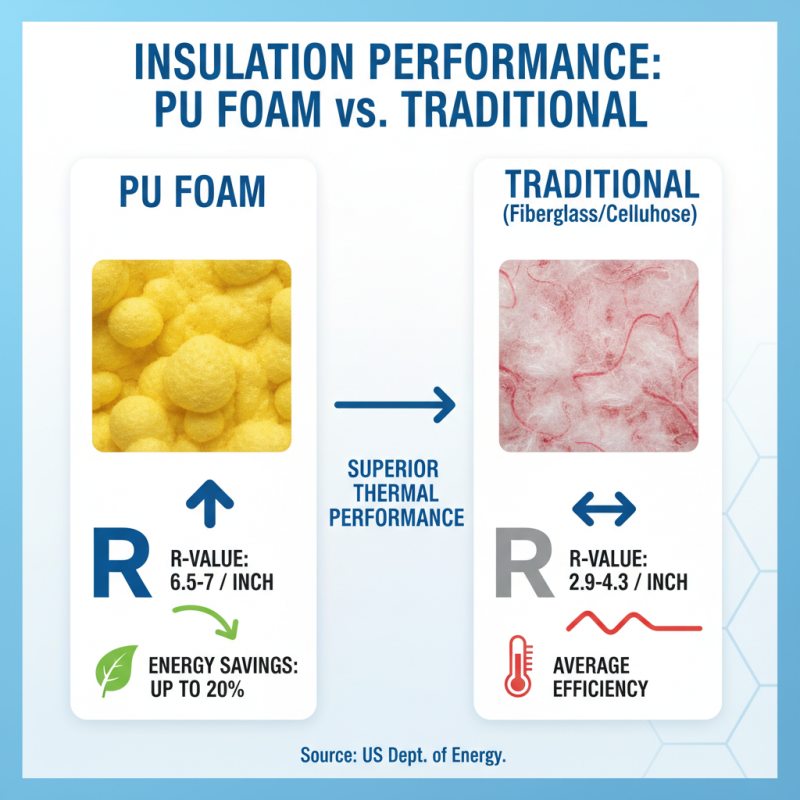
When comparing PU foam insulation to traditional insulation materials, such as fiberglass and cellulose, the differences in energy efficiency are striking. PU foam, known for its superior thermal performance, typically has an R-value of around 6.5 to 7 per inch, whereas fiberglass insulation ranges from R-2.9 to R-4.3 per inch. This substantial difference means that homes insulated with PU foam can achieve more effective temperature regulation, leading to a significant reduction in energy consumption for heating and cooling. According to the U.S. Department of Energy, improving insulation can reduce energy bills by up to 20%, highlighting the cost savings associated with selecting high-performance materials like PU foam.

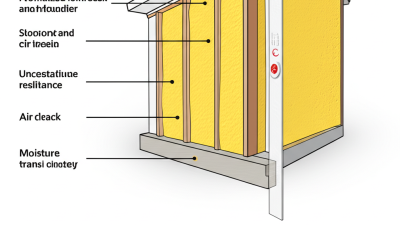
Additionally, PU foam insulation also excels in air sealing capabilities. It expands upon application, filling gaps and cracks more thoroughly than traditional materials, which often leave voids that can compromise thermal performance and lead to drafts. Research from the Oak Ridge National Laboratory indicates that air leakage can account for up to 40% of a home's heating and cooling costs. Therefore, by minimizing air infiltration, PU foam not only enhances energy efficiency but also contributes to improved indoor air quality and overall home comfort. This advanced insulation solution not only addresses thermal resistance but also acts as a barrier against moisture and allergens, which further enhances living conditions compared to conventional insulation options.

Real-World Case Studies: Energy Savings with PU Foam in Residential Use

In examining the real-world applications of polyurethane (PU) foam insulation, case studies reveal significant energy savings and enhanced comfort in residential settings. One notable example is a family home in a temperate climate that underwent a full insulation upgrade using PU foam. Post-installation energy audits demonstrated a remarkable 30% reduction in heating costs during winter months, largely attributed to the foam's superior air sealing properties, which prevent drafts and thermal bridging. This not only improved the indoor temperature consistency but also reduced reliance on heating systems, leading to lower energy bills.


Another case study highlights a renovation project where PU foam was installed in the attic and walls of an older home. Homeowners reported noticeable improvements in indoor air quality and comfort levels, with a decrease in air leakage and humidity issues. The enhanced insulation made the home feel warmer in winter and cooler in summer, directly translating to an estimated 25% annual savings on energy consumption. These examples illustrate that PU foam insulation is a viable solution for homeowners looking to achieve long-term energy efficiency and create a more comfortable living environment.

The Environmental Impact of PU Foam Insulation in Sustainable Building Practices

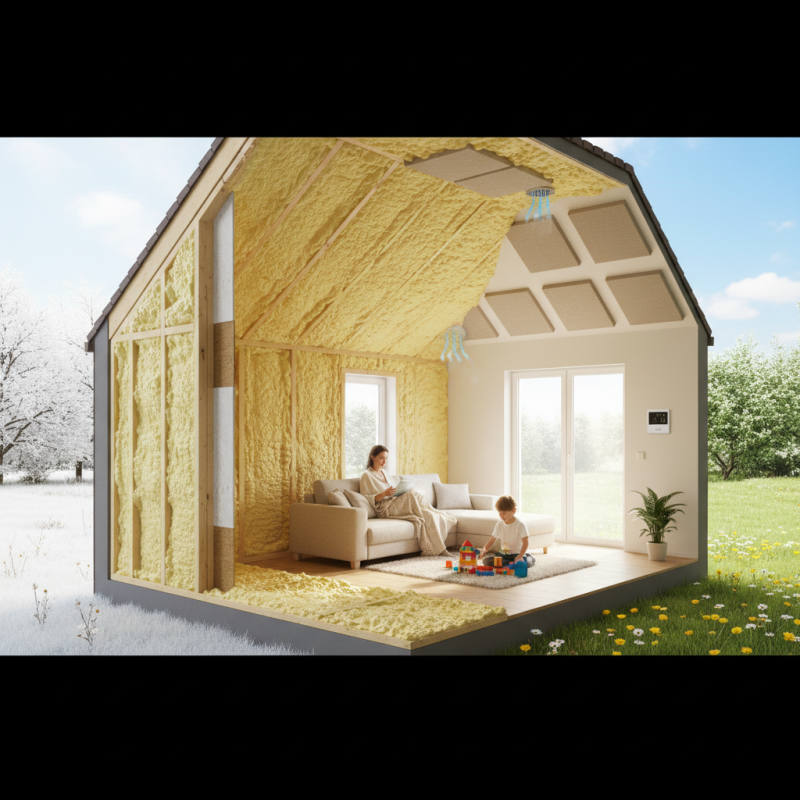
PU foam insulation plays a crucial role in sustainable building practices by significantly reducing a building's energy consumption and carbon footprint. As an effective insulator, PU foam minimizes heat transfer, ensuring that buildings maintain optimal temperatures year-round. This thermal efficiency reduces the reliance on heating and cooling systems, leading to lower energy bills and decreased greenhouse gas emissions. Furthermore, the longevity of PU foam insulation means that it does not need to be replaced frequently, reducing the demand for new materials and minimizing waste in landfills.

In addition to its energy-saving benefits, PU foam insulation contributes positively to indoor air quality. Its application helps seal gaps and cracks that could allow outdoor pollutants to enter, creating a healthier living environment. Moreover, since it can be manufactured with environmentally friendly practices and materials, PU foam can align with sustainable building standards. This is crucial in efforts to promote green building initiatives, as the use of such insulation materials supports the overall goal of reducing environmental impacts while enhancing the comfort and efficiency of homes. By choosing PU foam insulation, builders and homeowners can make informed decisions that favor both energy efficiency and sustainability.

LSP App

Download the LSP App now

Scan QR code to download the app

We use cookies to personalize content, utilize website traffic analytics & support our marketing initiatives. By continuing to browse our site you consent to receive our cookies. For more information see our Privacy Statement
Ok