Skip to main content

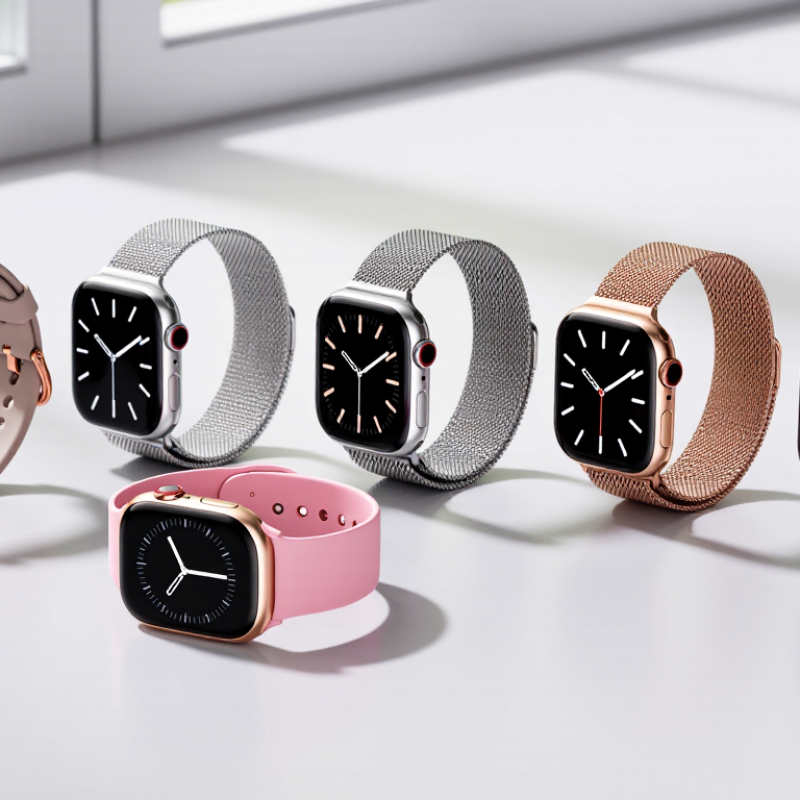
A women’s smartwatch for Android in 2026 should mean practical design, not smaller screens or decorative colors. The case should fit a narrow wrist without pressing against the wrist bone. Physical buttons also matter when fingers are wet, cold, or tired. A stable Android connection is essential for calls, notifications, maps, and emergency contacts.
IDC reported 537.9 million wearable devices shipped worldwide in 2024 showing strong demand for everyday health technology. However, Counterpoint Research reported a 7% decline in global smartwatch shipments that year. Buyers may be becoming more selective. Battery life, repair support, and accurate sensors now deserve more attention than novelty features.
A useful model should monitor heart rate, sleep, movement, and menstrual patterns without presenting wellness estimates as medical diagnoses.
Privacy is part of the definition. Data controls should be clear, reversible, and easy to find. Deloitte’s 2024 Connected Consumer Survey identified health and fitness tracking as major reasons people use connected wearables. That does not prove every reading is reliable.
My checklist is imperfect, too. I would test sleep comfort for several nights, compare step counts during ordinary errands, and inspect whether notifications remain readable under sunlight.
Safety features should work with Android phones, but users still need local emergency services and medical advice when symptoms appear.
Small details count. A watch should feel useful at 7 a.m., during a crowded commute, and after a long day.