What is 3D Wheel Alignment and Why is it Important?

3d Wheel Alignment is a crucial service for vehicle maintenance. It ensures that a car's wheels are properly aligned, enhancing performance and safety. Misalignment can lead to uneven tire wear and diminished fuel efficiency.

Drivers often overlook 3D wheel alignment, thinking it's unnecessary. However, this service extends the lifespan of tires and improves handling. It affects how a vehicle responds to steering inputs and drives straight. Ignoring this can result in costly repairs down the road.

Investing in regular alignment checks can save money and improve safety. Each car is different, and many factors can influence alignment. Poor roads, driving habits, and even weight changes can negatively impact wheel alignment. Therefore, understanding the importance of 3D wheel alignment is vital for every driver.
What is 3D Wheel Alignment and Why is it Important?

Definition of 3D Wheel Alignment and Its Key Components

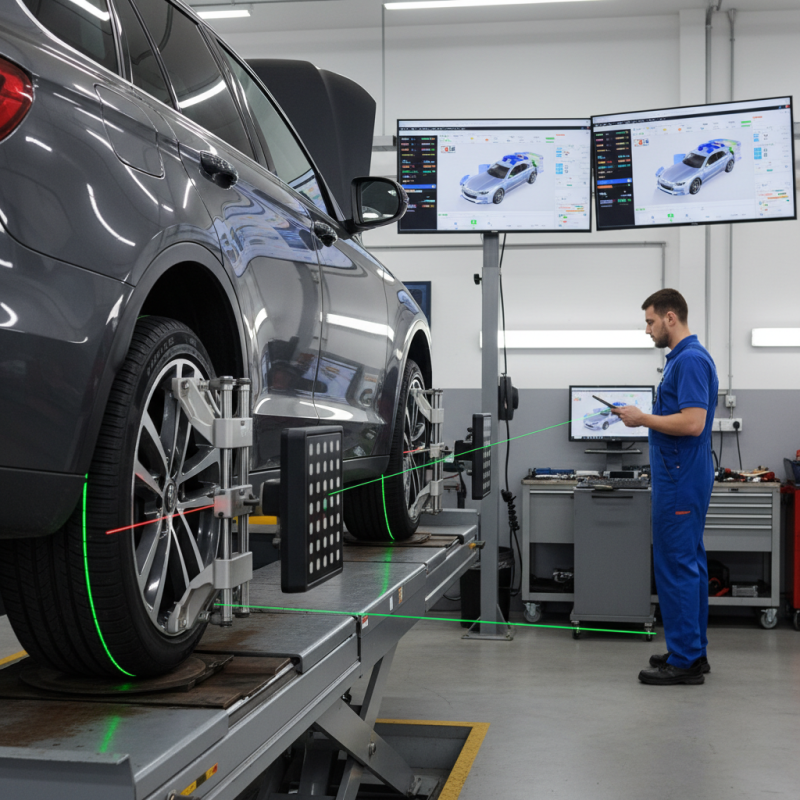
3D wheel alignment is a modern technology used in vehicle maintenance. It measures the angles of the wheels relative to the road and each other. This alignment ensures that all four wheels are parallel and perpendicular to the ground. The process utilizes advanced sensors and cameras to gather precise data. Key components include the measuring heads, computer software, and laser systems.

These measuring heads attach directly to the wheels. They capture real-time data as the vehicle sits on a specialized alignment rack. The computer then processes this data to produce detailed measurements. Proper alignment can enhance tire life and improve fuel efficiency. Misalignment often leads to uneven tire wear. It can result in poor handling or vibrations while driving.

Regular checks can help avoid these issues. While it seems straightforward, not all vehicles require the same settings. Different models may have unique specifications. This variability can make alignment tricky. Mechanics must carefully consider each vehicle's needs. It's a vital part of vehicle health, needing attention when notice issues arise.

What is 3D Wheel Alignment and Why is it Important?

Key Component Description Importance
Camber The angle of the wheel in relation to the vertical axis. Helps in reducing tire wear and improving handling.
Caster The angle of the steering axis when viewed from the side. Affects steering stability and helps the vehicle return to center after a turn.
Toe The angle of the wheels in relation to the center of the vehicle. Influences tire wear and ensures that wheels are pointed in the right direction.
3D Technology Use of advanced imaging technology to measure wheel alignment angles. Provides accurate measurements and adjustments, enhancing safety and performance.
Importance of Regular Alignment Periodic checks to ensure alignment is within specification. Extends tire life, improves fuel efficiency, and enhances driving safety.

The Technology Behind 3D Wheel Alignment Systems

3D wheel alignment utilizes advanced technology to enhance vehicle performance. This system employs multiple cameras and sensors to achieve precise measurements. According to a recent industry report, a 3D alignment system can boost accuracy by up to 90%. This level of precision ensures that vehicle wheels are correctly aligned, leading to smoother rides and increased tire longevity.

The technology behind 3D wheel alignment allows for real-time data collection. It can swiftly identify misalignment issues. The process typically involves capturing images of the vehicle’s wheels and measuring angles with high-resolution cameras. However, not all systems are created equal. Some may struggle in dim lighting or complex setups. Practitioners must ensure that the environment is optimal for technology to perform its best.

Precision in wheel alignment is vital, yet many shops lack up-to-date systems. A study found that over 30% of repair shops still rely on traditional alignment methods. This raises concerns about accuracy and service quality. Regular training on new technologies is essential. Ultimately, embracing 3D alignment can lead to significant improvements in vehicle safety and efficiency. However, the commitment to upgrade can be a challenge for some businesses.

Benefits of Accurate 3D Wheel Alignment for Vehicle Performance

Accurate 3D wheel alignment is essential for optimal vehicle performance. Misalignment can lead to uneven tire wear, reduced fuel efficiency, and compromised handling. According to industry studies, vehicles experiencing alignment issues can use up to 10% more fuel. This highlights the importance of regular alignment checks.

Proper alignment ensures that all four wheels are positioned correctly. When wheels are misaligned, driving becomes less stable. This can create dangerous situations on the road. A report from the National Highway Traffic Safety Administration emphasizes that improper wheel alignment can lead to increased stopping distances and affect vehicle control.

Tips: Regularly inspect your tire wear patterns. If you notice uneven wear, it’s time for an alignment check. Also, pay attention to your steering wheel. If it vibrates or pulls to one side, these may be signs of misalignment.

Investing in 3D wheel alignment can extend the life of your tires, saving you money over time. Data shows that proper alignment can increase tire lifespan by up to 30%. However, many drivers overlook this service, leading to greater long-term costs. Reflecting on your vehicle maintenance habits may reveal areas needing improvement for better performance and safety.

Common Symptoms of Misalignment and Their Impact on Safety

Misalignment of wheels can lead to several noticeable symptoms. You might feel your car pulling to one side while driving. This not only makes the ride uncomfortable but can also increase wear on your tires. Uneven tire wear is a common sign of misalignment. If you notice bald spots or peculiar wear patterns, it’s time to check the alignment. Ignoring these signs can lead to more significant issues down the road.


Safety is a major concern when wheels are misaligned. Poor alignment affects handling and control, especially during sharp turns. This can increase the risk of accidents, particularly in emergency situations. Additionally, misaligned wheels can strain your vehicle's suspension system. Over time, this can lead to costly repairs. Maintaining proper alignment is crucial for a safe driving experience. Don't underestimate the importance of addressing these symptoms; they can have serious implications.

Routine Maintenance: When and How Often to Perform 3D Wheel Alignment

3D wheel alignment is crucial for vehicle performance. Regular alignment helps ensure your tires wear evenly and your car handles well. So when should you perform this maintenance?

Most experts recommend checking your alignment every 6,000 miles or so. However, it’s wise to get an inspection after hitting a pothole or curb. Signs like veering to one side or uneven tire wear may indicate misalignment. Ignoring these signs can lead to costly repairs later.

Consider your driving habits as well. If you frequently navigate rough roads, you might need alignment checks more often. Scheduling routine maintenance not only enhances safety but also extends tire life. Yet many people overlook this simple task, leading to frustration and unexpected costs. So, make alignment a priority in your vehicle care routine.

LSP App

Download the LSP App now

Scan QR code to download the app

We use cookies to personalize content, utilize website traffic analytics & support our marketing initiatives. By continuing to browse our site you consent to receive our cookies. For more information see our Privacy Statement
Ok